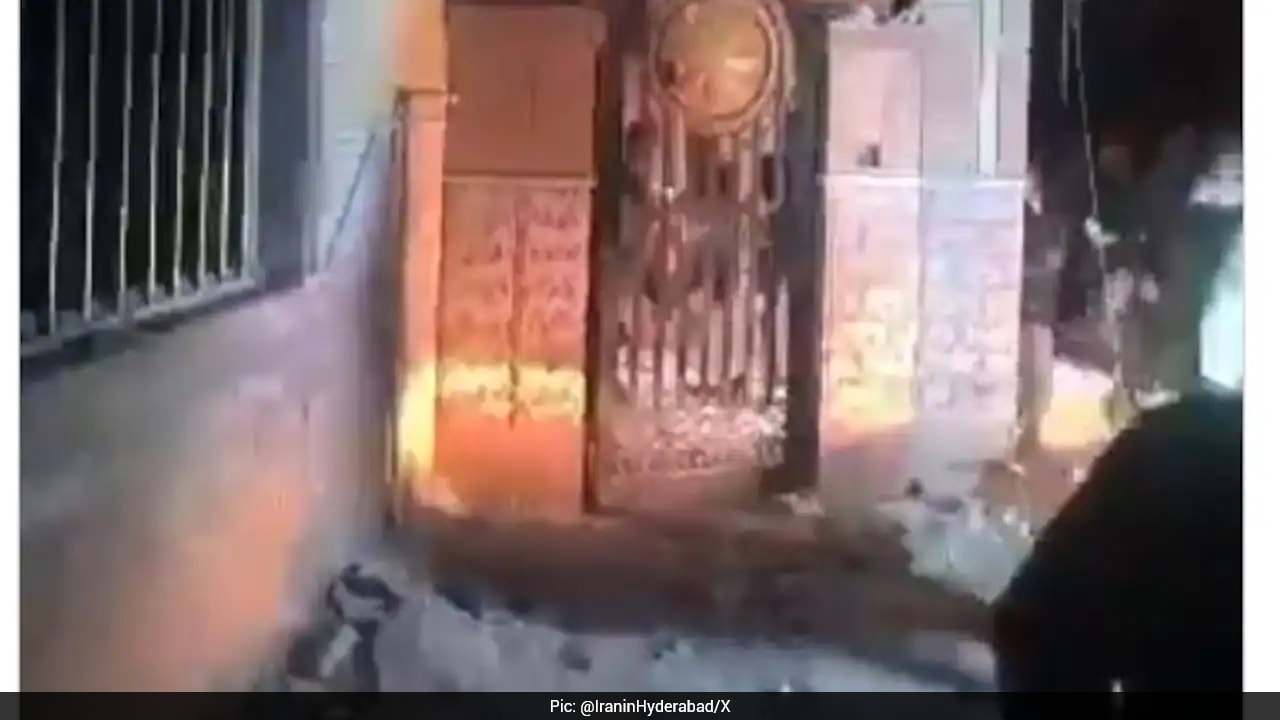
Dust settles slowly over crushed tulle and scattered strands of fairy lights. Hours earlier, the desert air outside the banquet hall hummed with the electric anticipation of a traditional Iranian wedding. Drums beat a steady, ancient rhythm. Families gathered under canopies of canvas and colored bulbs, laughing, passing plates of saffron-infused rice, and celebrating a union meant to anchor two futures.
Then came the flash.
The explosion tore through the celebration with a mechanical indifference. Four bodies now lie motionless beneath white sheets. More than fifty others wake in hospital corridors to the sterile hum of monitors, nursing burns and shrapnel wounds instead of memories of a joyous evening.
Official reports dryly categorize the event as a United States military strike targeting hostile elements. Coordinates matched a perceived threat. Intelligence summaries reduce human breathing, hoping, and dancing to a series of pixels on a drone operator's high-definition monitor miles away.
Distance distorts everything. Looking down through a camera lens from twenty thousand feet, a wedding looks suspiciously like a gathering of combatants. Tents resemble bunkers. Crowds look like troop formations. When algorithms and analysts squint through the haze of war, the line between a bride in white and a target in the crosshairs vanishes entirely.
Consider the mathematics of modern intervention. Precision munitions are marketed as clean solutions to messy geopolitical problems. Laser-guided. Heat-seeking. Smart. But the smartest missile cannot distinguish between the heavy thrum of a bass drum and the mechanical pulse of an insurgent encampment when the intelligence guiding it is flawed or rushed.
Precision is an illusion if the target is wrong.
In the aftermath, surviving relatives search through the rubble for something recognizable. A scorched wedding invitation. A pair of silver earrings. A blood-stained slipper. These fragments tell the true story of the strike, far removed from the sterile briefings delivered in distant capitals where casualties are sanitized into percentages and acceptable collateral losses.
War has always consumed the innocent. Yet, in an era of remote warfare, the mechanics of destruction have grown dangerously divorced from human empathy. The pilot feels no concussive blast. The commander smells no burning dust. The deskbound strategist signs off on a strike order, steps out for coffee, and watches the evening news report a successful neutralization of a high-value zone.
Meanwhile, in a dimly lit ward, a mother touches her bandaged child and wonders what tactical advantage was gained by destroying her family.
No policy directive or after-action review can resurrect the dead or restore the shattered laughter of that evening. Every strike carries an invisible tail of grief that ripples outward through generations, hardening hearts and breeding a profound, enduring resentment that no amount of technological superiority can ever outmaneuver.
The music stopped mid-measure. The lights went dark. And in the silence that followed, the true cost of remote certainty was written in blood upon the desert floor.


