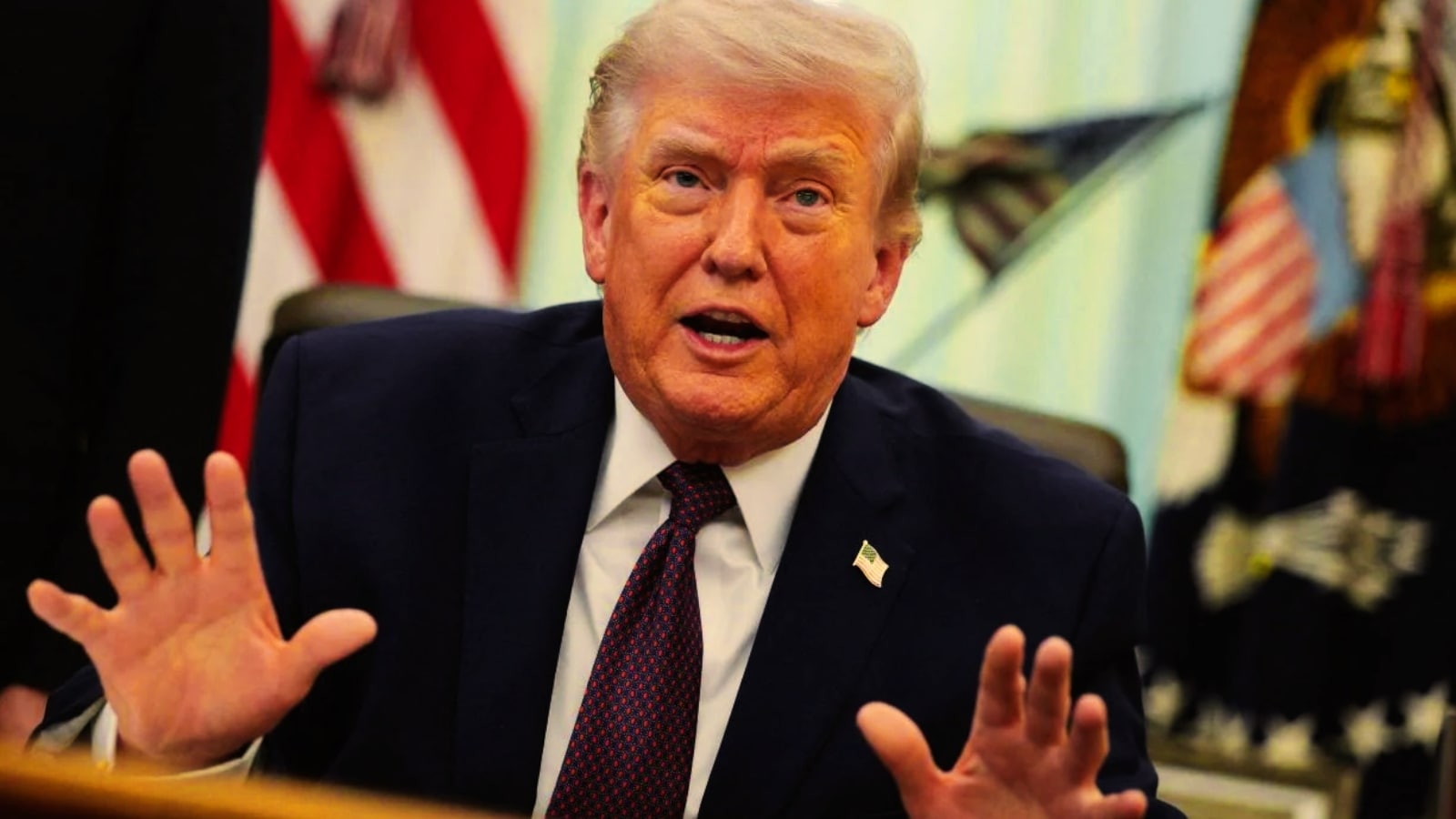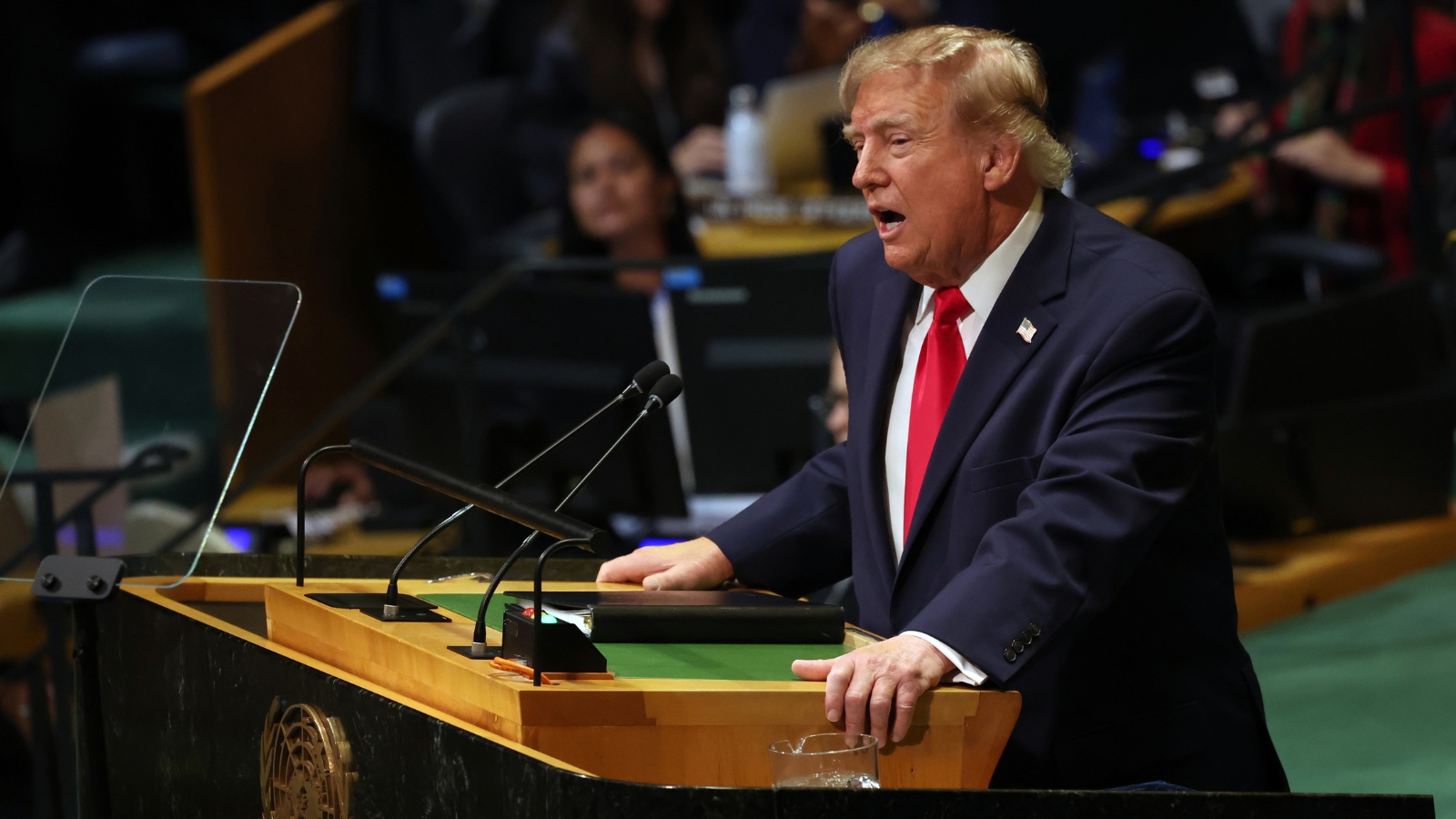
Seventeen years after the horrific rampage inside the Soldier Readiness Processing Center at Fort Hood, the military justice system is hurtling toward a historic and deeply controversial milestone. President Donald Trump formally approved the death sentence for Nidal Hasan, the former Army psychiatrist convicted of gunning down 13 people and wounding 32 others in November 2009. What makes this move extraordinary isn't just the final approval itself. It's the method. Hasan is set to face a firing squad, a method of execution the U.S. military hasn't utilized since 1945.
If you've followed military law over the last few decades, you know capital punishment inside the armed forces is practically a ghost. While civilian courts wrestle constantly with lethal injection protocols and drug shortages, the military has kept its death row inmates in a state of perpetual legal limbo. Dozens of service members sit condemned at the United States Disciplinary Barracks in Fort Leavenworth, Kansas, but executions almost never happen. The last U.S. service member executed was Army Private John Bennett in 1961, and he died by hanging. Bringing back the firing squad for Hasan shatters decades of quiet precedent and forces an uncomfortable spotlight onto how military justice operates.
The Legal and Logistical Reality Behind the Order
Following a recommendation from Defense Secretary Pete Hegseth, the path was cleared for the execution to be formally scheduled. Acting Army Secretary Adam Telle set the wheels in motion, pinpointing the execution parameters. But turning a presidential approval into an actual historical event takes an immense logistical and legal effort.
Hasan's defense team hasn't gone silent. Legal experts point out that a condemned individual still possesses avenues for federal habeas corpus review. These appeals can drag through civilian federal courts for months or years. Even with an executive green light, stopping the clock is a standard play for defense attorneys facing an active death warrant.
Beyond the courtroom battles, the logistics sparked immediate public friction. Earlier plans floated the idea of livestreaming the event to the public, a proposal that triggered immediate bipartisan backlash and swift cancellation. Trump later clarified that while the execution would proceed as planned by firing squad, it wouldn't be broadcast. Instead, immediate family members of the victims retain the option to witness it in person. Local infrastructure is bracing for the fallout, too. The Killeen Independent School District announced districtwide closures for schools and facilities on the scheduled date, citing expected community activity and massive national media influx.
Why the Firing Squad Matters Now
Lethal injection has faced mounting scrutiny nationwide because pharmaceutical companies routinely refuse to supply drugs for executions. States like Utah, South Carolina, and Mississippi have quietly updated their laws to bring back alternative methods like the firing squad or the electric chair. Applying this logic to the federal military system signals a dramatic shift in how the government plans to enforce capital punishment moving forward.
Hasan admitted during his 2013 court-martial that he carried out the attack to stop U.S. soldiers from deploying to Afghanistan. He represented himself during large portions of the trial, offering little defense and effectively welcoming a death sentence. For the survivors and the families of the 13 service members and civilians who lost their lives that day, the impending date represents a final chapter in an agonizingly long legal saga.
We are watching a rare collision of presidential authority, military regulation, and historical methods play out in real time. Whether the legal challenges succeed in staying the execution or the firing squad is ultimately assembled, this decision resets the boundaries of military capital punishment for the twenty-first century.
Trump approves firing squad execution for Fort Hood shooter Nidal Hasan
This video report breaks down the initial announcement regarding President Trump's approval of the firing squad execution for former Army Major Nidal Hasan.