Measles was supposed to be history in the United States. Public health declarations don't just happen because a few people catch a cold. When New York officials declared a state of emergency following a sharp spike in measles cases, it signaled a massive failure in our collective public health defense.
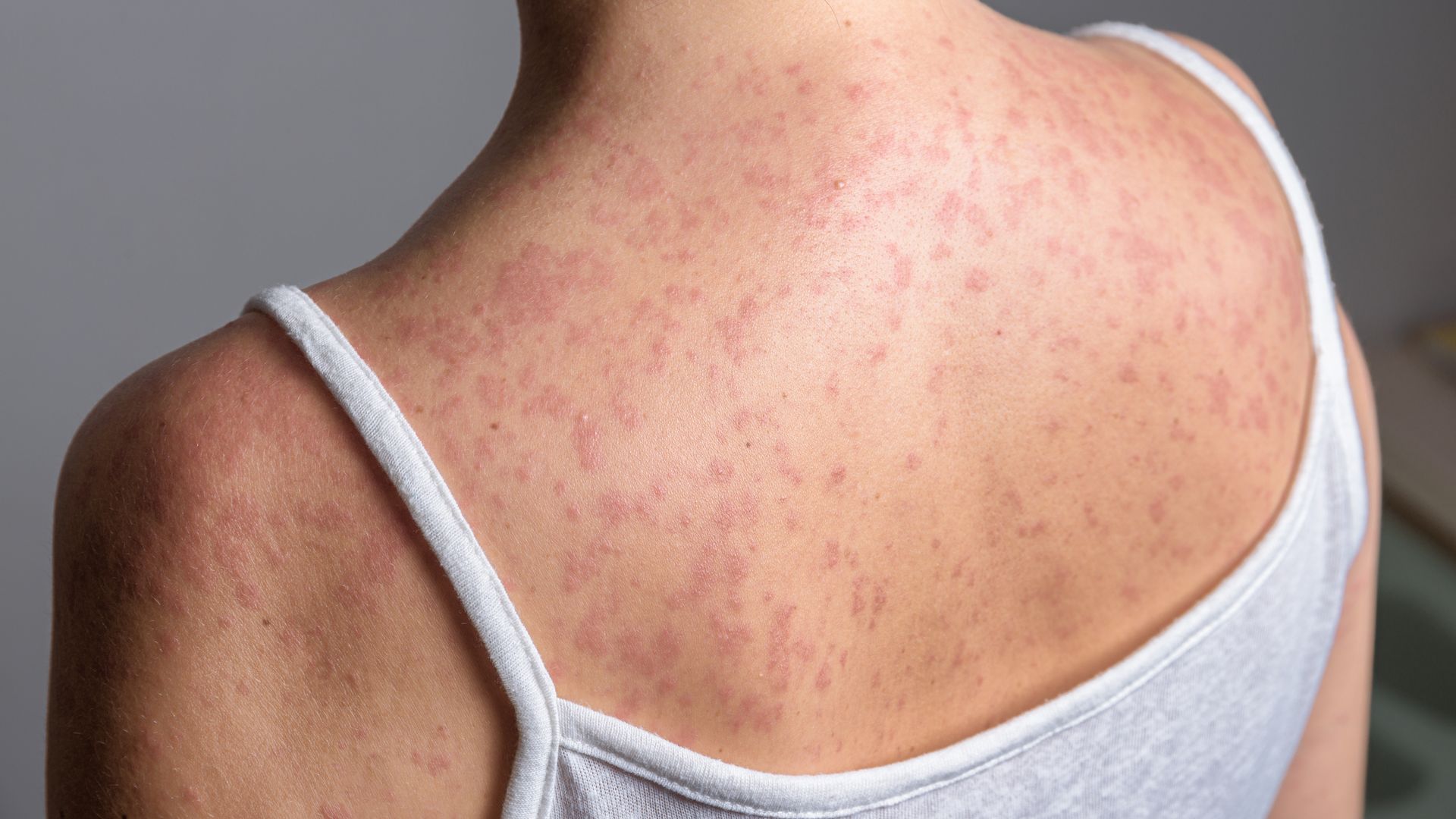
You might think measles is just a childhood rash that goes away with rest. It isn't. It is one of the most contagious viruses known to medical science, and the recent emergency measures in New York are a stark reminder of what happens when vaccination rates drop below safe thresholds.
Let's look at why this outbreak matters, how it spreads so fast, and what you need to do to protect your family right now.
The Reality Behind the New York State of Emergency
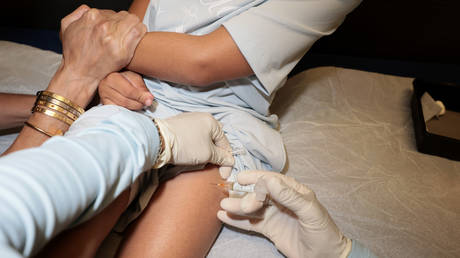
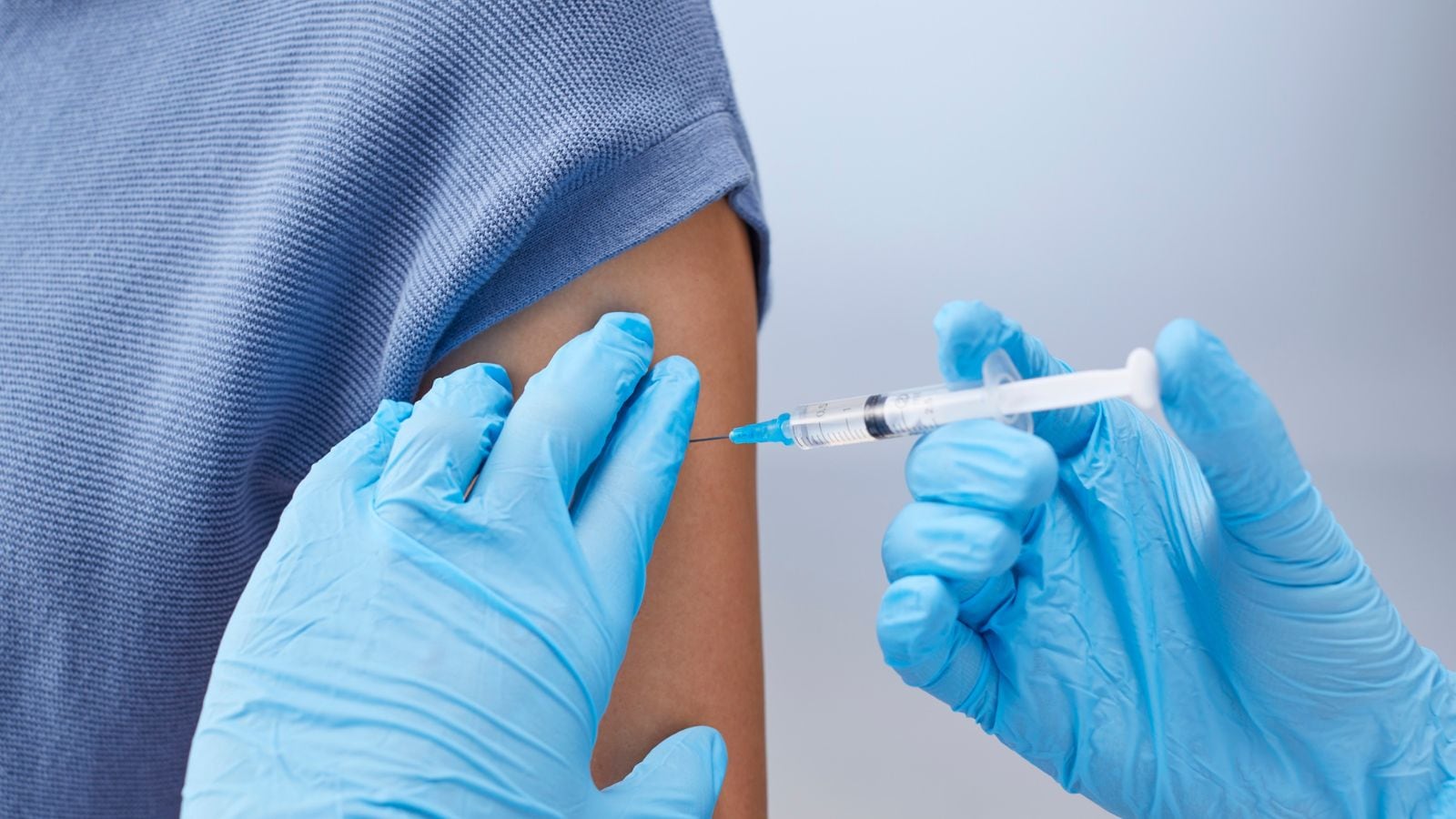
When New York implemented emergency protocols, the state faced a concerning cluster of cases spread across multiple regions, reflecting a broader national trend. The emergency order wasn't just symbolic. It expanded the pool of healthcare professionals allowed to administer vaccines—bringing in midwives, pharmacists, and paramedics—and gave nurses the authority to order testing directly.
Why take such drastic steps? Because herd immunity requires roughly 95% of a community to be vaccinated. When pockets of a community drop below that line due to vaccine hesitancy or misinformation, the virus finds an open door.
Measles doesn't care about zip codes or political opinions. It moves through the air the moment an infected person coughs or sneezes, and the virus can linger in a room for up to two hours after that person has left. If you're unvaccinated, your chance of catching it if exposed is roughly 90%.
Why People Misunderstand the Danger of Measles
A lot of modern parents didn't grow up seeing measles. Because previous generations eradicated it successfully through the MMR vaccine, people assume it's mild. That is a dangerous mistake.
About one in five people who contract measles in the United States requires hospitalization. Around one in twenty children develop pneumonia, which is the most common cause of death from the virus in young children. More terrifying is encephalitis—swelling of the brain—which happens in about one out of every thousand cases and can leave survivors with permanent brain damage or deafness.
When cases tick up and states declare emergencies, it usually serves as a warning sign. Measles acts as the canary in the coal mine for public health. When immunization rates slip for measles, they usually slip for other preventable diseases too.
How to Verify Your Immunity and Protect Your Family
You shouldn't guess about your vaccination status. If you were born before 1957, you likely caught natural measles as a child and carry permanent natural immunity. If you were born between 1957 and 1971, you might have received an older, less reliable type of killed vaccine.
Take these concrete steps today:
- Check your immunization records. Log into your state health portal or call your primary care doctor to confirm you've received the two-dose MMR series. Two doses are about 97% effective at preventing the disease.
- Talk to your pediatrician. Standard protocol dictates the first MMR shot is given between 12 and 15 months of age. However, if you are traveling internationally or living in an active outbreak zone, infants as young as six months can safely receive an early dose.
- Act fast if exposed. If you or your child are unvaccinated and come into contact with someone infected with measles, getting the MMR vaccine within 72 hours can often prevent the disease entirely. Alternatively, immune globulin can be given within six days of exposure.
Public health emergencies are meant to grab our attention, but they only work if we change our behavior. Check your records, talk to your doctor, and make sure your defenses are up before the virus reaches your neighborhood.