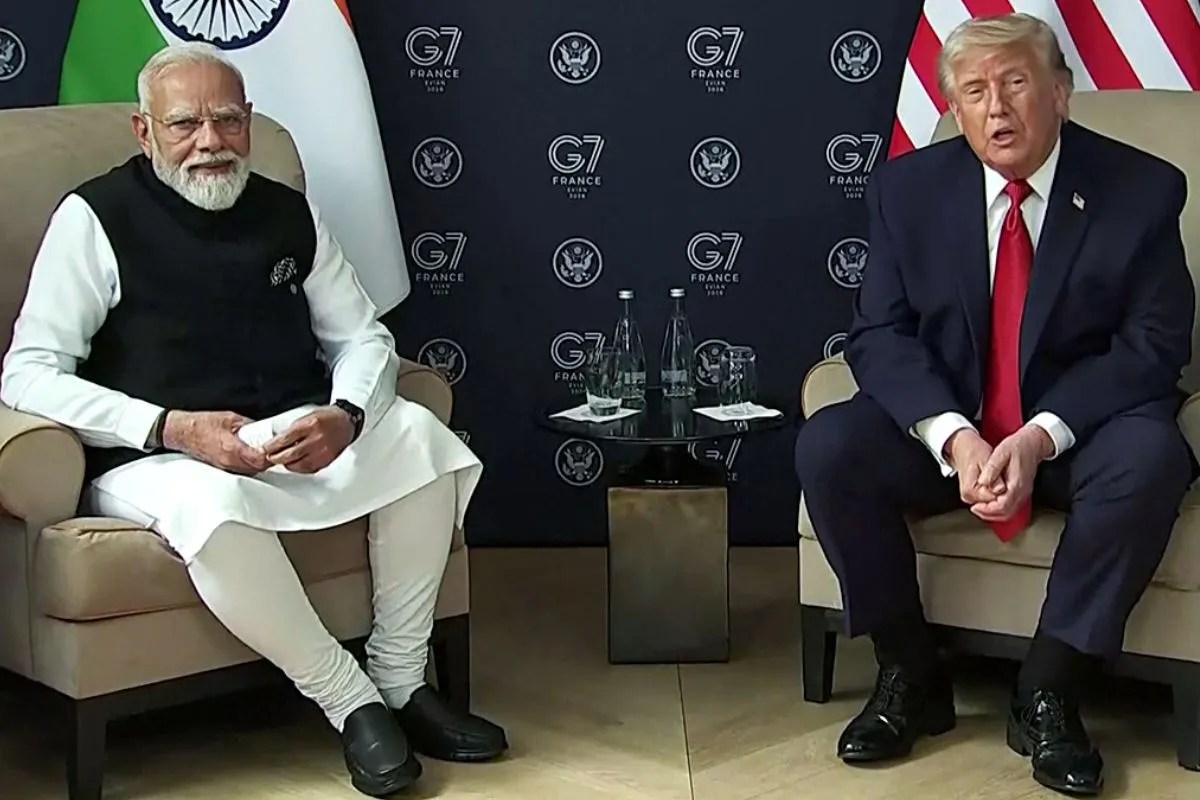
The United States Senate just passed a sweeping piece of legislation that changes the rules of engagement for global energy trade. By an overwhelming 86-11 vote, the Senate approved the newly renamed Lindsey O. Graham Sanctioning Russia and Iran Act of 2026.
At its core, this bill gives the White House the authority to slap secondary tariffs of up to 100 percent on goods coming from countries that keep buying Russian oil and gas. If you have been wondering how Washington plans to squeeze Moscow's war chest without deploying American troops, this bill is the answer. But it creates a massive headache for major economies like India and China that have built their recent energy strategies on discounted Russian crude. For a different perspective, check out: this related article.
What the Legislation Actually Does
You won't find automatic penalties in the text, but you will find a loaded gun. The legislation targets the top five global purchasers of Russian oil and natural gas. Right now, that list includes China, India, Azerbaijan, Hungary, and Slovakia.
The mechanism lets the Office of the United States Trade Representative set actual tariff rates up to that 100 percent ceiling. It's designed to force a blunt choice on capitals from New Delhi to Beijing: keep buying cheap Russian energy or maintain smooth, unhindered access to the American consumer market. Related reporting on the subject has been provided by BBC News.
Senator Richard Blumenthal, who championed the bill alongside the late Senator Lindsey Graham, didn't mince words after the vote. He called the measures sledgehammer sanctions meant to stop anyone complicit in fueling the conflict in Ukraine. Yet, the bill also leaves room for executive flexibility. President Donald Trump holds discretionary waiver authority, meaning the White House can delay, modify, or waive the tariffs entirely if officials deem it aligned with American national interests.
Why India and China Are in the Crosshairs
Ever since global energy markets fractured in 2022, Indian and Chinese refiners have snapped up discounted Russian crude. For India, importing millions of barrels of cheap oil wasn't just about corporate profit margins; it was a core strategy to insulate domestic consumers from wild price spikes and secure national energy independence.
Washington sees it differently. US lawmakers argue that these purchases act as a financial lifeline for Moscow, keeping ruble revenues stable despite heavy Western restrictions. India has pushed back against similar pressure before, maintaining that its independent trade policy is dictated strictly by economic necessity and energy security rather than geopolitics.
Adding to the complexity, the bill carves out exemptions for several European nations. Countries that import minor fractions of Russian natural gas and actively scale down those dependencies are spared. That disparity hasn't gone unnoticed by critics, who point out that applying strict secondary tariffs to Asian buyers while shielding European partners creates a glaring double standard in global trade enforcement.
The Domestic Political Fault Lines in Washington
Not everyone on Capitol Hill thinks this strategy makes sense. A handful of lawmakers voted against the package, warning that it hands the executive branch dangerous economic weapons.
Democratic Representatives Gregory Meeks and Don Beyer cautioned that the legislation provides sweeping new tariff powers that could be weaponized haphazardly. On the other side of the aisle, Senator Rand Paul argued that threatening long-standing strategic partners like India with prohibitive tariffs is like shooting ourselves in the foot. It risks alienating key allies in the Indo-Pacific without actually forcing Moscow to alter its battlefield calculations.
Even with these objections, the bipartisan momentum was unstoppable, fueled largely by a desire to honor Senator Lindsey Graham's legacy following his sudden death.
What Happens Next for Global Trade
The bill now heads over to the House of Representatives, which is scheduled to take up the measure when it reconvenes. Given the heavy bipartisan backing in the Senate and indication of support from the White House, the legislation stands a strong chance of clearing Congress and landing on the president's desk for a signature.
For businesses and trade negotiators, the next few weeks require close monitoring of the text and executive signals. If enacted, the real test will be whether the administration chooses to deploy the full 100 percent tariff lever or uses the statute primarily as diplomatic leverage during broader bilateral trade talks. Supply chains tied to Asian manufacturing and exports should prepare for heightened volatility as Washington tests the limits of secondary economic sanctions.