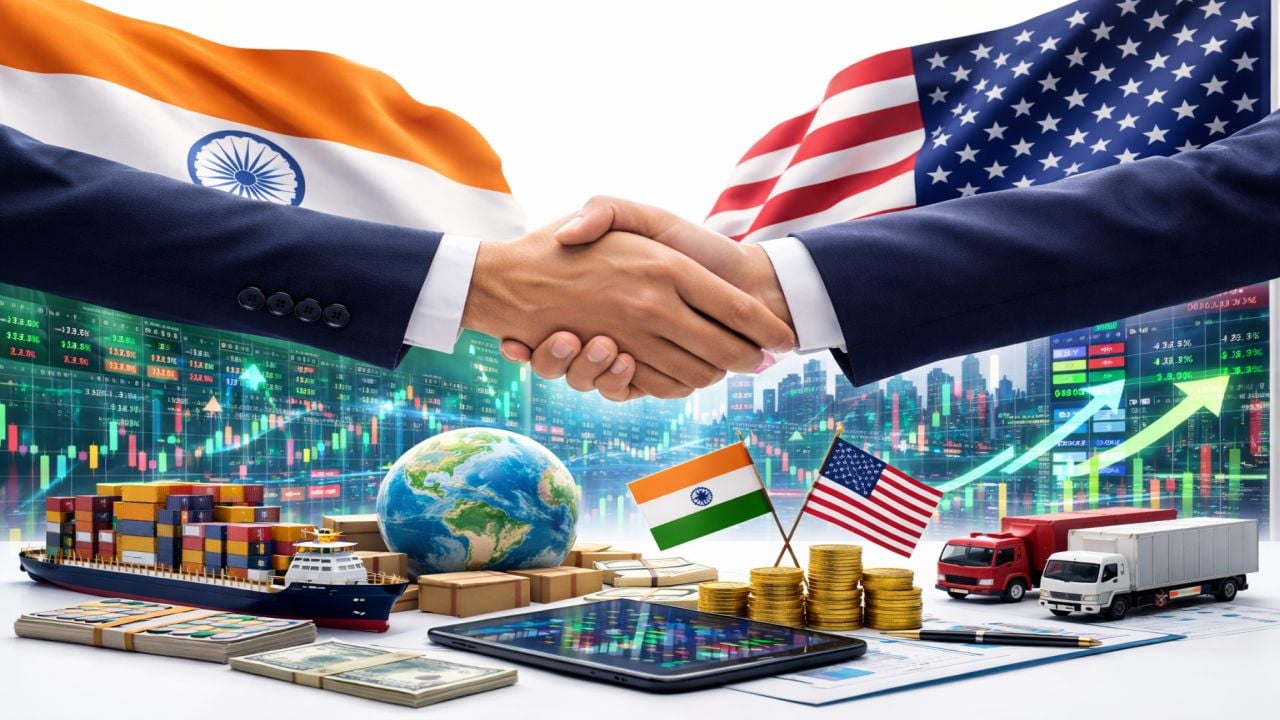
The global trade game just got completely upended, and honestly, most businesses aren't ready for the fallout.
On June 2, 2026, the Office of the United States Trade Representative (USTR) dropped a bombshell announcement. Following a massive sweep of 60 separate Section 301 investigations launched earlier this year, the US government is proposing heavy new tariffs on dozens of its closest trading partners. The reason? A systemic failure by these nations to block goods made with forced labor from entering the global marketplace.
If you think this is just another minor political spat or a rehash of old trade policies, you're missing the bigger picture. This isn't just about targeting a single region or one specific adversary anymore. The US is fundamentally changing the rules of engagement for international commerce, holding its own allies accountable for what happens deep within their supply chains.
Here is exactly what's happening, why the White House is taking this aggressive stance, and what it actually means for your bottom line.
The Reality of the New Tariff Rollout
Let's look at the actual numbers. The USTR report splits 60 investigated economies into two distinct buckets based on how badly they failed to enforce forced labor import bans.
For 54 economies that failed to impose or effectively enforce a forced labor import prohibition, the US plans to slap an additional 12.5% tariff on their goods. This group includes heavy hitters like China, India, Japan, South Korea, Brazil, and even the United Kingdom.
A smaller group of six economies—Canada, Mexico, Ecuador, the European Union, Indonesia, and Pakistan—were hit with a slightly lower, but still painful, 10% additional tariff. The USTR claims these regions have laws on the books but simply aren't doing enough to police their own borders against illicit goods.
Why the sudden escalation? This aggressive strategy allows the administration to sidestep recent legal roadblocks. Back in February 2026, the US Supreme Court struck down sweeping tariffs that had been imposed under the International Emergency Economic Powers Act (IEEPA), ruling that the executive branch had overstepped its bounds. By pivoting to Section 301 of the Trade Act of 1974, U.S. Trade Representative Jamieson Greer is using a completely different, highly resilient legal framework to achieve the same protectionist goals.
Why Allies Like India and Europe Are Caught in the Crosshairs
It's easy to see why China is on the list. The US has long targeted Chinese supply chains, particularly regarding cotton and polysilicon production in the Xinjiang region. But why are close trading partners like India, Vietnam, and the EU getting hammered by these new penalties?
It all comes down to input contamination.
The USTR probe focused heavily on transshipment and minor processing. The US government is no longer just looking at where a final product is assembled; they are tracking where the raw materials came from.
Take solar panels as a prime example. India and Vietnam have built massive solar manufacturing hubs, exporting billions of dollars' worth of cells and modules to the US. However, those factories frequently rely on imported polysilicon or wafer components sourced directly from Chinese supply chains that use forced labor.
"The failure of our most important trading partners to address the importation of goods made with forced labor is unacceptable," USTR Ambassador Jamieson Greer stated. "This creates a dynamic where American workers are forced to compete globally on an unlevel playing field."
From the perspective of Washington, if a country imports tainted materials, processes them slightly, and ships the finished good to American shores, that country is actively subsidizing human rights abuses and undercutting US manufacturing.
Unsurprisingly, global pushback was immediate. EU trade spokesman Olof Gill fired back, calling the tariffs completely unjustified and pointing out that Brussels already has some of the world's most ambitious due diligence laws. But the US isn't backing down. Washington expects its partners to enforce strict import bans, not just draft corporate transparency guidelines.
Sifting Through the Exceptions
The USTR isn't trying to cause total economic chaos, so they've built a few safety valves into the proposal to prevent immediate hyperinflation on everyday consumer essentials.
Certain commodities are getting a pass for now. You won't see these new Section 301 tariffs applied to imported beef, coffee, bananas, tomatoes, or specific fruits and nuts. Furthermore, goods coming out of Canada and Mexico that fully comply with the United States-Mexico-Canada Agreement (USMCA) rules of origin will remain exempt, alongside a tightly managed volume of textiles and apparel from selected economies.
For everything else, the clock is ticking. The public has until July 6, 2026, to submit written comments on the proposal, and formal public hearings are scheduled to kick off on July 7, 2026. Once that review period wraps up, these duties could go live remarkably fast.
What Businesses Need to Do Right Now
If your business relies on international suppliers, sitting on your hands and hoping this blows over is a recipe for disaster. You need to treat this as an active operational risk.
First, stop relying on basic supplier certificates. If your vendor in India or Taiwan signs a piece of paper claiming their supply chain is clean, that won't hold up under US Customs and Border Protection (CBP) scrutiny. The US government has heavily invested in technology, building advanced isotopic testing labs in major ports like New York, Los Angeles, and Savannah to verify the geographic origin of raw materials down to the molecular level. You need to map your supply chain all the way back to the raw material stage.
Second, audit your exposure to high-risk sectors. If you deal in electronics, solar components, automotive parts, luxury vinyl flooring, or textiles, your shipments are already prime targets for detention. Figure out exactly what percentage of your components originate from the 60 blacklisted economies.
Finally, prepare your pricing models for a sudden 10% to 12.5% cost spike. Diversify your sourcing immediately. Look for alternative suppliers in countries that already have watertight, strictly enforced forced labor import prohibitions that mirror US standards. The era of turning a blind eye to tier-two and tier-three suppliers is officially over.