Geopolitics used to look simple. You had clear blocs, predictable trade routes, and transactional alliances. That world is gone. The real action now happens through fast-moving, bilateral coalitions designed to secure supply chains before the next global crisis hits.
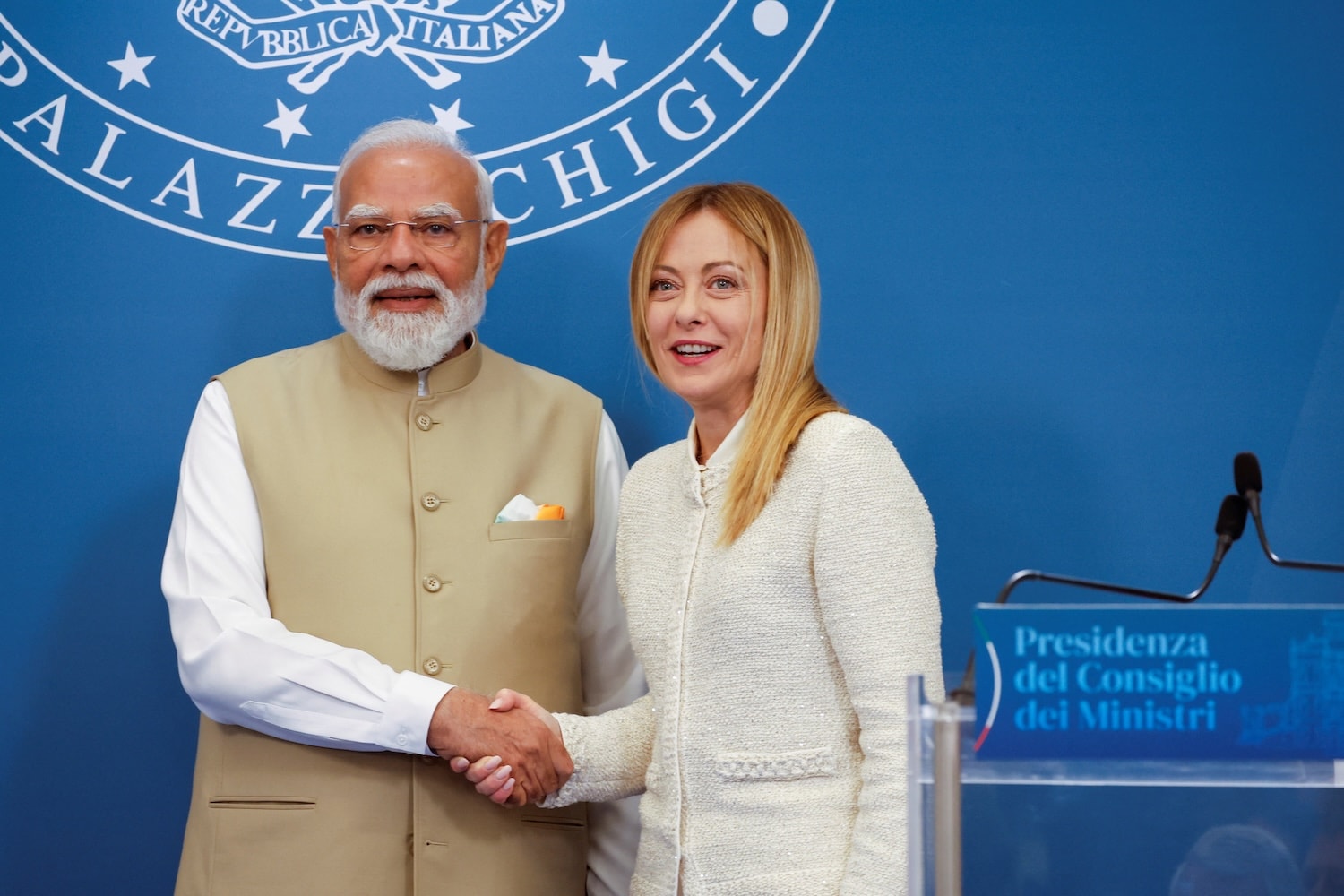
The meeting in Rome between Indian Prime Minister Narendra Modi and Italian Prime Minister Giorgia Meloni proved that point. By upgrading their relationship to a Special Strategic Partnership, New Delhi and Rome just rewrote their economic script.
If you think this is just another diplomatic photo-op filled with empty promises, you're missing the bigger picture. This meeting resulted in a concrete plan to push annual bilateral trade to €20 billion by 2029, up from the current €14 billion. Even more significant is the final burial of a decade-long defense dispute, replaced by a sweeping co-production agreement.
This shift matters for global supply chains, defense manufacturing, and technology investments over the next three years.
Moving From Bad Blood to Billions in Defense
You can't understand where India and Italy are going without looking at where they started. For years, defense ties were frozen. The 2012 Enrica Lexie incident—where two Italian marines shot Indian fishermen off the coast of Kerala—created a massive diplomatic rift. Worse for business, corruption allegations surrounding the AgustaWestland chopper deal led New Delhi to blacklist Italian defense firms.
That blacklist starved Italian companies of the world's largest arms import market and cut India off from high-end European naval and aerospace engineering.
The newly signed Defence Industrial Roadmap changes everything. It doesn't just allow Italy back into the market; it changes the rules of engagement. Modi summarized the new approach as "Design and Develop in India and Italy, and Deliver for the World."
This strategy shifts the relationship from a simple buyer-seller arrangement to actual co-production. Take a look at the specific areas targeted for immediate joint development:
- Aerospace and Helicopters: Building on a recent deal between Adani Defence and Leonardo S.p.A, the countries are setting up an integrated helicopter ecosystem in India. This includes domestic assembly, pilot training, and maintenance facilities for AW169M and AW109 TrekkerM helicopters.
- Naval Platforms and Armaments: Both nations are maritime powers with significant coastlines. They are pooling resources to design next-generation warships and marine weapon systems.
- Electronic Warfare: Jointly engineering defense systems capable of handling modern, digitized battlefield threats.
This is a pragmatic move for both sides. India needs to reduce its reliance on Russian military hardware quickly. Italy wants to capture market share in the Indo-Pacific. By focusing on joint intellectual property, both countries protect themselves from future supply shocks.
The Push for €20 Billion and the Western Anchor of IMEC
Setting a €20 billion trade target by 2029 sounds ambitious, but it's grounded in real economics. Italy is currently India’s fourth-largest trading partner inside the European Union. To bridge the remaining €6 billion gap, the strategy relies heavily on the momentum of the India-EU Free Trade Agreement, which recently cleared major negotiation hurdles.
But the real economic play isn't just about cutting tariffs on textiles or machinery. It’s about infrastructure.
Meloni has positioned Italy as the western anchor of the India-Middle East-Europe Economic Corridor (IMEC). With current geopolitical tensions threatening traditional maritime routes like the Red Sea and the Strait of Hormuz, alternative trade routes are urgent priorities.
To turn this corridor from a map proposal into actual infrastructure, the two leaders signed a maritime transport and ports pact. They established a joint working group tasked with modernizing ports, upgrading container logistics, and establishing a virtual trade corridor.
Think of Italy and India as two massive logistical piers jutting out into critical waters—Italy into the Mediterranean, India into the Indian Ocean. Connecting them directly makes economic sense.
Tech Integration and the Battle for Critical Minerals
Beyond heavy machinery and warships, the newest part of this alliance focuses on technology and raw materials. Vague statements about digital cooperation are common, but this agreement included specific, actionable initiatives:
The Critical Minerals Pact
You can't build electric vehicles, advanced electronics, or defense systems without critical minerals. India and Italy signed a memorandum to secure these supply chains. Crucially, the agreement focuses on recycling e-waste and mine tailings to extract these rare materials from unconventional sources. This bypasses the need to rely entirely on standard mining monopolies.
INNOVIT India
The leaders launched a dedicated innovation hub connecting startups, venture funds, and research labs. The hub focuses on five key sectors:
- Fintech and digital payment integration.
- Agritech and sustainable food supply chains.
- Quantum computing and supercomputing hardware.
- Healthcare tech and pharmaceutical manufacturing.
- AI applications designed for deployment in third-world markets.
The approach to Artificial Intelligence here is distinctly European and Indian: a "human-centric, secure, and trustworthy" framework. They aren't trying to copy Silicon Valley. Instead, they are focusing on enterprise-grade, secure AI that complies with strict data sovereignty laws.
What Businesses and Investors Need to Do Next
This isn't a treaty that sits on a shelf for a decade. The Joint Strategic Action Plan (2025-2029) is already moving, and companies need to adapt to these shifting corridors.
If you run an aerospace, defense components, or maritime logistics business, look for Italian or Indian counterparts for joint ventures. The regulatory hurdles for co-development are dropping fast, and government procurement will favor these joint entities.
For tech startups and researchers, use the newly minted INNOVIT hub. Funding and fast-tracked talent mobility pathways are being set up right now to help researchers move between Italian universities and Indian tech hubs.
Keep an eye on the upcoming IMEC ministerial meeting later this year. The infrastructure contracts awarded there for port modernization and digital freight tracking will signal exactly where the next decade's trade wealth will flow. Get ahead of those supply line changes now.