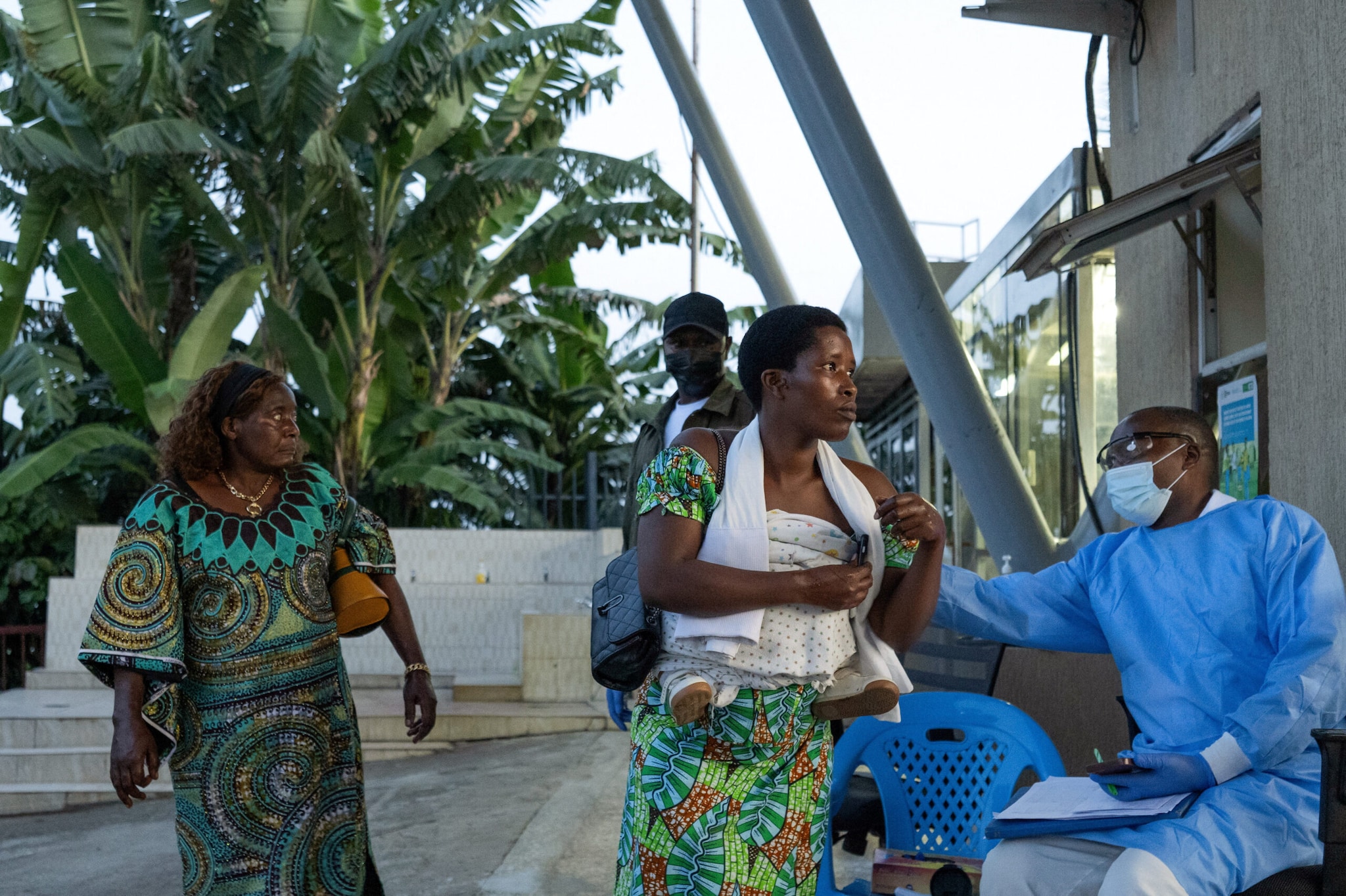
The World Health Organization just dropped a heavy hammer. It declared the new Ebola outbreak in the Democratic Republic of Congo a public health emergency of international concern. If you feel like you've read this headline before, you're only half right.
This isn't just another routine flare-up in a region historically plagued by the virus.
The numbers coming out of the Congo health ministry are jarring. We're looking at 131 deaths and 513 suspected cases in eastern Congo. Just a day prior, the official count sat around 300 suspected cases. The jump is massive, fast, and terrifying. But the real panic among global health experts isn't just about the raw speed of transmission. It's about a critical biological curveball that caught everyone flat-footed.
The Bundibugyo Strain Identity Crisis
For weeks, the virus spread silently through communities in Ituri and North Kivu provinces. Why didn't anyone sound the alarm sooner? Because health workers were actively testing for the Zaire strain—the most common culprit behind major outbreaks.
Every single test came back negative.
By the time genomic sequencing revealed the truth, the virus had a massive head start. This outbreak is driven by the Bundibugyo virus. It's an incredibly rare variant of Ebola, and this marks only the third time it has ever been detected.
Here is the kicker that most mainstream news reports gloss over: we have absolutely zero approved vaccines or therapeutics for the Bundibugyo strain.
The highly effective Ervebo vaccine, which saved countless lives during the 2018–2020 Kivu epidemic, is completely useless here. It targets the Zaire strain exclusively. Dr. Anne Ancia, leading the WHO team on the ground in Congo, mentioned they're looking into whether Ervebo could offer any cross-protection, or if other experimental options can be deployed. Even if they greenlight an experimental batch, it'll take at least two months to get doses onto the ground. Two months is an eternity when an epidemic is accelerating at this pace.
Why Geography and Conflict are Amplifying the Risk
If this virus stayed isolated in a remote jungle village, containment would be a straightforward, albeit difficult, logistical challenge. It didn't.
The virus has already infiltrated major urban hubs and high-risk zones:
- Bunia: The capital of Ituri province.
- Goma: A heavily populated provincial capital currently controlled by the Rwanda-backed M23 militia.
- Butembo and Mongbwalu: Dense commercial centers with over a million combined residents.
Ituri is a massive gold-mining hub. Thousands of miners, traders, and laborers move across provincial lines and cross the border into Uganda every single day. Uganda has already reported its first casualty—a traveler who crossed over from Congo before succumbing to the disease.
Furthermore, you can't fight a virus effectively in a war zone. Eastern Congo is fractured by rebel violence. Deploying rapid response teams, setting up isolation tents, and conducting contact tracing becomes infinitely more complicated when health workers face the literal threat of gunfire. We saw this during the Kivu epidemic years ago, where community mistrust and armed conflict dragged the outbreak out for nearly two years. History is repeating itself, but with a deadlier lack of tools.
The Tragic Reality for Healthcare Workers
WHO Director-General Tedros Adhanom Ghebreyesus openly shared his deep concerns regarding the scale and speed of this epidemic. One of his primary red flags? The deaths of local healthcare workers.
When doctors and nurses start dying, it means two things. First, basic infection prevention and control measures in local clinics have broken down, likely because workers didn't know they were dealing with Ebola during those early, misdiagnosed weeks. Second, it terrifies the community, driving sick people away from hospitals and deeper into hiding, which only accelerates community transmission through unsafe traditional burials.
Congo's Health Minister, Samuel Roger Kamba, rightly pointed out that the 131 deaths are still categorized as "suspected." Intensive investigations are underway to verify each case. But frankly, waiting for perfect data right now is a luxury we don't have. The slow burn of the initial weeks means patient zero remains completely unidentified. The virus is moving faster than the paperwork.
What Needs to Happen Right Now
International agencies are scrambling to stack medical supplies in regional warehouses, but shipping gear isn't enough. Controlling a rare strain outbreak under these conditions requires immediate, targeted shifts in strategy.
Ditch the Standard Diagnostic Playbook
Regional field clinics must be supplied with multiplex PCR testing kits capable of identifying the Bundibugyo strain on the first pass. Testing only for the Zaire strain by default is a mistake we can't afford to repeat.
Secure Humanitarian Corridors
Diplomatic pressure must be applied to militia groups, particularly the M23 in Goma, to allow unhindered access for medical teams. If containment fails in Goma, the regional economic fallout and human cost will be catastrophic.
Fast-Track Emergency Clinical Trials
Since no approved therapeutics exist, the WHO emergency committee meeting must immediately establish protocols for the compassionate use of experimental antivirals. We cannot afford a two-month administrative delay for tools that could save lives today.