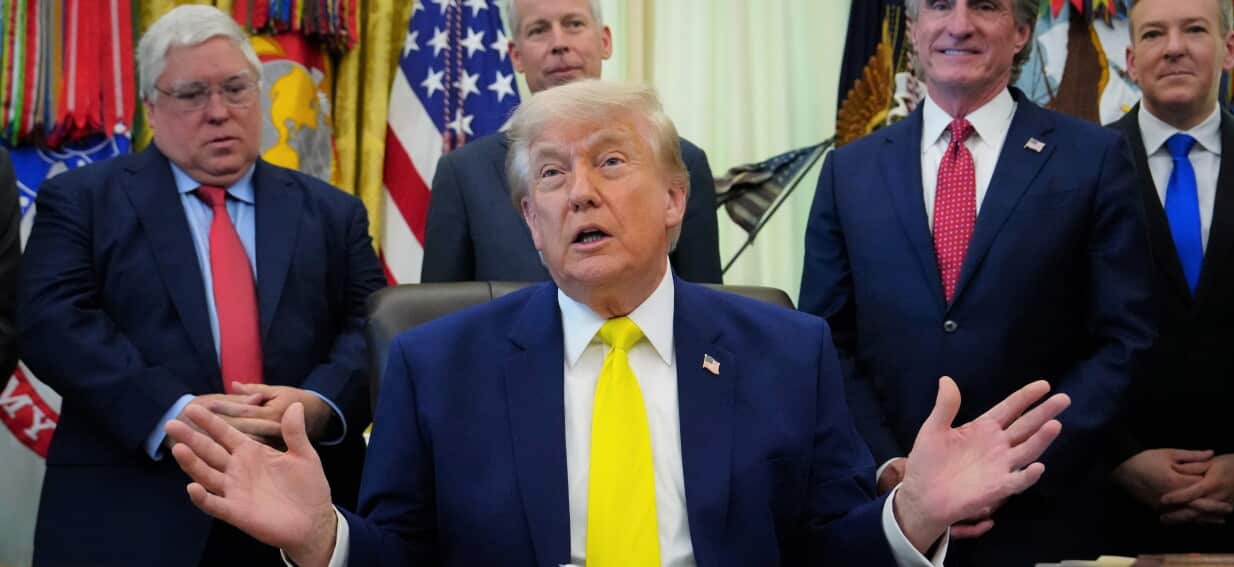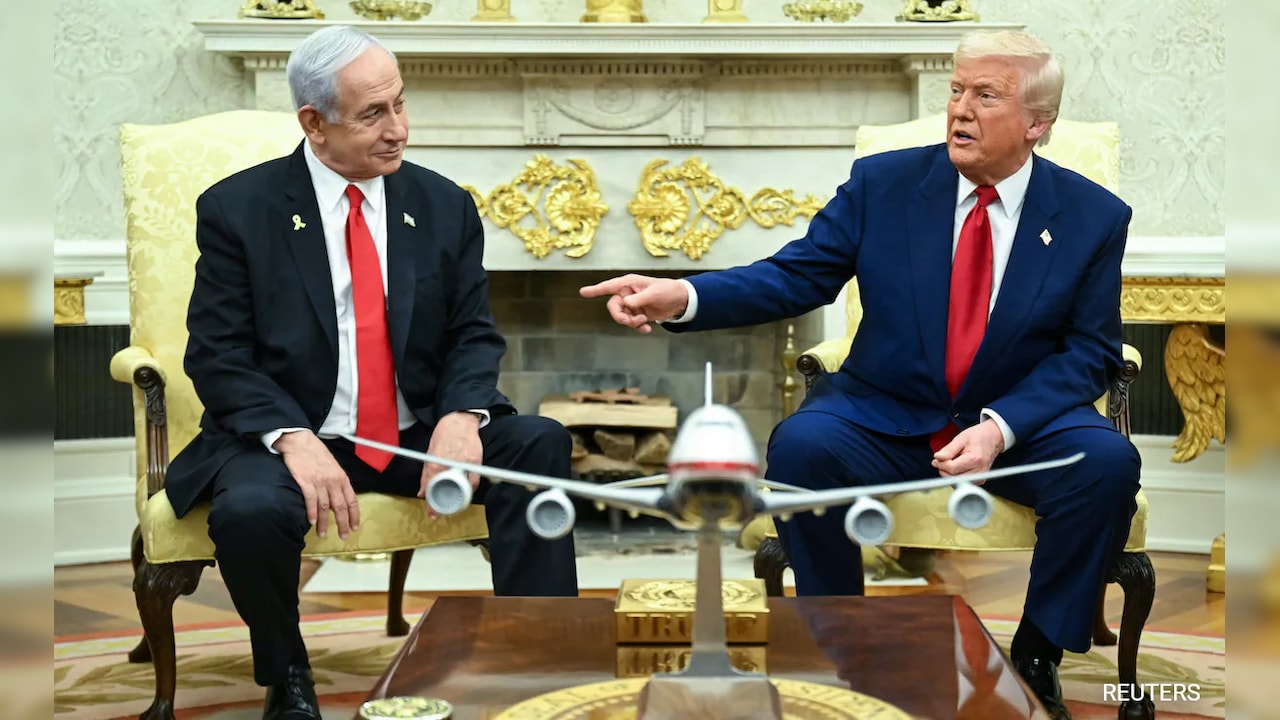
Donald Trump called Benjamin Netanyahu "fucking crazy" during a tense, closed-door phone call. Then, he went on a podcast and proudly admitted it to the world.
If this happened between any other two world leaders, it would signal a catastrophic diplomatic rupture. But between Trump and Netanyahu, it's just another Tuesday.
The high-stakes call, which took place on Monday, leaked via Axios and sent shockwaves through political circles. According to reports, Trump lost his temper over Israel's military escalations in Lebanon, yelling at the Israeli Prime Minister and even claiming that Netanyahu would be in prison if not for him.
On Wednesday, Trump confirmed the expletive-laden rant during an interview on the "Pod Force One" podcast with Miranda Devine. He didn't back down. "I did," Trump said when asked about the comments. He explained he was "perturbed" by the ongoing fighting with Hezbollah, which he believes is actively sabotaging U.S.-led peace talks with Iran.
Netanyahu, seasoned in the art of political survival and managing volatile American presidents, chose to brush the whole thing off. Appearing on CNBC shortly after Trump's podcast aired, the Israeli leader smiled and downplayed the friction.
"We have common goals," Netanyahu said. "Sometimes we have, as in the best of families, you have these tactical disagreements."
It's a masterclass in diplomatic damage control, but it exposes a much deeper, messier reality about the current state of U.S.-Israel relations. This isn't a standard alliance anymore. It's a highly transactional, public soap opera where regional warfare and personal survival strategies are deeply intertwined.
The Lebanon Friction and Shattered Ceasefires
To understand why Trump snapped, look at the timeline of the last week. The regional war is in its fourth month, and the Biden-era leftovers of diplomacy have completely given way to Trump's direct, chaotic intervention style.
Just days ago, a fragile U.S.-brokered agreement dictated that Israel would hold off on striking Beirut’s southern suburbs, while Hezbollah would halt its rocket barrages into northern Israel. This agreement came immediately after Netanyahu threatened massive, sweeping bombardments across the Lebanese capital.
Netanyahu then traveled to the northern border, telling IDF troops to "keep striking Hezbollah relentlessly" until the mission is complete. To the White House, this looked like an intentional disruption. Trump is currently pushing for a broader grand bargain in the Middle East, aiming to resolve the Iran conflict quickly. He even noted that the Strait of Hormuz could remain blocked through Labor Day if things aren't settled.
Iran's new Supreme Leader, Mojtaba Khamenei, is reportedly engaging in these back-and-forth peace talks despite dealing with injuries from a previous airstrike. From Trump’s perspective, Netanyahu’s hardline push into Lebanon is a direct threat to a legacy-defining regional peace deal.
The friction became physical reality on Wednesday when Kuwait’s main airport passenger terminal was struck by Iranian drones, killing one person and wounding dozens. As the regional tit-for-tat escalates, Trump’s patience has entirely evaporated. He wants the optics of a deal; Netanyahu wants the reality of total military deterrence.
How Netanyahu Uses the Family Excuse to Survive
Calling a brutal, profanity-laced berating a "tactical disagreement among family" is classic Netanyahu. It is a rhetorical shield he has used for decades to maintain his standing at home while absorbing blows from Washington.
Israeli commentators aren't buying the cozy family narrative. Prominent Maariv columnist Ben Caspit argued that Israeli foreign policy is now effectively dictated by Trump's social media whims. The domestic opposition is hammering Netanyahu, painting him as too weak to stand up to Washington's immense pressure.
Critics point out a glaring pattern. Trump has essentially forced Israel into three separate ceasefires that Jerusalem explicitly opposed: first in Gaza, then in Iran, and now the fragile pause in Lebanon.
For Netanyahu, the stakes are existential. His political coalition relies heavily on far-right ministers who demand absolute military victory and view any concession to Washington as a betrayal. Yet, Netanyahu knows he cannot afford a genuine break with the United States, Israel's ultimate source of weapons, funding, and diplomatic cover.
By framing Trump's outburst as a domestic squabble between brothers or a father and son, Netanyahu signals to his right-wing base that the relationship is secure enough to handle the tension, while signaling to Washington that Israel remains a loyal partner. It’s a delicate, dangerous tightrope act.
The Prison Comment and the Ultimate Transactional Alliance
The most cutting part of Trump’s leaked remarks wasn't the profanity. It was the blunt reminder: "You’d be in prison if not for me."
This hits Netanyahu exactly where it hurts, referencing his years-long, ongoing domestic legal battles and corruption trials. It also lays bare the purely transactional nature of the Trump-Netanyahu relationship. Trump views his past political gifts to Israel—moving the U.S. Embassy to Jerusalem, recognizing sovereignty over the Golan Heights, and engineering the Abraham Accords—as personal favors to Netanyahu that require lifelong loyalty and obedience in return.
When Netanyahu congratulated Joe Biden on his 2020 election victory, Trump felt personally slighted, famously saying "fuck him" in interviews with journalist Barak Ravid. They managed to patch things over for a time, especially when coordinating the initial military strikes against Iran three months ago. They shared a common goal: degrading the Islamic Regime's nuclear ambitions.
But goals change. Trump is now focused on the ultimate exit strategy and a historic diplomatic signing ceremony. Netanyahu is focused on his own political longevity and erasing the security failures of the past years.
Where the U.S. and Israel Relationship Goes Next
Don't expect a formal break in ties. Netanyahu's prediction that they will find a way to work it out by the afternoon is historically accurate. The institutional, military, and intelligence sharing between the U.S. and Israel runs too deep for a single phone call to derail.
However, the days of seamless, unconditional ideological alignment are gone. Moving forward, observers should look for very specific indicators of how this operational tension plays out:
- The Beirut Metric: Watch the skies over Beirut. If Israel resumes heavy airstrikes on the Lebanese capital's central districts, it means Netanyahu has decided to defy Trump's red line to satisfy his domestic coalition. If Israel limits its actions to ground operations in southern Lebanon, Trump's "fucking crazy" warning worked.
- The Hormuz Deadline: Trump openly floated Labor Day as a potential timeline for reopening the Strait of Hormuz. Watch for sudden shifts in Israeli intelligence sharing regarding Iran's nuclear sites as that deadline approaches.
- The Congressional Pivot: If Netanyahu feels too restricted by Trump's personal diplomacy, look for him to bypass the White House entirely, leveraging his deep ties with congressional Republicans to secure arms shipments and political leverage.
This isn't a standard diplomatic partnership. It's a high-stakes corporate merger where both CEOs despise each other's methods but need each other's capital to survive. Expect more leaks, more profanity, and more smiles on cable news pretending everything is completely fine.