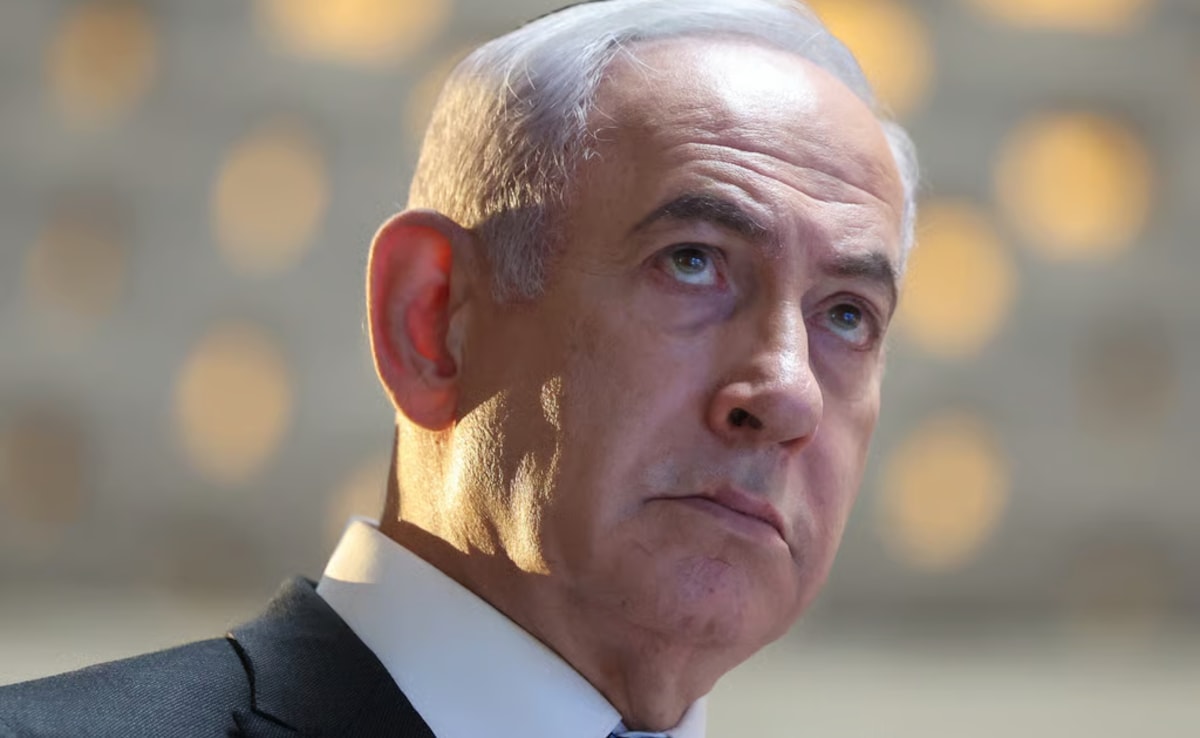
Benjamin Netanyahu's legal saga isn't just a court case anymore. It's a permanent fixture of the Israeli political psyche. After a brief pause caused by the high-stakes conflict with Iran, the Jerusalem District Court confirmed that the Prime Minister's corruption trial will resume on April 12.
You might think a trial that started in 2020 would have reached a verdict by now. Honestly, most people have lost track of the witness lists and the specific dates. But with a ceasefire in place and the state of emergency lifted, the judicial gears are grinding again. This isn't just about whether a sitting leader gets a jail cell; it's about the very survival of Israel's democratic institutions under the most intense pressure they've ever faced. Meanwhile, you can explore related developments here: The Pentagon Cannot Just Shut the Door on the Press.
The Return to the Jerusalem District Court
The court's spokesperson was blunt on April 9. With the Home Front Command easing restrictions, the "return to work of the judicial system" is official. For Netanyahu, this means a return to the grueling four-day-a-week schedule. Hearings typically run Sunday through Wednesday, alternating between Jerusalem and Tel Aviv.
Sunday's session kicks off at 9:30 am. It's expected to feature testimony from a defense witness, though the specific names are often kept close to the vest until the last minute for security reasons. Netanyahu remains the first sitting Israeli Prime Minister to face a criminal trial. He isn't just fighting three separate indictments; he's fighting a clock that's been ticking since 2019. To explore the bigger picture, we recommend the recent report by Associated Press.
What's Actually on the Table
If you're confused by the numbers—Case 1000, 2000, and 4000—you aren't alone. Basically, the prosecution is trying to prove a pattern of "quid pro quo" behavior that spans decades.
- Case 1000 (The Gifts Affair): This involves roughly $200,000 worth of luxury goods. We're talking high-end cigars, pink champagne, and jewelry provided by billionaire moguls like Arnon Milchan. The state says these weren't just friendly gifts; they were a "supply channel" in exchange for help with US visas and tax breaks.
- Case 2000 (The Yedioth Ahronoth Deal): This is about a backroom deal that never quite finished. Prosecutors claim Netanyahu tried to weaken a rival newspaper to get better coverage from Yedioth Ahronoth publisher Arnon Mozes.
- Case 4000 (The Bezeq-Walla Affair): This is the heavy hitter. It's the one that carries a bribery charge. The allegation is that Netanyahu granted regulatory favors worth hundreds of millions of dollars to the Bezeq telecommunications group. In exchange, he supposedly got glowing coverage on the Walla! news site.
The Pardon Factor and the Trump Connection
Here's where it gets weird. In late 2025, Netanyahu did something almost unheard of. He applied for a pardon while the trial was still active. Usually, you wait for a conviction before asking for mercy. But Netanyahu's team argued that the national interest—managing a multi-front war—should take precedence over a "political" trial.
Donald Trump has been a vocal cheerleader for this move. He’s gone on record multiple times, even addressing the Knesset, to push President Isaac Herzog to grant clemency. Trump’s logic is simple: a leader shouldn't be distracted by courtrooms while dealing with Iran.
The Justice Ministry is currently reviewing "supplementary material" for this request. Heritage Minister Amichai Eliyahu has already backed the idea. But don't expect a quick fix. Israel's legal experts are largely horrified by the idea of a pre-verdict pardon. It would set a precedent that essentially says the law doesn't apply to you if you're important enough.
Why This Trial Isn't Ending Soon
You'd think six years of investigations and four years of trial would be enough. It's not. The defense has been incredibly effective at slowing things down. They’ve cited everything from the Hamas attacks in 2023 to the recent Iranian missile barrages as reasons for delays.
There’s also the sheer volume of evidence. We're talking hundreds of witnesses and tens of thousands of pages of documents. The court rejected a request for a 10-week delay earlier this year, stating Netanyahu had plenty of time to prepare. The judges are clearly losing patience, but they have to be careful. Any perceived unfairness gives Netanyahu’s base more ammunition to claim the whole thing is a "witch hunt."
The Impact on the Ground
While the lawyers argue over "breach of trust," the Israeli public is exhausted. Recent polling suggests the current coalition might struggle in the upcoming October elections. For many voters, the trial is no longer the main issue—the economy and security are. Yet, the trial remains the "elephant in the room" that dictates every political alliance Netanyahu makes.
If you’re following this, don't look for a dramatic "guilty" or "not guilty" verdict this month. April 12 is just the resumption of a marathon. The next steps are clear:
- Monitor the witness testimony on Sunday for any shifts in Case 4000.
- Watch for President Herzog's reaction to the Justice Ministry's pardon review.
- Keep an eye on how the April 12 hearings impact the fragile ceasefire environment.
The court is back in session. Whether the country is ready for the fallout is a different story.


