When global leaders step up to the podium at the United Nations General Assembly, they expect friction. But the rhetorical collisions during the high-level debates usually carry a thin veneer of diplomatic caution. Israeli Prime Minister Benjamin Netanyahu dispensed with that caution entirely during his address, choosing instead to point fingers directly at Doha.
The core of his argument claimed that billions of dollars had been funneled into foreign influence campaigns designed to brainwash young minds across the West into turning against Israel. He singled out Qatar explicitly, accusing the Gulf state of orchestrating a coordinated effort to manipulate global public opinion.
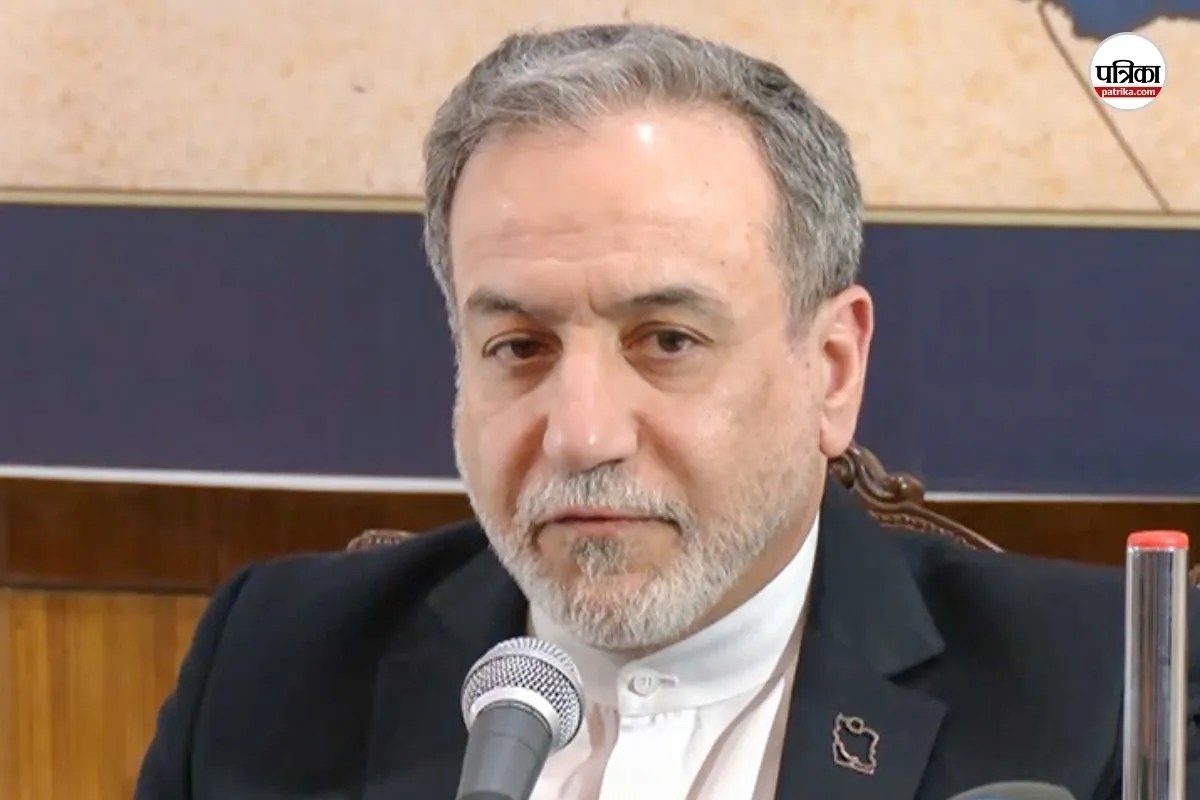
Doha didn't wait twenty-four hours to fire back. Qatar’s foreign ministry spokesman, Majed al-Ansari, issued a sharp, categorical rejection of the claims. The official stance wasn't just a routine diplomatic denial. It went much further, labeling the accusations as a transparent smokescreen designed to pull eyes away from the humanitarian crisis unfolding in Gaza.
The Real Battle Over Global Public Opinion
You don't need a degree in international relations to notice how drastically public perception has shifted over recent years, especially among younger demographics. Walk onto any major university campus or scroll through any social media feed, and you will see a generation heavily mobilized against military actions in the Palestinian territories.
Netanyahu wants the world to believe this massive shift is manufactured. His UNGA narrative relies on the idea of foreign puppet masters—accusing countries like Qatar and Turkey of being the engine behind anti-Israel sentiment.
Qatar's response hit right at the core of why that argument falls flat. Al-Ansari pointed out that reducing a profound global awakening to a cheap conspiracy theory insults the intelligence of ordinary people. When you have a generation watching real-time footage of devastation directly on their phones every single day, you don't need a state-backed influence campaign to provoke a reaction. People are forming organic opinions based on the raw imagery playing out in front of them.
Blaming external scapegoats is an old political playbook. Whenever a government faces intense international isolation and crumbling public approval abroad, the easiest move is to claim a grand conspiracy. But pointing fingers at Doha or Ankara ignores the uncomfortable reality on the ground.
Beyond the Podium Politics
The diplomatic fallout from these speeches highlights a deeper breakdown in regional communication. Qatar has spent years acting as a vital mediator in complex negotiations, maintaining channels that many Western nations refuse to touch directly. Accusing a primary mediator of running malicious psychological operations against Western youth complicates an already fragile diplomatic landscape.
At the same time, domestic political pressures play a massive role in these high-stakes UN performances. Leaders under immense internal scrutiny often use international stages to rally their base, projecting strength and externalizing blame. Netanyahu's speech served a dual purpose: addressing foreign critics while trying to solidify domestic political standing amid mounting regional friction.
Yet, the international community is becoming increasingly fatigued by deflection. When nations demand accountability for humanitarian law and civilian casualties, pointing toward a foreign influence bogeyman doesn't close the debate. It only deepens the credibility gap.
Qatar's swift rebuttal draws a hard line in the sand. Doha is signaling that it refuses to absorb the blame for a global backlash driven entirely by actual events. Until leaders focus on shifting ground realities instead of hunting for external scapegoats, this rhetorical war of attrition will only accelerate.
Stop looking for hidden masterminds behind organic outrage. Sometimes, the footage speaks for itself.
Qatar rejects Netanyahu's UN allegation as attempt to deflect from Israeli atrocities in Palestine
This video captures the immediate right-of-reply statement where Qatar's representative officially rejected the UN allegations and outlined how the rhetoric aims to deflect from ongoing policies.