Natural disasters rarely give you a warning call. One moment you are listening to the heavy downpour drumming against your tin roof, and the next, your entire neighborhood is sliding down a ravine. That is the grim reality hitting the Himalayan foothills right now.
In the rugged terrain of Nepal, Gorkha district just took another heavy hit from flash floods. Four residential houses vanished into the churning brown water. A vital local bridge collapsed, cutting off movement and leaving communities stranded.
People always ask how mountain regions can stay so vulnerable after decades of infrastructure projects. The truth is simple. Mother Nature holds all the cards in the Himalayas. Monsoonal rage does not care about concrete foundations or local government budgets.
Why Gorkha Remains a High Risk Zone
Gorkha sits right in a delicate geological sweet spot. Steep slopes, loose soil, and erratic weather patterns make it a textbook example of flash flood vulnerability. When cloudbursts hit the upper ridges, runoff water gathers speed in narrow gorges. It turns into a muddy battering ram.
Houses built near riverbanks bear the brunt of this fury. Local authorities often advise villagers to move to higher ground, but relocation is easier said than done. Generations have farmed these river valleys. Families do not just pack up and abandon ancestral land because the monsoon looks angry.
You need to understand the human side of this crisis. When a bridge washes out, it is not just a logistical inconvenience. It means children cannot get to school. It means farmers cannot transport perishable goods to market. It means medical emergencies turn into life-or-death races against time.
The Immediate Aftermath and Rescue Efforts
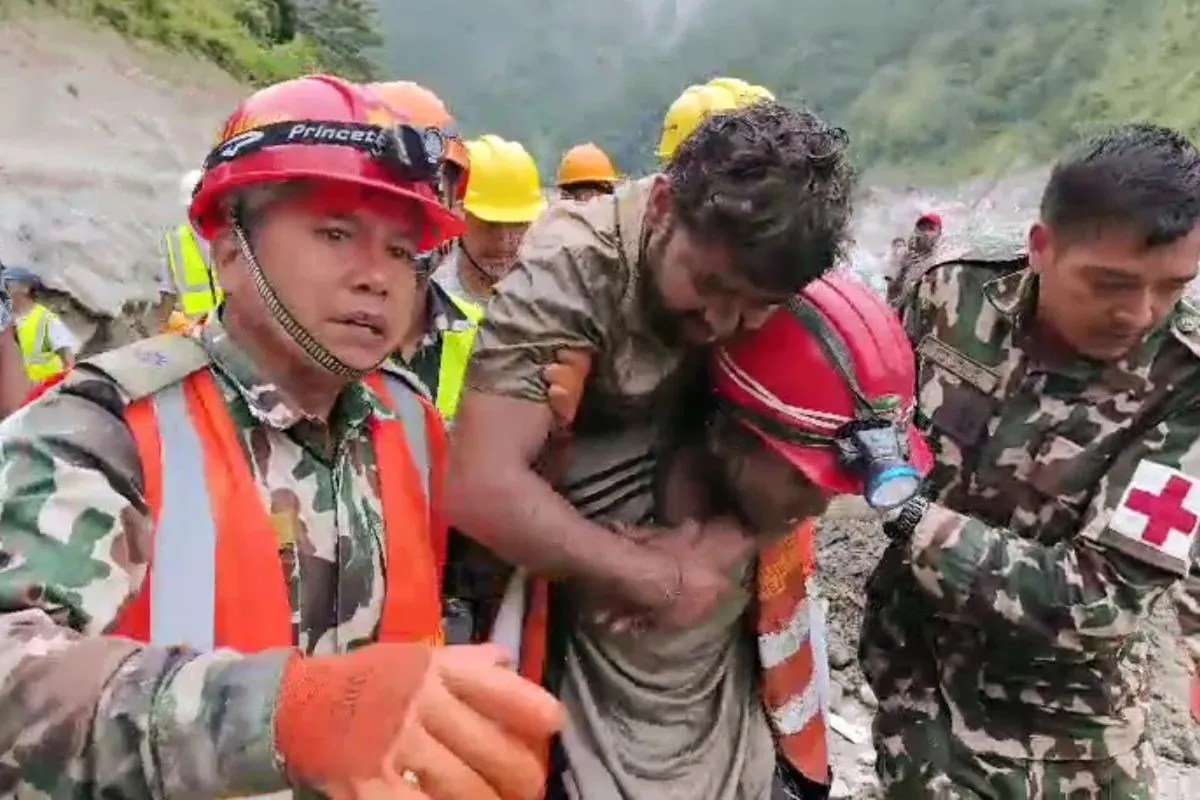
Disaster response in rural Nepal is grueling. Heavy machinery cannot reach remote pockets instantly because roads are blocked by landslides. Local rescue teams rely on shovels, ropes, and sheer willpower.
Officials from the district administration office mobilized local police forces and volunteers immediately after the Gorkha floods struck. They are trying to account for missing residents while setting up makeshift relief camps for displaced families. Tarpaulins, dry rations, and clean drinking water are top priorities right now.
Contaminated water sources pose a massive secondary threat after any flood. Diarrhea and waterborne illnesses spread fast in damp, crowded evacuation shelters. Health workers are racing against the clock to distribute purification tablets and basic medicines before an outbreak hits.
What Needs to Change Right Now
We can keep blaming the monsoon every single year, or we can change how we build in vulnerable mountain districts. Traditional construction methods no longer cut it against changing weather extremes.
Engineers must rethink rural bridge designs. Older suspension bridges cannot handle massive debris loads carried by flash floods. We need reinforced concrete structures built further away from natural flood channels. Early warning systems also need a major upgrade. Sirens linked to rainfall sensors up in the high hills can buy precious minutes for evacuation.
Right now, affected families need immediate financial aid to rebuild their lives from scratch. If you want to help, support grassroots organizations working on the ground in Gorkha rather than vague international pledges. Check local updates, heed weather warnings, and never underestimate the raw power of rising mountain waters.