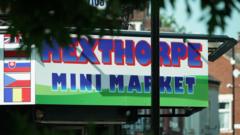
The bell above the door jingles. It is a cheap, tinny sound, the universal soundtrack of the British high street. You step inside for a pint of milk, a scratchcard, or a loaf of bread. The air smells vaguely of cardboard, synthetic cherry vape liquid, and the refrigeration hum of a dairy aisle. The man behind the counter nods, slides your change across the scarred plastic mat, and you leave.
It takes less than three minutes. It is entirely ordinary.
Except when it isn't.
Behind that counter, and beneath the glossy, familiar logos of the UK’s ubiquitous independent mini-marts, lies a complex maze of ownership, exploitation, and systemic blindness. We look at these shops every day. We rely on them. But we have stopped truly seeing them. A devastating criminal case in England has shattered that collective trance, forcing a harsh spotlight onto the dark underbelly of the local convenience sector. It is a reality where vulnerable children are targeted not in dark alleys, but in the bright, fluorescent glare of the neighborhood shop.
The Illusion of the Mainstream
Walk down any British high street or suburban parade. You will see the familiar fascias: Premier, Best-one, Londis, Go Local. These names offer a psychological comfort blanket. They imply corporate oversight, standardized HR departments, and strict compliance structures. They look like chains.
They are not.
In the vast majority of cases, these brands operate as symbol groups or franchises. The overarching company supplies the stock, the branding, and the point-of-sale systems. The actual day-to-day operation, the hiring, the firing, and the physical space belong entirely to independent traders.
This model is a triumph of modern retail logistics. It allows independent shopkeepers to compete with supermarket giants by pooling buying power. But this structure also creates a massive, dangerous accountability vacuum. When the corporate parent provides the sign above the door but abdicates responsibility for what happens beneath it, the local shop becomes an island.
Consider a hypothetical neighborhood where a single mini-mart is the only store open past 8:00 PM. To the corporate supplier hundreds of miles away, that store is just a line on a spreadsheet, a reliable destination for shipments of crisps and carbonated drinks. But to a vulnerable teenager in that neighborhood, the store is something else entirely: a warm place to hang out, a source of free snacks, and a trap.
The recent conviction of a convenience store worker for the horrific abuse of a young girl has exposed the terrifying outer limits of this governance gap. The perpetrator used the autonomy of the shop floor—and the implicit trust placed in the brand name outside—to groom and abuse. This was not a failure of locks and keys. It was a failure of a system that treats human spaces as mere distribution nodes.
The Blind Spot in the Local Economy
How did we get here? To understand the problem, we have to look at how the British high street evolved. As traditional pubs closed and community centers lost funding, the corner shop quietly inherited the role of the neighborhood hub. It became the place where people check in on elderly neighbors, where kids buy sweets after school, and where cash-strapped families get electricity tokens.
Because these shops are so essential, we project a nostalgic warmth onto them. We want to believe in the myth of the friendly local shopkeeper. Criminals understand this intimacy. They exploit it.
The business model of the independent mini-mart is notoriously brutal. Margins are razor-thin. Energy bills are astronomical. To survive, owners frequently cut corners on staffing. They rely on cash-in-hand workers, distant relatives, or unregulated shifts where a single employee is left entirely unsupervised for twelve hours at a time. There are no HR managers conducting background checks in the back room of a suburban off-license. There are no safeguarding seminars between the stock delivery and the evening rush.
When the state pulled back from communities, it left the high street to regulate itself. The result is a wild west masquerading as a corporate paradise.
The regulatory framework is hopelessly outdated. Local authorities are tasked with inspecting these premises, but their focus is almost entirely transactional. They check the alcohol license. They verify the underage sales logs for tobacco. They check the temperature of the raw meat fridge. They are looking for administrative infractions, completely blind to the human dynamics playing out on the other side of the counter.
The Heavy Price of the Corporate Shield
When a crisis erupts, the corporate response from the symbol groups follows a predictable script. The statements are drafted by expensive public relations firms. They express deep shock. They offer condolences to the victims. And then, with practiced legal precision, they draw the line.
We do not own or operate this store. The individual in question was not our employee. We are merely a wholesale supplier.
Technically, legally, they are correct. The law protects them. The franchise agreements shield them from liability. But ethically, this defense is crumbling.
You cannot plaster your logo across thousands of communities, cultivate an image of neighborhood reliability, and then wash your hands of the human cost when that brand image facilitates a atrocity. The brand is the shield that allowed the perpetrator to operate without suspicion. Parents let their children walk to the shop because they recognized the logo. They trusted the institution.
This is where the business model becomes predatory. The symbol groups leverage the trust of the community to sell products, but refuse to invest in protecting that same community.
Change is technically simple but commercially inconvenient. It requires a fundamental rewriting of the relationship between corporate suppliers and independent retailers. If a company wants the benefit of its brand on a high street, it must mandate safeguarding standards as a condition of that contract. It means requiring verified background checks for any staff member working under that banner. It means implementing independent whistleblowing hotlines for customers and neighbors who notice odd behavior.
Predictably, the retail lobby pushes back. They argue that additional red tape will kill the independent shop. They claim that small businesses cannot afford the administrative burden of intense vetting.
But we must ask ourselves what the alternative costs. The price of cheap milk and convenient hours cannot be measured in the safety of children.
Moving Beyond the Counter
The solution will not come from corporate boardrooms volunteering to do the right thing. It will require a radical overhaul of licensing laws. Currently, a premises license focuses on public nuisance, crime prevention, and public safety in a general sense. It needs to be updated to explicitly include modern safeguarding metrics.
Imagine a licensing system where a store cannot operate late hours without demonstrating a clear, verified staff vetting process. If a store cannot prove who is behind the counter, it loses its right to trade. It is a blunt instrument, but the time for gentle persuasion passed long ago.
We also have to change how we interact with these spaces as consumers. The next time you walk into a local mini-mart, look past the brightly colored displays and the promotional offers. Notice the dynamics. Is there a lone worker who seems entirely disconnected from any corporate oversight? Are there young people hanging around the counter in a way that feels uncomfortable?
We have outsourced our vigilance to corporate entities that do not exist in our physical reality. They exist in corporate headquarters and logistics parks off the motorway. They do not hear the tinny jingle of the door bell. They do not see the faces of the children who walk through it.
The high street is the nervous system of the British community. When a part of that system becomes toxic, the whole body suffers. The fluorescent lights of the corner shop will keep burning tonight, casting long shadows across the pavement outside. The question is no longer what they are selling, but who we are leaving behind in the dark.