NATO is tired of the drama. After years of high-stakes summer gatherings that often felt more like reality TV than a defense alliance, the North Atlantic Treaty Organization is weighing a radical move. They’re thinking about killing off the annual summit.
If you’ve been watching the news lately, you know exactly why. Since Donald Trump returned to the White House, the "family photos" and joint communiqués have become minefields. Between the 2026 tension over Greenland and the bitter fallout from Operation Epic Fury in the Middle East, the alliance is fraying. European diplomats are basically saying what every exhausted wedding planner thinks: "Maybe we just shouldn't meet this often."
The Trump factor is real but it’s not the only thing
It’s easy to blame the current chaos entirely on the U.S. President. Trump has a habit of using these summits as a stage to berate allies for "free-loading," and his recent anger over the lack of support for operations against Iran has reached a boiling point. But let’s be honest: the problem goes deeper than one man’s rhetoric.
The annual summit has become a victim of its own success. Since 2021, the alliance has met every single summer. That schedule creates an artificial pressure to produce "eye-catching results" every twelve months. You can’t reinvent the wheel every July, yet diplomats spend thousands of hours drafting 40-page documents that mostly repeat what was said the year before.
One senior European official put it bluntly: "Better to have fewer summits than bad summits." The goal here isn't just to avoid a public shouting match with Washington; it's to return NATO to a state of quiet, boring, and effective work. During the Cold War, summits were rare. They were used for massive strategic shifts, not as a yearly obligation. Going back to a biennial schedule—meeting every two years—would give the alliance space to breathe.
Why 2028 is the red line
The most telling detail in the current deliberations is the calendar. NATO is already looking at the 2027 summit in Albania, but there’s a massive question mark over 2028. Why? Because 2028 is a U.S. presidential election year. It's also Trump's final full year in office.
Nobody wants a repeat of the Brussels or Vilnius-style tension during a heated American campaign. By skipping 2028, NATO leaders hope to stay out of the crosshairs of domestic U.S. politics. It’s a survival tactic. If there’s no stage, there’s no performance. If there’s no performance, there’s less risk of a "paper tiger" comment causing a stock market crash or a diplomatic crisis.
More money and more Arctic problems
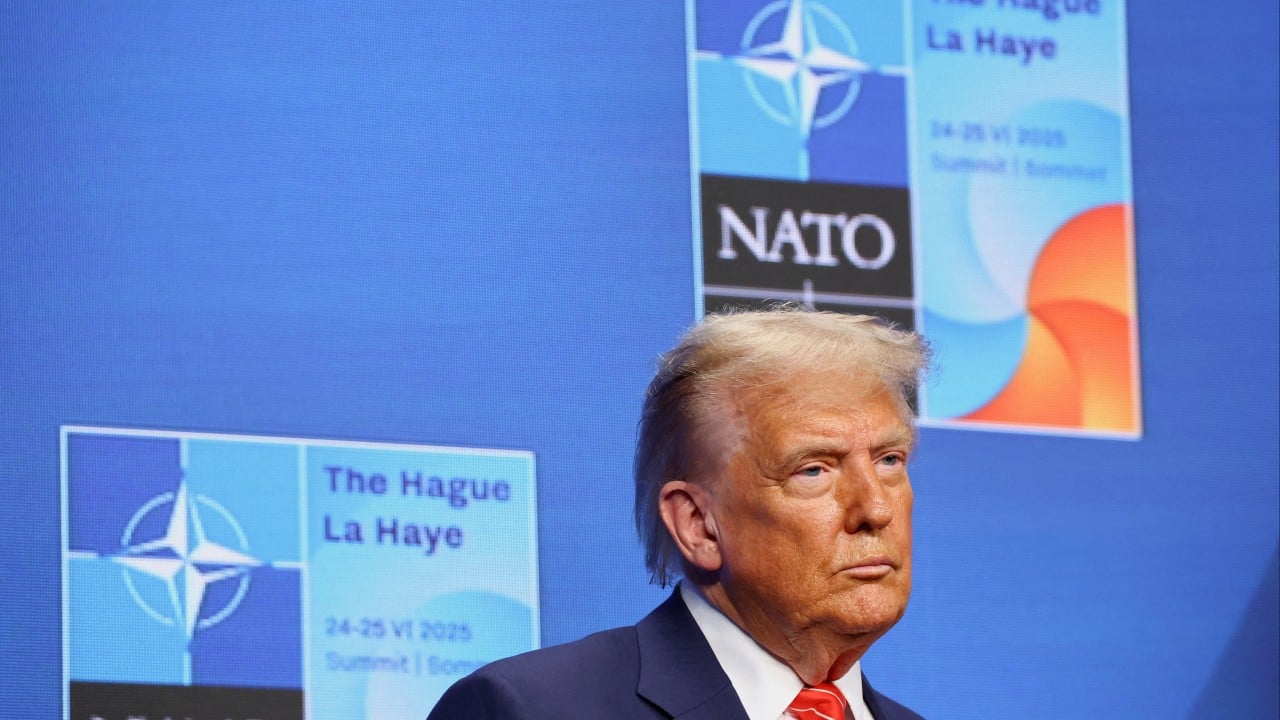
While the frequency of meetings might change, the workload isn't shrinking. In fact, the Hague Summit in 2025 pushed the defense spending target to a staggering 5% of GDP by 2035. That’s a massive leap from the old 2% goal that allies used to struggle with.
We’re also seeing a shift in where the alliance is looking. The upcoming 2026 summit in Ankara is expected to be dominated by two things:
- Greenland and the Arctic: The U.S. pressure on Denmark hasn't gone away. NATO is trying to "NATO-ize" the issue by creating Arctic-centered troop deployments and training exercises to keep everyone happy.
- The Strait of Hormuz: Trump is still fuming that Europeans didn't jump into his naval operations against Iran. Now, the alliance is trying to find "political cover" by turning those missions into NATO-led operations rather than U.S.-led ones.
The Rutte doctrine
The man holding the pen on this decision is NATO Secretary-General Mark Rutte. He’s the one who has to balance the demands of the "Eastern Flank" countries—who want more summits to show Russia that the U.S. is still committed—against the "Western Flank" countries who just want to avoid another PR disaster.
Rutte’s stance is clear: NATO can’t defend itself without the U.S., but it also can’t survive if it’s constantly in a state of crisis management. By moving toward a more "low-profile" model, he’s betting that the alliance can do more through quiet staff-level work and less through televised grandstanding.
What this means for you
If you think this is just about some politicians in suits, think again. A more "quiet" NATO actually signals a more permanent shift toward European self-reliance. If the summits stop being a yearly check-in on American commitment, European capitals will have to start trusting their own collective defense plans more.
Keep an eye on the Ankara summit this July. If the final statement includes a vague line about "reviewing the frequency of future high-level engagements," that’s the code. It means the annual party is over.
If you're following the defense sector or international relations, watch for these three shifts:
- Defense Procurement: Look for a "European preference" in new equipment rules.
- Arctic Investment: Watch for new NATO "Joint Force Commands" specifically for the North.
- The 2028 Calendar: Check if the Albania summit in 2027 is pushed to late autumn—that’s a sure sign they’re clearing the deck for a summit-free 2028.
NATO isn't dying, but it's definitely going into "incognito mode."