Fear sells better than oil. The headlines scream that the Strait of Hormuz is a ghost town, that 53 tankers fled in terror, and that the U.S. Navy is the only thing standing between us and total economic collapse. It is a cinematic narrative designed for clicks and defense budget justifications. It also happens to be a fundamental misunderstanding of how global energy logistics actually operate in the 21st century.
If you think the world's most vital maritime chokepoint just "shut down" for 24 hours because of a few tactical skirmishes, you aren't paying attention to the math. You are falling for the theater of scarcity.
The Ghost Ship Fallacy
The competitor's claim that not a single ship passed through the Strait in a day is technically possible but contextually irrelevant. Shipping is not a constant stream of traffic like a highway at rush hour; it is a series of choreographed surges governed by insurance premiums and tide windows.
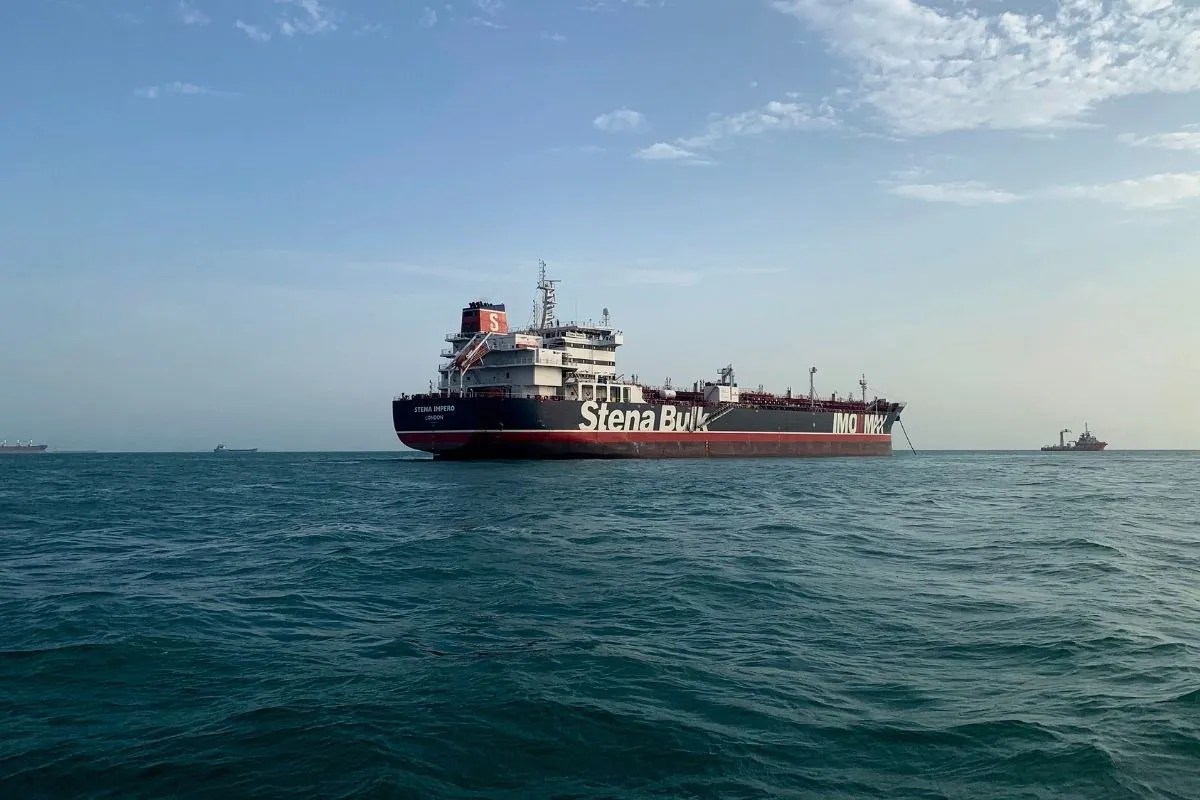
When the media reports "53 tankers returned," they want you to imagine a panicked retreat. The reality is far more calculated. Those ships didn't turn around because they were afraid of being hit; they stopped because their War Risk Insurance premiums spiked 400% in a six-hour window. Captains don't make these calls based on bravery. Actuaries in London make them based on the bottom line.
I have watched logistics firms burn through millions in "emergency surcharges" during these perceived blackouts. The secret nobody tells you? The oil is still moving. It’s just moving through pipelines like the Habshan–Fujairah line, which bypasses the Strait entirely. The "silence" in the water isn't a sign of a broken world; it's a sign of a rerouted one.
The U.S. Navy is Not Your Delivery Service
The "savior" narrative regarding the four destroyed tankers is the most dangerous trope of all. The idea that military intervention "stabilizes" the market is a 1980s relic.
In the modern era, kinetic action—the fancy word for blowing things up—actually creates the volatility that speculators crave. Every time an escort mission is publicized, the price of Brent Crude jumps. If the goal was truly to keep the oil flowing cheaply, the strategy would be quiet diplomacy and decentralized energy grids. Instead, we get a high-stakes standoff that serves three specific groups:
- Defense Contractors: Who get to prove their hardware is necessary for "securing trade."
- Oil Speculators: Who make a killing on the 5% "fear premium" added to every barrel.
- Alternative Energy Lobbyists: Who use every Hormuz hiccup to scream about the fragility of fossil fuels.
The U.S. Navy isn't protecting your gas prices. They are protecting the status quo of a centralized, vulnerable energy system that should have been modernized decades ago.
Risk Is the Product
Let’s dismantle the "People Also Ask" nonsense about whether this will lead to $200 oil. It won't.
The global economy has developed a high tolerance for Middle Eastern volatility. We are currently seeing a massive shift in "Shadow Fleets"—tankers operating under flags of convenience with disabled transponders. While the "official" stats say the Strait is quiet, the AIS (Automatic Identification System) data tells a lie.
Dark ships are moving through the Strait right now. They don't show up on the charts the Pentagon shares with the press. They don't have standard insurance. They are the "grey market" of energy, and they thrive when the "white market" is scared off by headlines.
- The Illusion: The Strait is closed.
- The Reality: The Strait is expensive for rule-followers and profitable for everyone else.
The Logistics of Artificial Scarcity
If I’m a shipping tycoon, a "shut down" Hormuz is the best thing that can happen to my quarterly report. Why? Because it allows me to trigger Force Majeure clauses. I can void low-rate contracts, reroute ships around the Cape of Good Hope, and charge three times the freight rate under the guise of "global instability."
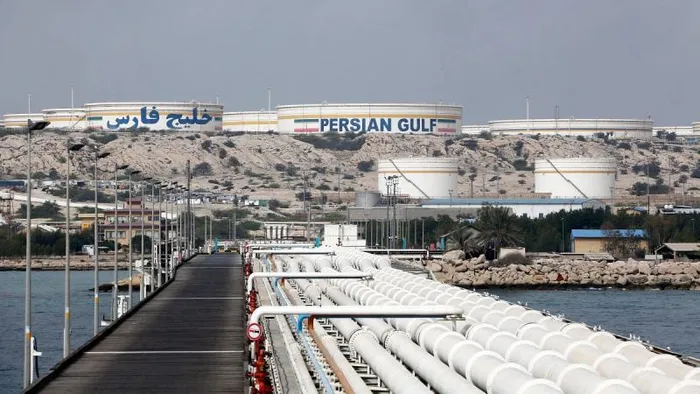
We saw this with the Ever Given in the Suez, and we see it every time a drone flies near a Persian Gulf pier. Supply chain fragility is a feature, not a bug. It creates a "scarcity event" that allows for massive price gouging across the entire vertical—from the wellhead to the pump.
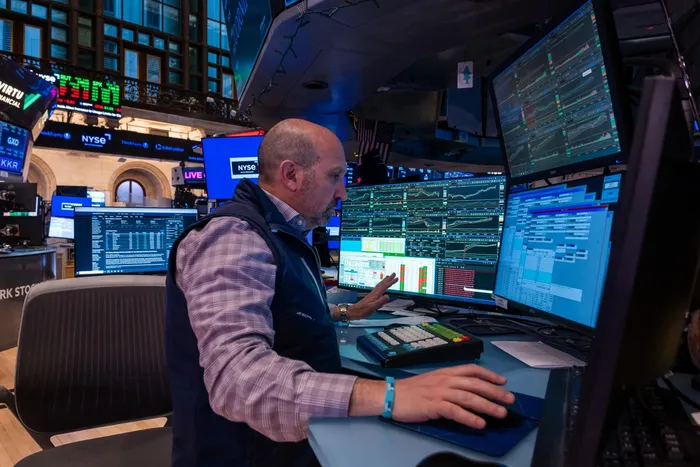
If you want to understand the Strait, stop looking at satellite photos of empty water and start looking at the derivative markets in New York and London. The tankers aren't "fleeing"; they are waiting for the price to hit the sweet spot where the risk of a missile is lower than the reward of a record-breaking payout.
Your Data is Outdated
The "53 tankers" figure is a distraction. Even if they never returned, the global supply of oil is currently in a surplus. The U.S. is the largest producer in the world. Brazil is ramping up. Guyana is the new frontier.
The fixation on Hormuz is a psychological anchor. It keeps us addicted to the idea that our lives depend on a 21-mile-wide stretch of water. It prevents us from demanding a localized, hardened energy infrastructure.
Why the "Expert" Analysis is Wrong:
- Linear Thinking: They assume if Ship A doesn't pass Point B, the oil is "gone." They ignore storage draws and regional swaps.
- Military Bias: They believe firepower equals flow. History shows that military escalations in the Gulf correlate with long-term price hikes, not stability.
- Underestimating Technology: Satellite imagery and AI-driven logistics now allow companies to "ghost" their cargo through conflict zones with surgical precision.
The Brutal Truth
The Strait of Hormuz is a stage. The players—the U.S., Iran, the shipping cartels—are all reading from a script that was written in the 1970s.
The 24-hour "silence" reported by the media wasn't a crisis. It was a commercial recalibration. The ships will be back the moment the insurance companies find a way to price the chaos into your next credit card statement.
Stop mourning the "abandoned" sea lanes. The only thing being "destroyed" in the Strait of Hormuz is the taxpayer's wallet, funded by the myth that we are one bad day away from the Stone Age. The ships haven't disappeared; they've just gone off the radar until the price is right.
Trade doesn't stop for war. It just gets more expensive.
Go look at the tracking data again in 48 hours. The "ghost town" will be a crowded harbor, and you’ll be the one paying for the "restoration of order" at $5 a gallon.
Stop checking the news. Check the margins.