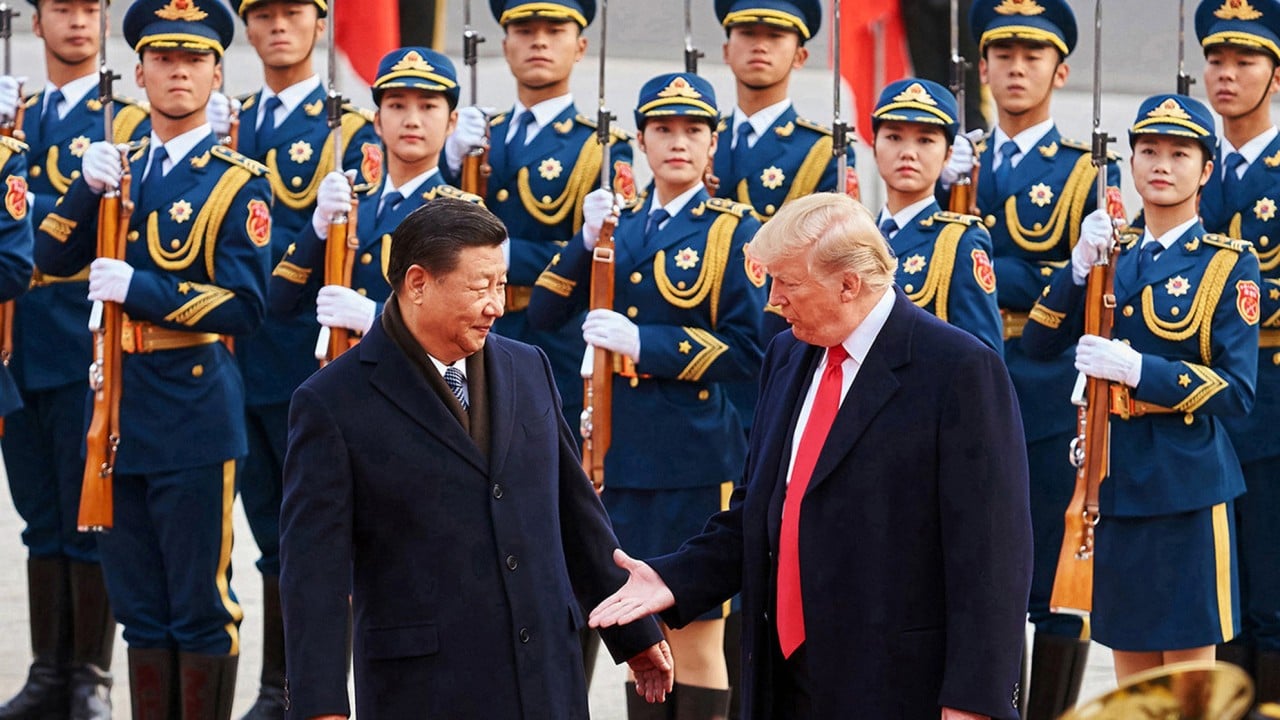
The Kremlin is dusting off a Cold War playbook for the high-stakes elections of 2026. This isn't about simple bot farms or clumsy "fake news" anymore. We are witnessing the deployment of a specific, gendered psychological operation designed to paralyze Western decision-makers before they even reach the podium.
The recent surfacing of a high-profile Russian operative—a woman previously noted for her presence during sensitive bilateral summits—is not a coincidence. Intelligence circles have long tracked the "distraction tactic," a method where Moscow utilizes visually striking figures to disrupt the concentration and media narrative surrounding world leaders. But the new directive goes further. This operative is no longer just a background fixture meant to fluster a president during a photo op. She is the face of a sophisticated influence campaign aimed at the 2026 electoral cycle, tasked with bridging the gap between traditional espionage and modern social media manipulation.
Russia’s strategy relies on a fundamental misunderstanding of "glamour" as mere vanity. In reality, it is a weaponized asset. By positioning specific individuals in the orbit of Western political influencers, the SVR (Russia's Foreign Intelligence Service) creates a "honey bridge." This isn't always about sex or blackmail in the classic sense. Often, it is about access, the softening of hardline stances, and the creation of a proximity that makes the aggressor seem relatable, even alluring.
The Mechanics of Visual Subversion
Modern influence operations work by hijacking the human brain's focus. When a world leader or a key negotiator is confronted with a calculated distraction, the cognitive load shifts. The Kremlin knows that the Western press is easily swayed by optics. If they can insert a "secret weapon"—a person who commands the camera's attention—they can effectively bury the actual policy discussions under a mountain of tabloid speculation and social media chatter.
This tactic was famously tested during past summits, where the mere presence of a specific Russian interpreter or aide was enough to derail the serious tone of nuclear or trade negotiations. By the time the Western leader realizes they are being played, the photographs are already viral, and the serious diplomatic objective is lost in the noise. For the 2026 elections, this model is being scaled. Moscow is moving from "distracting the man" to "distracting the electorate."
From Summit Photo Ops to Digital Influence
The operative in question has shifted from the shadows of diplomatic halls to a more public-facing role. This is deliberate. By building a persona that appeals to younger, disillusioned voters in the West, Russia creates a pipeline for their preferred narratives. These narratives aren't always pro-Putin; often, they are simply anti-establishment. They use the "secret weapon" to deliver critiques of Western economic policy or social issues, wrapped in a package that feels authentic and non-threatening.
We have to look at the infrastructure behind this. It involves:
- Aesthetic Laundering: Using high-end fashion and lifestyle content to mask political propaganda.
- The Proximity Effect: Making the Russian perspective seem like a "cool" alternative to boring domestic politics.
- Algorithmic Gaming: Leveraging the way social platforms prioritize visual content to ensure the operative’s message reaches the maximum number of swing voters.
The 2026 elections represent a turning point. Unlike 2016 or 2020, the tools of AI and deepfakes allow Moscow to amplify one operative’s influence a thousandfold. They can create a "glam" front that speaks ten languages, reacts in real-time to polling data, and appears to be everywhere at once.
The Failure of Western Counters
The West is currently failing to counter this because it treats these individuals as "celebrity" or "lifestyle" curiosities rather than active intelligence assets. When a Russian "socialite" with ties to the Kremlin begins appearing at key political fundraisers or tech conferences in Europe and the US, the reaction is usually a shrug. This is a mistake.
Intelligence isn't always a guy in a trench coat stealing microfilm. Today, it is a person at a gala with a smartphone and a high-functioning social circle. The "secret weapon" identified in recent reports is a node in a much larger network. This network's goal is to ensure that by the time the 2026 elections arrive, the public is so fatigued by conflicting narratives and visual distractions that they lose sight of the actual security threats posed by Russian expansionism.
The Hidden Hand of the SVR
Behind the glamour lies a very cold, very calculated department within the SVR. They study the psychological profiles of Western leaders and the demographics of key voting blocs. If they find a vulnerability—a penchant for a certain type of media attention or a weakness for "outsider" perspectives—they exploit it.
The operative recently identified is part of the "Active Measures" program. This isn't a new concept, but the execution has evolved. In the 1970s, it was about planting stories in newspapers. In 2026, it is about planting people in the cultural consciousness. They are the "influencers" of geopolitical destabilization.
Consider the "Why" behind this specific recruitment. Why her? Why now? It’s because she represents a bridge to a demographic that the Kremlin previously struggled to reach: the affluent, politically disengaged middle class. By making the "Russian side" look sophisticated and misunderstood, they erode the unified front required for sanctions and military alliances.
Identifying the Pattern
To protect the integrity of the 2026 vote, we have to look for the pattern. It usually begins with a sudden surge in visibility for an individual with unclear funding and direct lines to the Moscow power structure. They will start by echoing "common sense" views that subtly align with Russian foreign policy goals—such as the cessation of aid to Ukraine or the "natural" spheres of influence in Eastern Europe.
They use beauty and charisma to bypass the critical thinking filters of their audience. It is a form of soft power used for hard geopolitical gains. If a voter likes the messenger, they are far more likely to accept the message, no matter how toxic it actually is for their own national security.
The 2026 Battlefield
The upcoming elections won't be won or lost on policy alone. They will be decided in the murky waters of digital perception. Russia’s "secret weapon" is a symptom of a much larger disease: the vulnerability of our open societies to sophisticated, personality-driven psychological warfare.
This isn't about being paranoid; it's about being prepared. We need to stop looking at these figures through the lens of entertainment and start seeing them as the frontline soldiers they are. The Kremlin isn't trying to hide her anymore because they don't have to. They know that in our current media climate, the shiny object always wins.
Governments must start treating these high-profile influence agents with the same scrutiny they apply to cyber-attacks. An attractive face can do more damage to an alliance than a hack on a power grid ever could, because the damage is done to the minds of the people, not just the machines.
The strategy for 2026 is already in motion. The operative is in place. The content is being staged. The only question is whether the Western public will see the trap before they step into it. We need to look past the "glam" and see the gears of the state machine grinding behind the smile. Verify the sources of information, question the sudden emergence of "independent" influencers who happen to parrot the Kremlin line, and realize that in the world of modern intelligence, the most dangerous weapon isn't a gun—it's a narrative you can't stop looking at.
Audit your news feeds. If a person seems too perfectly calibrated to distract you from the actual stakes of an election, they probably are.