Silicon Valley is having a panic attack.
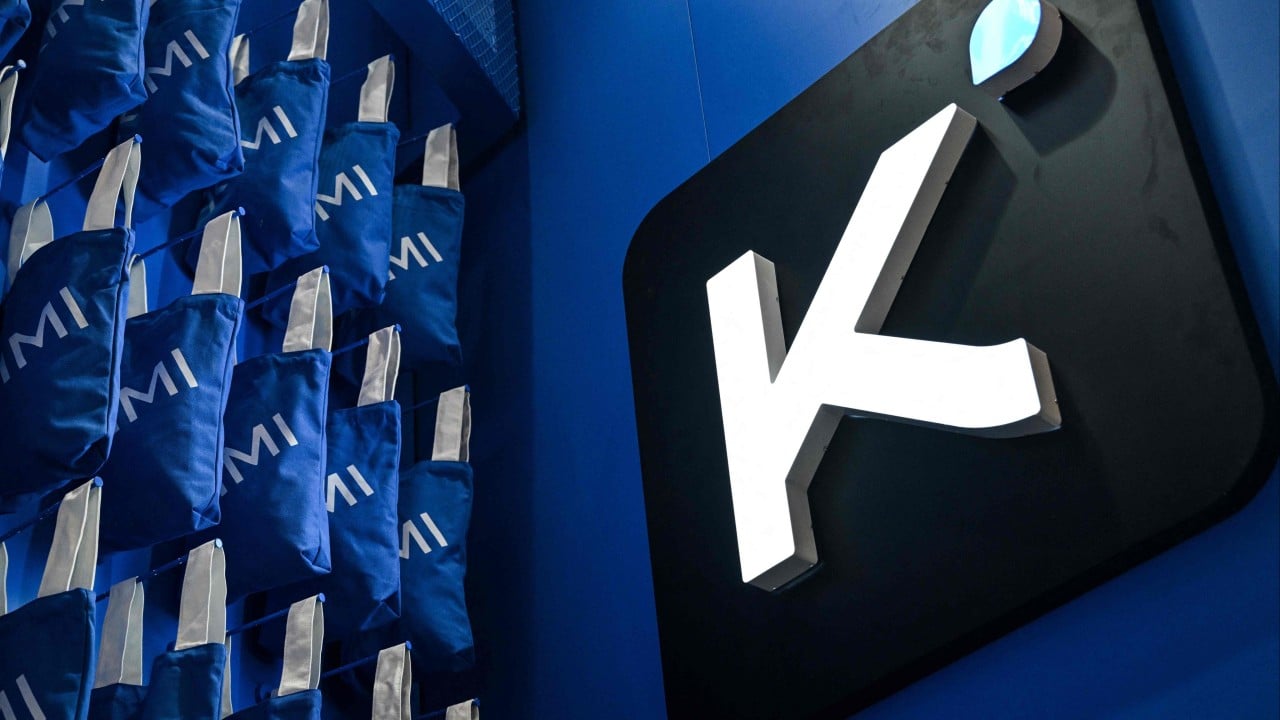
When Chinese lab Moonshot AI dropped the weights for Kimi K3, it didn't just rattle the tech indexes. It triggered an open-air brawl across the American tech industry. With 2.8 trillion parameters, native multimodality, and a massive one-million-token context window, Kimi K3 matches close-source frontier models like Claude Fable and GPT-5.6 Sol on major benchmarks while remaining fully open-weight. Learn more on a related issue: this related article.
For ordinary developers, it's a dream. For Washington policymakers and major US labs, it's an existential shock. The real fight isn't just about code. It's about who controls the future economics of artificial intelligence.
The Cost Trap Driving Startups to China
If you run an AI startup, you already know the pain of API costs. Relying entirely on proprietary models from Anthropic or OpenAI eats budgets alive. You scale, your token bill explodes, and your margins evaporate. More analysis by Engadget delves into comparable views on this issue.
That is why thousands of builders jumped when open-weight models from labs like Moonshot and Zhipu arrived. You download the weights. You run them locally or host them on your own infrastructure. You bypass the paywall.
When Kimi K3 hit the scene, its performance on Artificial Analysis indices and Arena AI’s coding benchmarks proved that open models aren't just catching up anymore. They are competing at the absolute frontier.
Startups cheered. Big AI panicked.
The Washington Lobbying Machine Grinds Into Gear
As Kimi K3 gained traction, reports surfaced that companies like OpenAI and Anthropic were quietly lobbying the Trump administration to tighten restrictions on Chinese open-weight models. The narrative from US labs focused on national security risks and intellectual property theft, pointing to alleged distillation practices.
White House advisors like Michael Kratsios publicly questioned how Moonshot built its systems, citing potential rules around hardware access and distillation. But startup founders saw right through the security rhetoric.
Suhail Doshi, founder of Particle, put it bluntly to reporters: if Washington bans Chinese open models, hundreds of American startups will instantly die. It gifts a captive market right back to Anthropic and OpenAI.
The divide became impossible to ignore.
The Coalition Pushback
Silicon Valley didn't stay quiet. Over 150 tech companies, investors, and accelerators organized through the Little Tech Association to send a direct message to the White House. They urged policymakers to avoid a blanket prohibition that would kneecap American builders.
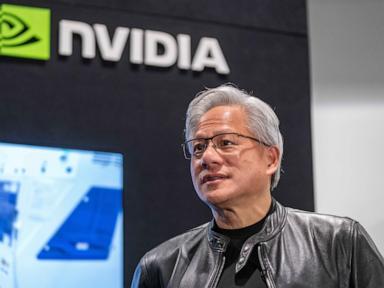
Even heavyweights split into opposing camps. Nvidia CEO Jensen Huang broke his social media silence on X to share a joint letter signed by 25 tech giants defending open weights. Microsoft joined in. Meta and IBM added their names.
Yet OpenAI and Anthropic stood apart. Sam Altman argued for American dominance across both open and closed categories, while Anthropic kept pushing for tighter controls.
The tension highlights a fundamental fracture. American labs want to monetize through closed APIs and high-margin subscriptions. Chinese labs are using open models as a distribution strategy to win developer mindshare, cloud usage, and global ecosystem dominance.
What This Means for Builders Right Now
If you are building products in this environment, don't wait for politicians to sort out the geopolitical chessboard.
You need to diversify your infrastructure strategy today. Relying on a single proprietary vendor leaves you vulnerable to sudden pricing shifts or policy changes. Keep an eye on open-weight releases from global labs, evaluate local hosting costs, and build your application architecture to be model-agnostic.
The monopoly on frontier intelligence is breaking down. Adapt before your competitors do.