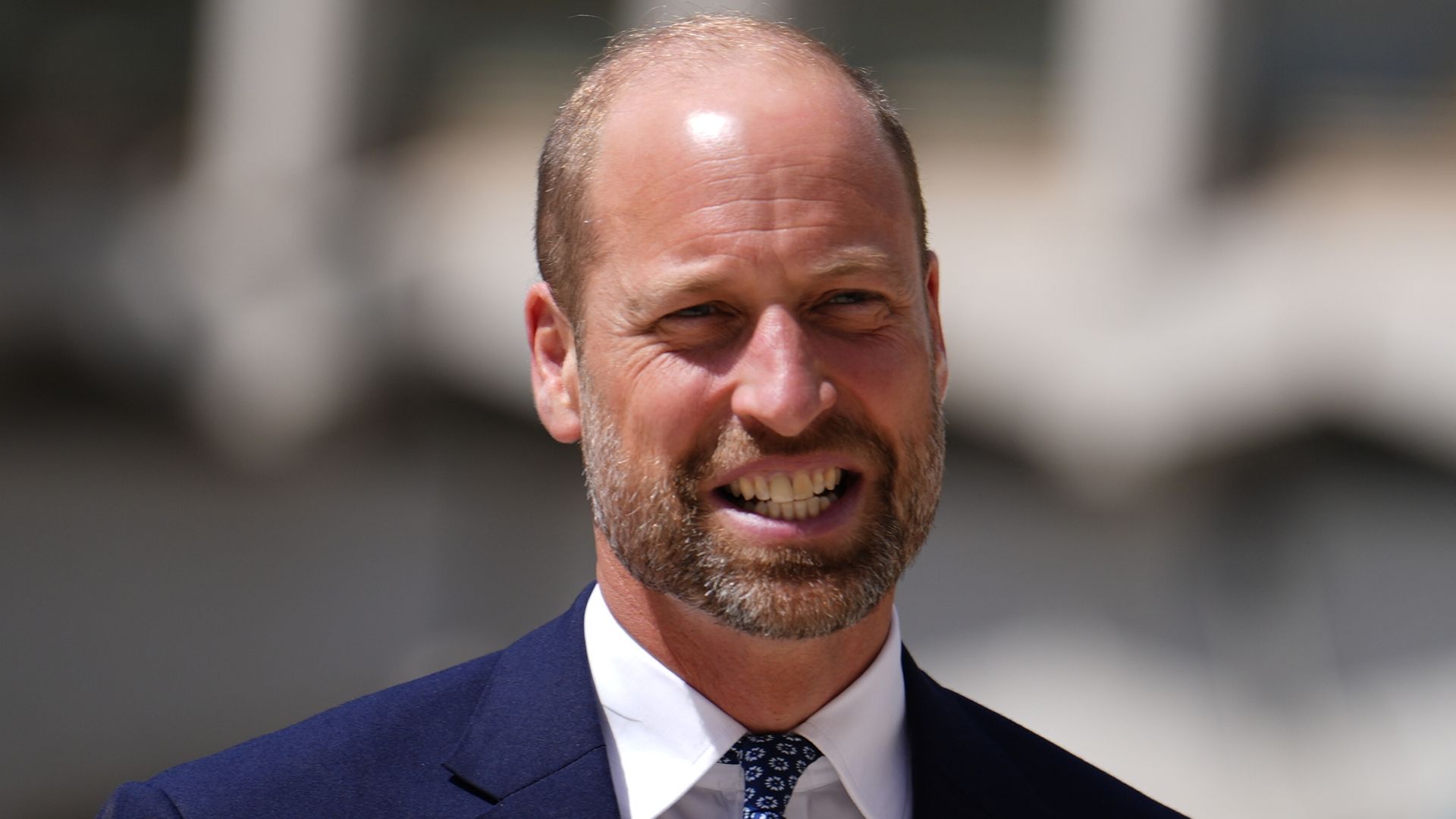
State funerals function as high-stakes diplomatic theaters where institutional continuity is visibly reinforced. When Buckingham Palace announced that the Prince of Wales will represent King Charles at the upcoming funeral of Norway's King Harald V at Oslo Cathedral, the decision was dictated by strict sovereign precedent rather than ad-hoc scheduling. Sovereign heads of state traditionally abstain from attending the personal or state funerals of foreign counterparts, bypassing these events to avoid security burdens and maintain domestic stability. This structural convention shifts the burden of representation down the dynastic chain, transforming the heir apparent into the primary instrument of foreign diplomatic continuity.
The mechanics of state representation rely on a defined hierarchy of diplomatic proximity. King Harald V reigned for 35 years, constructing an inclusive constitutional identity often described as a people's monarchy. When an institutional anchor of this tenure passes away, foreign monarchies must calculate the precise weight of their delegation. The British deployment utilizes a two-pronged approach. Prince William acts as the constitutional proxy for the British Crown, fulfilling the state obligation. Simultaneously, the Princess Royal attends in a personal capacity rooted in dynastic kinship, serving as godmother to the newly ascended King Haakon VIII. This dual structure separates official state duty from familial obligations, insulating foreign policy signals from purely sentimental interpretations. Don't forget to check out our earlier article on this related article.
Diplomatic resonance during such transitions depends heavily on historical institutional touchpoints. The British and Norwegian royal houses share direct genealogical links tracing back through common ancestors, including King Edward VII and Queen Alexandra. These long-term structural ties reduce the friction of international relations between northern European constitutional monarchies. State visits, such as the 2018 official tour where King Harald hosted William and Catherine, serve as diplomatic investments. These prior engagements establish interpersonal equity that can be mobilized during periods of transition, ensuring that the transfer of power from Harald V to Haakon VIII meets minimal resistance from external partners.
Institutional survival for modern constitutional monarchies requires a delicate balance between visibility and neutrality. Harald V navigated this balance by scaling back formal pomp while retaining moral authority during crises. The transition to Haakon VIII tests the stability of this framework. By dispatching the direct heir to the British throne, London signals that the bilateral relationship remains a high-priority axis within northern European security and diplomatic networks. The cost of under-representing a strategic ally at a foundational state transition includes the degradation of soft power assets built across generations. To read more about the context here, BBC News provides an informative summary.
Execution of foreign representation at state funerals operates under strict protocol constraints. The delegation must project national continuity while remaining deferential to the host nation's mourning process. Prince William's presence at Oslo Cathedral on September 9 fulfills the baseline requirement of peer-to-peer monarchical acknowledgment without disrupting the domestic focus on the incoming sovereign. Modern statecraft demands that royal houses utilize these ceremonial obligations to reinforce alliances quietly, ensuring that personal grief translates directly into enduring geopolitical alignment.
Prince William to represent King Charles at funeral of Norway's King Harald V
This video provides context regarding the state funeral of Norway's King Harald V and the diplomatic protocols governing royal attendance.
http://googleusercontent.com/youtube_content/1



