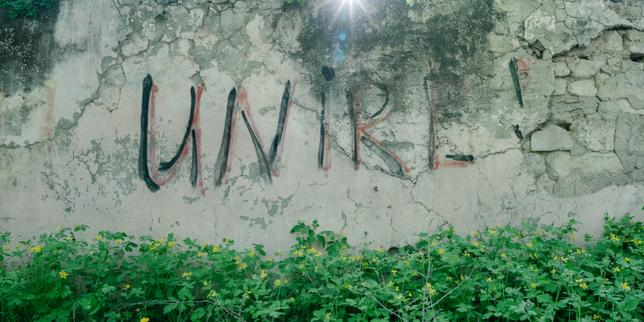
Let's stop pretending the standard European Union integration process works for every country. For a tiny, vulnerable state sitting directly in the shadow of regional conflict, waiting over a decade in the Brussels waiting room isn't just boring. It's dangerous.
Moldovan President Maia Sandu shocked political commentators by openly admitting she would vote in favor of a reunification referendum with Romania if given the chance. She didn't drop this bomb by accident. Sandu knows the 2030 timeline for Moldova independent entry into the EU is highly optimistic. With a tiny pro-EU constitutional referendum victory of just 50.46% in late 2024, the road ahead as a standalone applicant looks painfully steep.
Merging with Romania isn't some romantic nationalist daydream. It's a calculated, completely logical shortcut directly into the heart of the EU and NATO. It's time to look closely at why this backup plan makes perfect sense and what blocks it.
The Loophole for Instant European Status
If you think a country absorbing another to bypass international lines sounds unprecedented, look at German reunification in 1990. When East Germany dissolved and joined West Germany, it didn't wait in a 15-year candidate line. It automatically became part of the European Community and NATO.
International law permits peaceful border adjustments if both sovereign nations formally agree. Because Romania is already a deeply integrated EU and NATO member, a unified state would legally extend those boundaries overnight.
Think about the sheer numbers already backing this up. Roughly 850,000 of Moldova 2.4 million citizens already hold Romanian passports. That means over a third of the population possesses full EU citizenship rights. The cultural, linguistic, and religious foundations aren't just similar—they're virtually identical. The Moldovan parliament even formally corrected the name of the state language to Romanian. The legal and cultural scaffolding for a single state is largely built.
Surviving the Shadow of Moscow
A sovereign nation volunteering to merge into another might sound extreme to outsiders, but survival changes your perspective fast. Moldova is one of the poorest corners of Europe. It shares a massive 681-kilometer border with war-torn Ukraine and faces intense hybrid warfare tactics, heavy cyberattacks, and massive disinformation campaigns engineered to destabilize its fragile institutions.
Sandu admitted to international media that it's getting nearly impossible for a small country like Moldova to survive as an independent democracy under this level of pressure.
Public Support Profiles (Current Estimates)
------------------------------------------
Support for Unification in Romania: ~60-70%
Support for Unification in Moldova: ~29-35%
The issue isn't Bucharest. Romania is generally enthusiastic about welcoming its neighbors back. The roadblock lies squarely within Moldovan society itself, where only about 30% of citizens actively support giving up statehood. Most prefer the idea of entering the EU as an independent, standalone nation.
The Breakaway Problem and the Reality of Cost
You can't talk about a unified Romania and Moldova without addressing the elephant in the room: Transnistria. This breakaway strip of land remains under the control of a pro-Russian separatist regime and hosts a permanent garrison of Russian troops.
If Bucharest absorbs Moldova, it suddenly inherits a frozen conflict and hostile foreign troops directly inside its new borders. That is an absolute nightmare scenario for NATO, which explicitly avoids drawing lines around active, unresolved territorial disputes.
While some politicians float the idea of Moldova joining the EU or Romania without Transnistria, cutting the country in half is a massive logistical and constitutional mess.
Then you have the money problem. Romania is navigating its own tight budget deficits. Absorbing 2.4 million citizens who expect their salaries, pensions, and public infrastructure to immediately match Romanian standards would place a massive burden on the taxpayers in Bucharest.
Pushing the Buttons in Brussels
So, is reunification actually going to happen next week? Probably not. No active plans for economic or administrative integration are currently sitting on desks in Chisinau or Bucharest.
Instead, view Sandu public statements as a brilliant masterstroke of geopolitical pressure aimed squarely at Western Europe.
By keeping the "Plan B" of a Romanian merger alive, Moldova sends a crystal-clear warning to the European Union: If you keep us stuck in candidate limbo because of expansion fatigue or bureaucratic delays, we have another way in.
It forces European leaders to take Moldova security and integration seriously. If the West wants to prevent messy border shifts and direct territorial friction with Russian-backed enclaves, they need to fast-track Chisinau independent accession process.
If you want to track how this strategy plays out, keep a close eye on the upcoming regional infrastructure projects. Watch the expansion of Romanian energy grids and transport links crossing the Prut River. True integration doesn't start with a signed treaty or a massive referendum. It happens quietly, piece by piece, through the power grids, roads, and bank accounts that slowly tie these two nations together until a border line on a map becomes totally irrelevant.
Face à la menace russe, la Moldavie prête à devenir roumaine ? This expert panel discussion breaks down how regional security threats are forcing Moldovan leadership to rethink their long-term survival strategies.


