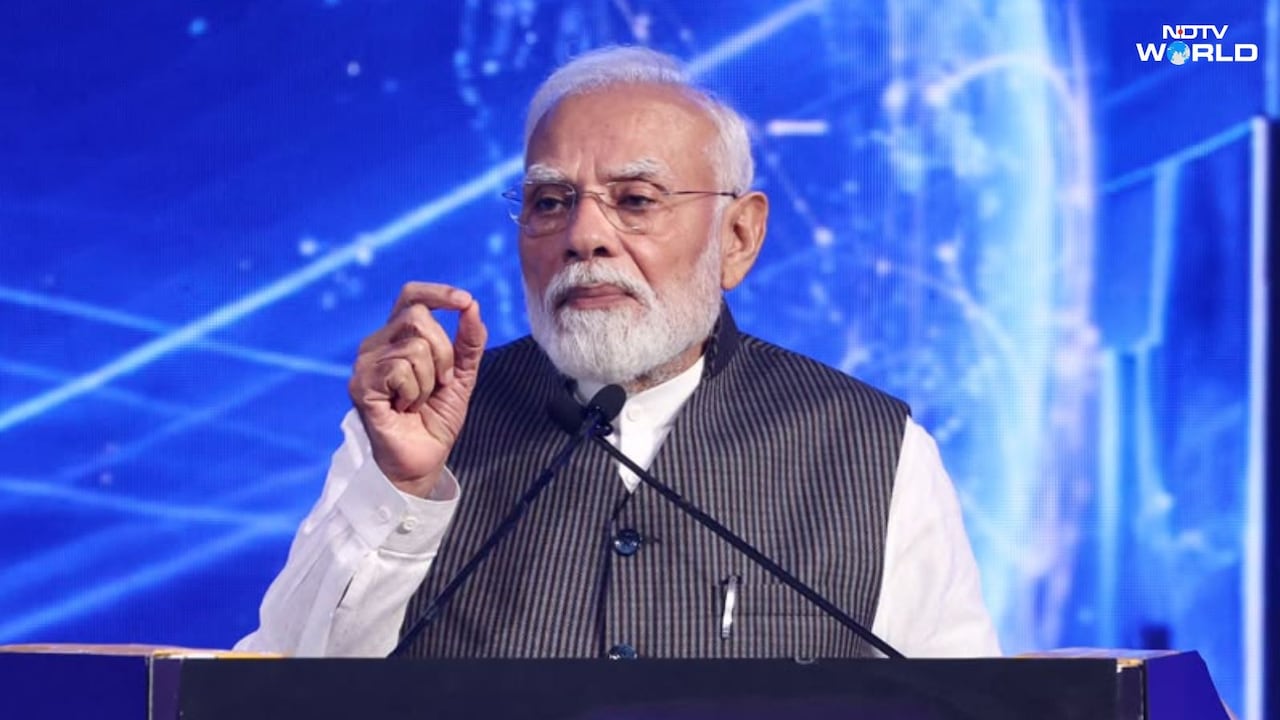
"Some are dreaming of disorder."
That line, spoken by Prime Minister Narendra Modi on the opening day of the NDTV World Summit 2026 in New Delhi on October 22, 2026, cut straight to the heart of India's sharpest political fault line. Without naming Leader of the Opposition Rahul Gandhi, Modi went after both the Congress party's repeated attempts to relaunch its principal leader and the wave of street protests surrounding electoral roll revisions. He even compared the party's endless relaunches to rocket launches, saying India doesn't see as many launches from Sriharikota in a full year as Congress makes failed attempts to package its leader.
If you're searching for what triggered the "failed product" jibe, you're really asking two bigger questions. First, what exactly did Modi say at the summit, and what political friction was happening on the ground? Second, why does this kind of rhetoric keep landing—or backfiring—in Indian politics?
Let's be honest. Political insults in India rarely stay confined to a single speech. They turn into shorthand for deeper arguments about dynastic politics, protest movements, opposition unity, and how economic numbers are read by different sides.
What Modi Actually Said At The Summit
Modi framed his remarks around a global contrast. While much of the world is searching for a new global order, he argued, certain voices inside India are pushing toward disorder. That contrast gave him a clean stage to paint the ruling establishment as steady and forward-looking, while casting opposition agitation as disruptive.
He didn't stop at a single jab. Modi accused the Congress of trying to save its family legacy from the stain of repeated electoral setbacks by questioning the country's achievements. In his telling, the family has become a weight on the party itself, pushing it toward negative politics rather than constructive alternatives.
He also took aim at the party's internal direction, alleging that what he called "dimagi Naxals" or "brain naxalites" had taken hold of Congress thinking. According to Modi, that ideological influence has sapped the party's capacity for independent judgment and turned it into a drag on genuine civil movements.
In political theater, lines like "failed product" do heavy lifting. They aren't policy briefs. They're designed to stick in clips, spark arguments on news panels, and remind swing voters of past elections where Congress struggled to convert momentum into seats.
The Street Protests Behind The Disorder Charge
Modi's warning about people "dreaming of disorder" wasn't pulled out of thin air. Ahead of and around late October 2026, street demonstrations had flared across Delhi and other parts of India over the Special Intensive Revision of electoral rolls. Protesters and opposition figures demanded the removal of Chief Election Commissioner Gyanesh Kumar over alleged irregularities in those rolls.
Here's where things got messy for the opposition. Even as Gandhi led or backed opposition pushback and condemned arrests tied to protests, friction showed up on the streets. Different groups and parties staged separate demonstrations rather than marching under one neat banner. To critics of the opposition, visible splits and street confrontation looked like disarray. To supporters, challenging administrative roll revisions was a defense of democratic fairness.
That's the classic trap around protest politics in India. When a movement stays peaceful, disciplined, and unified, it can put real pressure on governments. When demonstrations fragment or turn combative, opponents seize on the word "disorder" and ask voters if they want turbulence or stability.
Why The "Failed Product" Line Resonates And Where It Stumbles
From the BJP's playbook, calling a dynastic scion a "failed product" hits a familiar nerve. Critics of family-run parties have argued for years that leaders inherit top billing without earning it through grassroots survival, and that repeated relaunches signal a party stuck in a loop. Comparing those attempts to Sriharikota rocket launches adds dry humor—the kind of line that travels fast on social media because it's punchy and visual.
Yet there's a catch if you look closer. Calling someone a "failed product" over and over can also create fatigue among voters who don't love either side. When a ruling party spends too much energy mocking the opposition's leadership, skeptics ask why the focus isn't strictly on jobs, local governance, and everyday costs.
Still, Modi's broader critique touched on a real strategic headache for Congress. Even when the party rallies crowds or raises sharp questions on institutions, turning street energy and opposition coordination into durable electoral gains has remained tough. You can win a fierce news cycle and still lose ground if alliances wobble or messaging splits.
Economic Optimism Versus The Disaster Warning
Arguments over "order" and "disorder" quickly spill into arguments over the economy. Look at how sharply the two sides read the numbers. Reporting on economic debates around late 2026 highlighted India's real GDP growth at 7.8% for the April to June 2026 quarter, alongside an International Monetary Fund projection of 7% growth for 2027, figures defenders of the government point to as proof that India remains among the world's fastest-growing major economies.
Gandhi, speaking in the United States in November 2026, struck the opposite chord, warning that India was facing an economic disaster and arguing that the spine of the Indian economy was broken.
Both claims tell you something important about modern political communication:
- Macro numbers don't settle lived reality. A strong headline GDP rate can coexist with real anxiety over household incomes, formal job creation, or sector-specific strain.
- Extreme labels invite instant pushback. Calling a 7%-plus growth environment a "disaster" makes it easy for critics to accuse the speaker of talking down the country, just as dismissing every protest as "disorder" makes critics accuse the government of ignoring legitimate grievances.
Honestly, that gap between macro statistics and street-level frustration is where most political battles in India are fought right now. Neither side convinces everyone with slogans alone.
What Smart Readers Should Watch Next
If you're trying to cut through the noise around speeches like Modi's NDTV World Summit address, don't get stuck only on who landed the sharper zinger. Watch what actually changes on the ground:
- Track institutional follow-through on electoral rolls. Separate slogans from verifiable facts by checking official Election Commission responses, court filings, and independent reporting on the Special Intensive Revision process rather than relying on protest chants or party press releases.
- Watch opposition coordination, not just speeches. Pay attention to whether opposition groups hold joint, disciplined actions or keep running separate tracks with visible friction. Unity on paper means very little if street strategy fractures.
- Compare headline growth against concrete indicators. When you hear sweeping claims of boom or disaster, check quarterly GDP alongside employment surveys, inflation trends, and state-level budget data to see where the numbers actually bite.
- Separate personal insults from policy arguments. A jab about a "failed product" tells you about political branding; it doesn't answer how a party plans to reform institutions, create jobs, or govern a state.
Political speeches are built to make you pick a side fast. Taking five minutes to check the underlying facts keeps you from getting played by whichever side shouts louder.