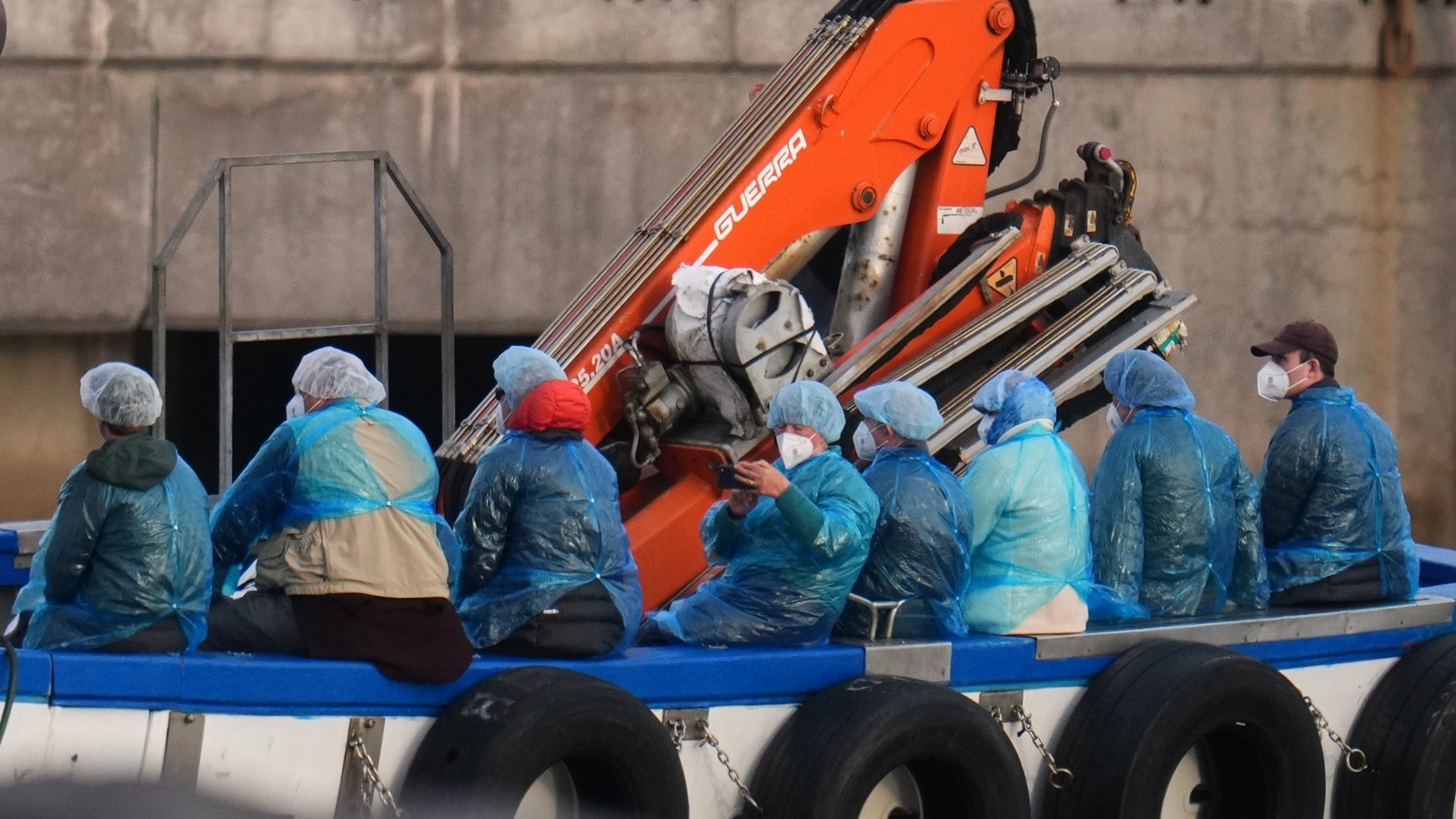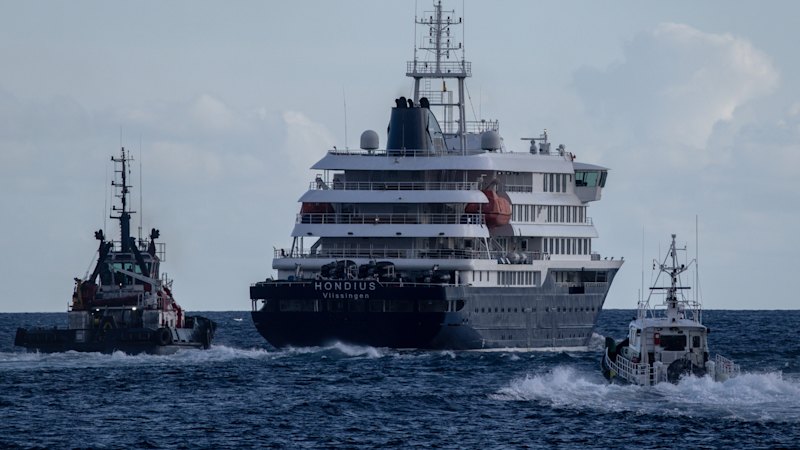
The term fever ship usually brings up grainy black-and-white images of the 1918 influenza or plague-ridden vessels rotting in a harbor. But we aren’t looking at history books anymore. We’re looking at modern cruise liners, naval vessels, and cargo ships. When a virus hits a closed environment at sea, the panic often spreads faster than the infection. You’ve seen the headlines. Thousands of passengers are stuck in cabins while authorities on shore argue about who has to take responsibility. It’s a mess.
The reality is that managing a modern-day fever ship isn't just about medicine. It’s about logistics, psychology, and a massive dose of common sense that seems to go out the window the moment a "red flag" is raised. If we don’t get a grip on how to handle these maritime health crises, we’re going to keep repeating the same expensive, traumatic mistakes.
The Physical Reality of Infection at Sea
A ship is basically a floating tube of shared air. Even with the best HVAC systems, you have people eating in the same dining rooms and touching the same handrails. It’s an incubator. When an outbreak occurs, the immediate reaction from port authorities is usually "keep them away." While that protects the people on land, it can turn the ship into a pressure cooker.
Think about the Diamond Princess. That wasn’t just a quarantine; it was a laboratory for how not to handle a respiratory virus. Data later showed that the infection rate on the ship was higher than it would have been if people had just been allowed to disembark and isolate in controlled facilities on land. Keeping sick people and healthy people trapped in a steel box isn't a strategy. It's a failure of imagination.
Why Air Filtration Matters More Than Hand Sanitizer
We spent years obsessing over scrubbing every surface. We wiped down grocery bags and doused our hands in alcohol. On a ship, the real enemy is the air. Modern ships use High-Efficiency Particulate Air (HEPA) filters, but those only work if the air is actually moving through them at the right rate. Many older vessels or smaller cargo ships don't have these setups.
If you're on a ship and an outbreak starts, the best thing you can do isn't just washing your hands. It's ensuring your cabin has some form of fresh air flow, if possible, and staying out of common areas where the air is recycled. The science is clear: ventilation is the heavy lifter in preventing mass spread.
The Logistics of Calm
Panic is a choice. When a captain announces a lockdown, the psychological clock starts ticking. If people don't know when they're getting off or how they'll get food, they snap. This is where common sense comes in.
Local governments and port authorities need a "playbook" that isn't just a "No Entry" sign. We need pre-designated ports that have the medical infrastructure to handle a surge. You can't just expect a small island town to take in 3,000 potentially infected tourists. That’s a recipe for disaster. But leaving them at sea for weeks? That’s a human rights issue.
Lessons from the Front Lines
During the height of maritime lockdowns, I saw two very different approaches. One ship had a captain who gave hourly updates, even if there was no new news. He talked about the food supply. He talked about the mechanical health of the ship. He kept people grounded.
Another ship went silent. The crew stayed in their quarters. The passengers started a near-riot over cold sandwiches.
Management of a fever ship is 20% medicine and 80% communication. People can handle a lot of discomfort if they feel like someone is actually in charge. When the leadership goes dark, the rumors take over. And on a ship, rumors are toxic.
Moving Past the Stigma of the Fever Ship
We need to stop treating these ships like they’re leper colonies. The shipping industry is the backbone of the global economy. If cargo ships start getting turned away from every port because one crew member has a fever, the supply chain breaks. It's that simple.
Port states have a legal and moral obligation under the International Health Regulations (2005) to provide a "place of safety" for ships in distress. A virus is a form of distress. Turning a ship away doesn't make the virus disappear; it just makes it someone else’s problem, and usually, that "someone else" is less prepared than you are.
Practical Steps for the Maritime Industry
- Standardize Isolation Suites: Every large vessel needs a block of cabins with independent ventilation systems. This should be a manufacturing standard, not an afterthought.
- Rapid On-Board Testing: We have the technology now. Ships shouldn't be waiting for a week for a lab on land to process samples. They need PCR-quality results in hours, on-deck.
- Clear Port Agreements: Shipping companies should have pre-arranged contracts with specific ports that agree to handle medical disembarkations. No more "floating orphans" looking for a place to dock.
Dealing With the Human Element
If you find yourself on a ship that’s being held at anchor, you have to manage your own mental state. It’s easy to spiral. Honestly, the best thing you can do is establish a routine. Wake up at the same time. Exercise in your cabin. Limit your intake of news and social media, which will inevitably be filled with "doom-scrolling" content about your specific ship.
The crew is usually more stressed than you are. They're working double shifts and worrying about their families back home. A little bit of patience goes a long way. I’ve seen passengers berate 20-year-old servers because the Wi-Fi was slow during a quarantine. Don't be that person.
The Future of Maritime Health
We’re going to see more of this. As the world stays connected, viruses will continue to hitch rides on our fastest modes of transport. The answer isn't to stop sailing. The answer is to stop being surprised when it happens.
We need a shift in how we view maritime boundaries. A ship in your waters is part of your jurisdiction. You own the problem the moment they drop anchor. If we treat these situations with clinical efficiency instead of political fear, we can clear a ship in days instead of months.
Stop looking for a "perfect" solution where no one ever gets sick. It doesn't exist. Instead, look for the most sensible path to get people onto dry land, into isolation, and toward recovery. Anything else is just theater.
Get your own travel insurance that specifically covers "quarantine at sea." Check the ventilation specs of the ship you’re booking. Demand transparency from the cruise line or your employer before you ever step onto the gangway. You have more power as a consumer and a worker than you think. Use it to force the industry to grow up.