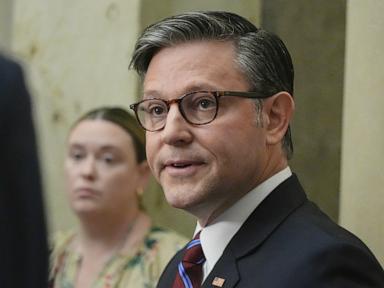
Campaign stops in rugged battleground districts rarely go according to script. When then-House Speaker Mike Johnson rolled into Maine's sprawling second congressional district, he walked into an atmosphere thick with political tension. Pundits were sounding alarms, polls were tightening, and skeptics openly questioned whether the House GOP could hold their fragile majority against a rising Democratic tide.
Instead of addressing the systemic cracks in his party's midterm strategy, Johnson chose defiance. He looked past the flashing warning lights, dismissed the doubters, and insisted that history was about to be rewritten. Recently making headlines lately: Automatic Body Camera Activation in Immigration Enforcement Why Trigger Design Dictates Accountability.
We know how that story ended.
The Strategy Behind the Maine Push
Why Maine? Why spend precious hours in a territory where every single vote requires a knife-fight campaign? Further details regarding the matter are explored by Reuters.
The second district of Maine has long been a fascinating political petri dish. It is fiercely independent, economically anxious, and tired of establishment narratives. When Johnson touched down to rally local candidates and shore up support, he was trying to project an image of unstoppable momentum.
He told small gatherings over pub lunches that the polling was entirely off base. He argued that voters cared more about the Republican legislative record than the gloomy forecasts dominating cable news. But talking loudly about momentum doesn't manufacture actual enthusiasm on the ground.
Critics within his own camp warned that the leadership was misreading the room. Voters weren't looking for standard partisan talking points; they wanted answers on inflation, healthcare access, and regional economic stability. By brushing off the skeptics, Johnson missed a vital chance to course-correct before the electoral map shifted irrevocably.
What the Leadership Missed
Stubborn optimism is a required trait for any politician holding the gavel, but there's a fine line between optimism and delusion.
Throughout the 119th Congress, House Republicans pushed through an enormous volume of bills, only to watch them stall in a divided Washington gridlock. Leadership frequently blamed Senate obstruction for legislative roadblocks, hoping that voters would reward them simply for trying.
That argument falls flat when people are worried about their everyday grocery bills. In battleground areas like Maine, constituents don't care about procedural scorekeeping. They care about tangible outcomes. When top officials roll into town and dismiss local anxiety as mere noise, it alienates the exact independent voters who decide close elections.
The Aftermath of Defiance
The midterm results didn't just surprise Johnson; they reshaped the entire architecture of congressional leadership. The map broke against the GOP, turning the speaker's bold predictions into a painful lesson on the cost of ignoring real-time feedback.
When you refuse to listen to skeptics, you also refuse to fix the vulnerabilities that sink campaigns. Ignoring data doesn't make it disappear. It just ensures that when the reckoning arrives, it hits twice as hard.
Politicians would do well to remember that confidence without a listening ear is just noise. If you're too busy telling voters they're wrong about what they feel, don't be surprised when they show you at the ballot box.
Mike Johnson vows GOP comeback after midterm losses
This video explores how House leadership reacted to midterm losses and vowed to rebuild after losing control of the chamber.