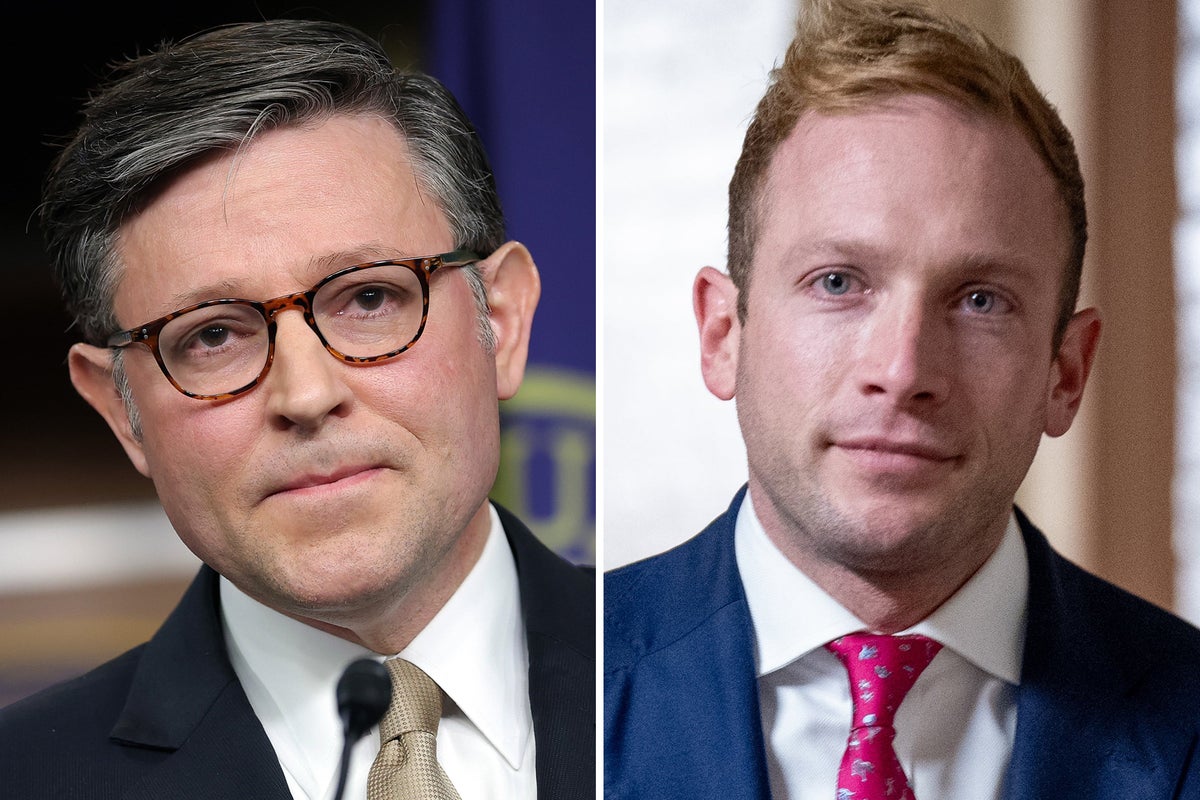
Politics is messy. It's often brutal. But sometimes, a single comment from a congressional leader pulls back the curtain on how power structures really operate. House Speaker Mike Johnson recently brushed off serious allegations involving former congressional aide and politician Max Miller with a casual shrug. He called it just another one of those domestic events happening out there. That response isn't just tone-deaf. It's a textbook example of institutional deflection.
When high-profile figures face intense scrutiny, the playbook rarely changes. Leaders either offer a full-throated condemnation or they minimize the damage. Johnson chose the latter. By framing troubling personal allegations as routine domestic noise, leadership effectively signals that accountability takes a backseat to political loyalty and party unity. You have to wonder where the line gets drawn. If serious misconduct allegations are written off as background static, what actually triggers a real response in modern Washington?
The Anatomy of Political Deflection
Let's look at how this happens. When news breaks about a colleague or a close ally, party leadership faces immediate pressure from the media and the public. The standard reflex is self-preservation. Officials calculate the political cost of speaking out versus staying silent.
Mike Johnson's dismissal of the Max Miller situation fits right into this pattern. Instead of addressing the core of the accusations, the response shifts the frame. It normalizes bad behavior by painting it as a common occurrence. Think about how damaging that is. It tells victims that their stories matter less than legislative calendars or committee assignments.
- Minimization: Labeling severe personal misconduct as a standard domestic dispute.
- Deflection: Shifting focus away from the individual's actions and onto broader political distractions.
- Protection: Shielding allies from immediate consequences to maintain voting blocs and internal harmony.
Why Public Frustration Is Reaching a Boiling Point
People are tired of this. You don't need a degree in political science to see the double standard. If an ordinary worker behaves a certain way or faces similar allegations in the corporate world, the fallout is swift. HR departments step in. Investigations launch. Termination follows.
Politicians operate under a different set of rules. They live in a bubble where accountability is optional. When top lawmakers like Johnson brush off concerning behavior with a wave of the hand, it deepens public cynicism. It widens the gap between everyday citizens and the people writing the laws.
Max Miller isn't an isolated case. Congressional offices have grappled with behavioral scandals for decades. Yet, leadership responses remain remarkably consistent. They hunker down, wait for the news cycle to shift, and hope voters forget.
What Accountability Actually Looks Like
Real leadership requires courage. It means holding friends to the same standard you would hold strangers. If allegations are serious enough to make headlines, they deserve a transparent review. Sweeping things under the rug only delays the reckoning.
Next time you hear a politician dismiss a controversy as background noise, pay attention. They aren't just defending an individual. They're defending a system that protects power at all costs. True reform won't come from the top down until leaders realize that looking away does more damage than facing the truth head-on.