The Weight of a Midnight Desk
Coffee goes cold faster in December when the room smells like stale paper and anxious breath.
Across a mahogany table that has seen too many compromises, two delegations stare at clocks that refuse to slow down. Outside, the snow falls thick and silent over the concrete barriers of Washington. Inside, the air is thin. Every jacket is unzipped halfway; every tie is loosened.
They are arguing over fractions of a percent, over definitions of steel content, over paragraphs that sound dry as dust until you realize what they actually mean.
A tariff is never just a number written by an economist. A tariff is a hammer.
Meet Elena. (Note: Elena is a composite character based on mid-level manufacturing managers navigating recent trade disputes.) She runs a machine shop in Ontario. Her grandfather built it with thirty lathes and a handshake. Today, those lathes hum twenty-four hours a day, spitting out specialized hydraulic fittings that end up inside tractors rolling off assembly lines in Ohio. She employs forty-two people. She knows their kids' names. She knows who is struggling to pay for braces and who just bought their first beat-up pickup truck.
When negotiators in distant capitals start talking about impending deadlines and retaliatory duties, Elena does not check stock market tickers. She checks her email.
She checks to see if the price of raw cold-rolled steel is about to jump twenty-five percent. If it does, her margins—already razor-thin after years of supply chain whiplash—evaporate by Tuesday morning.
The Clock is Ticking
Negotiators call it a deadline. To the people living downstream, it is a cliff.
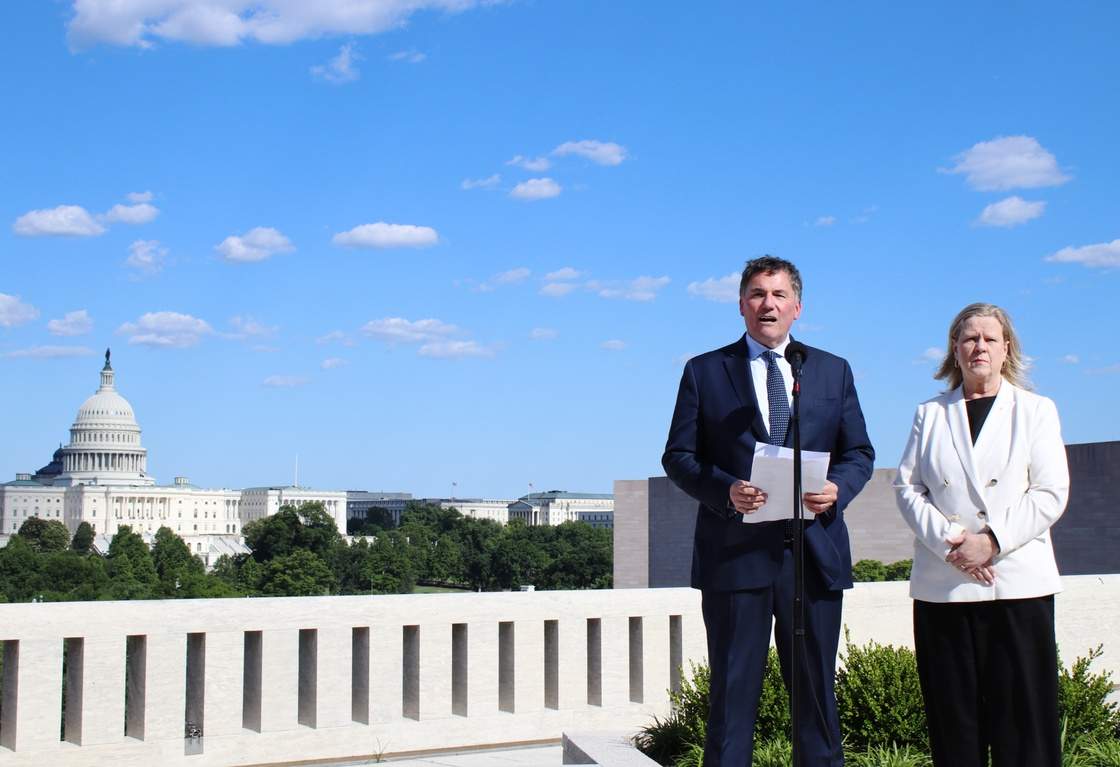
The meetings between Canadian and U.S. officials are happening behind closed doors for a reason. Diplomacy is messy. It requires posturing, quiet threats, and sudden compromises made in windowless conference rooms at three in the morning. The current sticking points are familiar ghosts: automotive rules of origin, dairy quotas, and the perennial shadow of unilateral protectionism.
Every time a minister steps out to brief reporters, the language is carefully measured. Constructive talks. Progress is being made. Hard work remains.
Translate that through the lens of reality: someone is refusing to budge on dairy classifications, and someone else is threatening to walk away unless structural carve-outs are honored.
Consider what happens next if they fail.
It starts with a headline on a Tuesday. By Wednesday, freight forwarders are rewriting contracts. By Thursday, small business owners like Elena are sitting at their kitchen tables at midnight, staring at spreadsheets, trying to figure out if they can absorb the cost increase or if they have to lay off the kid they just hired out of trade school.
Trade agreements are built by politicians, but they are lived by mechanics, truckers, farmers, and clerks.
The Invisible Pipeline
We forget how thoroughly stitched together these two countries are. We look at maps and see a bold black line cutting across lakes and forests, pretending it is a wall. It is not a wall. It is a sieve.
Every single day, millions of dollars in raw materials, sub-assemblies, and finished goods cross that border multiple times before a final product is sold. A car door might be stamped in Michigan, painted in Ontario, fitted with electronics from Silicon Valley, and bolted onto a chassis in Windsor.
When a tariff threat drops like an anvil, it fractures that rhythm. It introduces friction into a machine that was built to run frictionless.
Elena tells a story about last year’s scare. A shipment of specialized alloy was held up at the Ambassador Bridge for four days over a paperwork dispute regarding country-of-origin verification. Four days. Her primary CNC machine sat idle for ninety-six hours because a customs agent five hundred miles away needed clarification on a sub-clause in a trade chapter written by lawyers who had never set foot on a shop floor.
Her revenue dipped thirty percent that month. She didn't buy new safety equipment. She delayed her own salary.
That is the hidden cost. It does not show up in quarterly GDP reports until the damage is already baked into the economy.
The Art of the Brink
Why do they always wait until the final hour?
It is human nature, scaled up to international proportions. No politician wants to blink first. To compromise early is to look weak. To hold out until the deadline is to project strength, even if everyone in the room is sweating through their shirts.
The current talks are no different. Both sides know the stakes. The U.S. economy cannot easily sever its northern supply lines without triggering inflation spikes in critical sectors like automotive and construction. Canada cannot afford to lose frictionless access to its largest export market without watching entire regional economies buckle.
They are chained together in a canoe heading toward white water. They know it. They just disagree on who should be holding the paddle.
Back in the conference room, the coffee is gone now. Someone has brought in lukewarm tea and stale pastries.
Papers are shuffled. A phone buzzes on the table—a text from a chief of staff, or a prime minister, or a president, asking if there is a deal yet.
The room goes quiet.
Across the continent, thousands of people like Elena keep working through the dark, trusting that somewhere, in a room without windows, someone remembers that a trade deal is supposed to protect the people who build things, not just the people who write the rules.
The coffee cup is empty. The clock ticks down.