Pakistan’s leadership didn’t expect their high-level strategy session to be upstaged by a massive naval movement thousands of miles away. While top generals and politicians sat in Islamabad trying to figure out how to de-escalate a regional firestorm, the US Navy sent a loud, metallic message through the world's most narrow chokepoint. Two American warships steamed through the Strait of Hormuz. It wasn't just a routine patrol. It was a cold splash of reality for every nation in the region.
You've got to understand the timing here. Pakistan is currently walking a tightrope that's thinner than ever. They share a border with Iran. They have a complicated, often transactional relationship with the United States. They’re trying to prevent a total regional collapse that would wreck their already fragile economy. Then, right as they're discussing peace, the USS Abraham Lincoln carrier strike group or its supporting destroyers make their presence felt. It basically told everyone in the room that while they talk, the real hardware is already in position.
Why the Strait of Hormuz dictates Pakistan's internal policy
The Strait of Hormuz is barely 21 miles wide at its narrowest point. About a fifth of the world’s total oil consumption passes through here daily. For Pakistan, a country struggling with crippling inflation and energy shortages, any hiccup in this narrow stretch of water is a death sentence for their budget.
If Iran and Israel go to a full-scale war, or if the US gets dragged into a direct maritime conflict, the Strait closes. When that happens, oil prices don't just go up—they explode. Pakistan’s high-level meeting wasn't just about being a "good neighbor" or a peacemaker. It was about survival. They know they can't afford $150-a-barrel oil. They can't afford the shipping insurance hikes that come with war zones.
The US understands this pressure point perfectly. By moving warships through the Strait during these diplomatic talks, Washington reminded everyone—Tehran and Islamabad included—who actually controls the global energy flow. It's a power move that renders most "diplomatic discussions" secondary to military positioning.
The awkward position of the Pakistani military right now
Pakistan’s military elite has a history of playing both sides. They need American F-16 parts and IMF loans. At the same time, they can’t afford to alienate a prickly, nuclear-adjacent Iran right next door. During this high-level meeting, reports suggest the focus was on how to keep the Iran-Israel friction from spilling over into Pakistani territory.
Think about the Sistan-Baluchestan border. It’s already a mess of insurgents and cross-border skirmishes. If the US starts launching strikes from those warships in the Strait, Iran might lash out at "US allies" in the region. Pakistan doesn't want to be on that list. But they also can’t tell the US to go away. It’s a messy, uncomfortable reality.
I’ve seen this play out before. When the US flexes its naval muscle, it forces regional players to pick a side or at least stop pretending they're neutral. The presence of those ships effectively cut through the diplomatic fluff of the Islamabad meeting. It forced the Pakistani leadership to realize that their "peace plans" are only as good as the US Navy allows them to be.
Logistics of the naval movement that shocked the region
The ships didn't just drift through. These are highly coordinated maneuvers involving destroyers, likely the Arleigh Burke-class, which are loaded with Aegis combat systems. They’re designed to track hundreds of targets simultaneously. When two of these move through a space as tight as Hormuz, they’re essentially telling Iranian coastal batteries, "We see you, and we’re ready."
For the Pakistani officials sitting in their air-conditioned boardrooms, this news was a gut punch. It signaled that the window for "talk" might be closing. The US isn't sending warships for a parade. They're positioning for intercepting missiles or launching retaliatory strikes.
What the meeting in Islamabad was actually trying to achieve
The meeting involved the top brass. We're talking about the folks who actually run the country behind the scenes. Their goals were straightforward but nearly impossible:
- Finding a way to signal to Iran that Pakistan won't allow its soil to be used for US operations.
- Assuring the US that Pakistan remains a "stabilizing force" to keep the aid flowing.
- Drafting a contingency plan for a massive influx of refugees if the Middle East truly goes dark.
Then the notification hit their phones. US ships in the Strait. It changed the tone from "How do we lead a peace process?" to "How do we stay out of the way of the giants?"
The Iran factor and the risk of miscalculation
Iran views the Strait of Hormuz as its own backyard. Any US movement there is seen as a direct provocation. For Pakistan, this is a nightmare. They've spent years trying to finish a gas pipeline with Iran that the US keeps blocking with sanctions.
When those warships passed through, they essentially reinforced the blockade. It told Pakistan that the US is doubling down on its "maximum pressure" or "maximum presence" strategy. Honestly, it makes the Pakistani government look weak to its own people. The public sees the US moving freely in the region while their own leaders are stuck in meetings that don't seem to change the reality on the water.
Why this isn't just another routine patrol
People like to say, "The US always has ships there." That’s true, but the composition and the timing matter. Moving two major combatants through during a period of peak tension between Israel and Iran is a deliberate escalation of "deterrence."
The US is trying to prevent a wider war by looking like they’re ready for one. Pakistan is trying to prevent a wider war by talking about it. The problem is that hardware usually speaks louder than handshakes. The Pakistani leadership knows that if a single missile is fired in that Strait, their meeting becomes irrelevant. Their economy becomes irrelevant. Everything shifts to a war footing.
Economic ripples that Islamabad can't ignore
Let’s get real about the numbers. Pakistan’s foreign exchange reserves are often just enough to cover a few weeks of imports. If the Strait of Hormuz gets spicy, the cost of freight and oil will drain those reserves in days.
The high-level meeting was likely a desperate attempt to find a middle path. They want to be the mediator because mediators usually get paid—or at least get their debts forgiven. But you can't mediate when one side is moving carriers and the other is prepointing ballistic missiles.
What happens next on the ground
Pakistan will likely continue its public calls for "restraint." It’s their standard playbook. Behind the scenes, expect them to quietly coordinate with both US CENTCOM and Tehran to ensure no "accidental" incidents happen on the Pakistani border.
They’re also going to have to look at their energy security. This naval movement is a reminder that relying on a single, volatile region for energy is a recipe for disaster. But they don't have many other options right now.
If you’re watching this situation, don't look at the press releases coming out of Islamabad. Look at the ship tracking data in the Persian Gulf. Look at the price of Brent Crude. Those are the real indicators of whether Pakistan’s "high-level meetings" actually accomplished anything or if they were just shouting into a hurricane.
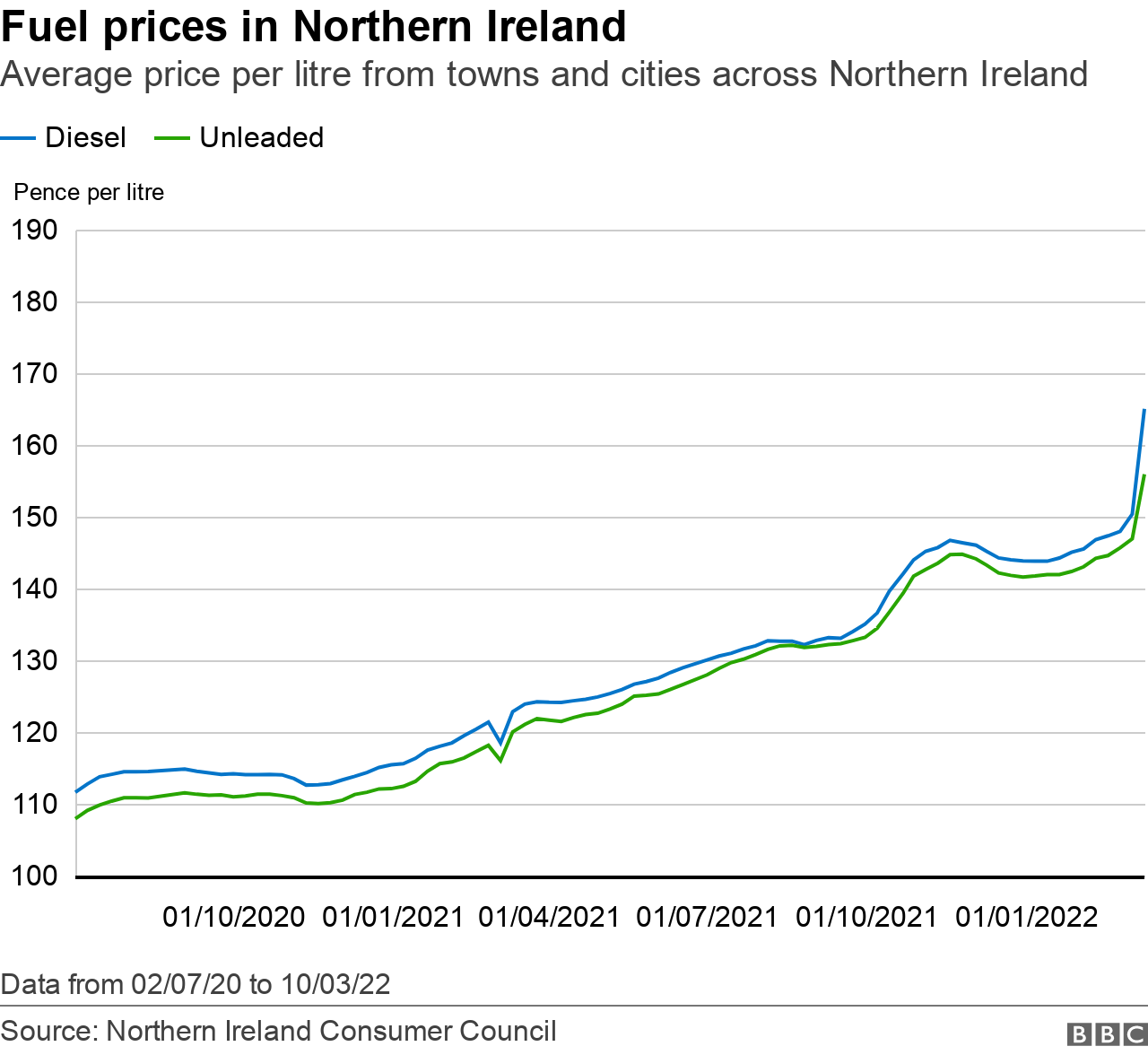
The next move isn't in a meeting room. It’s on the deck of a ship or in a missile silo. Pakistan is just trying to make sure they aren't the ones caught in the crossfire when the talking stops. Keep an eye on the fuel prices at your local pump; that's where the result of this naval standoff will actually hit you. If the ships stay, the tension stays. If the tension stays, Pakistan’s recovery is on hold indefinitely.
Watch the naval transit logs. That’s the only news that matters right now.