Your portfolio probably looks like a crime scene right now. If you've checked your demat account lately, you aren't alone in feeling that sinking sensation in your stomach. In just one week, the Indian stock market didn't just dip—it suffered a massive, systematic wealth destruction that wiped out roughly $240 billion (about ₹22 lakh crore) in investor value.
The reason? A geopolitical powder keg in the Middle East that finally blew. When the U.S. and Israel launched strikes against Iran on February 28, 2026, the shockwaves didn't stay in the desert. They traveled straight to Dalal Street. This isn't just about red numbers on a screen; it's a fundamental shift in how the world views risk as we head deeper into the year.
The Strait of Hormuz is the world's jugular vein
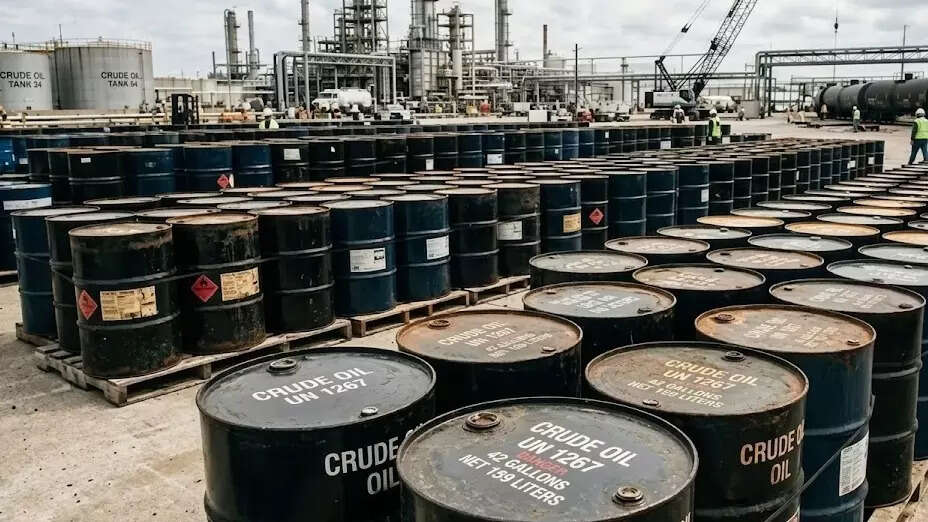
India is the world's third-largest importer of crude oil. That's a statistic most people ignore until things go wrong. About 20% of the world's oil flows through the Strait of Hormuz. With Iran threatening a total blockade and GPS jamming affecting over 1,100 ships daily, the "risk premium" on oil has exploded.
Brent crude didn't just climb; it went vertical, briefly crossing the $100 per barrel mark and even touching $120 in panic trades. For an economy like India’s, this is a macro nightmare.
- Imported Inflation: Everything you buy—from your morning milk to your Amazon delivery—gets more expensive when fuel costs spike.
- The Rupee Slide: As we scramble to buy expensive oil, the rupee has weakened past ₹92.5 per dollar. A weak rupee makes every other import more expensive, creating a nasty feedback loop.
- The Trade Gap: India's current account deficit (CAD) is widening. Every $10 jump in oil prices adds billions to our national bill.
Why the selling felt so violent
If you felt like the floor fell out from under the market, it's because it did. The Sensex plummeted over 2,400 points in a single morning session on March 9. The Nifty 50 crashed below the 24,000 mark.
Foreign Portfolio Investors (FPIs) are the ones driving the exit. When war breaks out, global fund managers don't wait to see "how bad it gets." They sell emerging markets like India first and ask questions later. They pulled out over ₹52,704 crore in the first half of March alone. They’re moving that cash into "safe havens" like gold and US Treasuries. Honestly, can you blame them? Gold is currently trading near all-time highs as everyone looks for a place to hide.
Sectors taking the hardest hits
It’s a bloodbath for any company that uses oil or gas as a raw material.
- Aviation and Logistics: IndiGo and SpiceJet are bleeding because jet fuel is their biggest cost. If oil stays high, ticket prices go up, and people stop flying.
- Paints and Chemicals: Companies like Asian Paints use oil derivatives for almost everything they make. Their profit margins are getting squeezed in real-time.
- Automobiles: High fuel prices make people think twice about buying that new SUV. Maruti and M&M are seeing significant selling pressure as a result.
The valuation problem nobody wants to talk about
Even after this crash, Indian stocks aren't exactly "cheap." The Nifty 50 still trades at a price-to-earnings (P/E) ratio of around 21.2. Compare that to China at 10.2 or Brazil at 11.5.
We’ve been trading at a premium for years because India was the "bright spot" in a global slowdown. But when a war breaks out, that premium starts to look like a liability. Global investors are realizing they can buy other markets for half the price, and that’s why the recovery might take longer than you’d hope.
Stop checking your app every five minutes
The worst thing you can do right now is panic-sell at the bottom. History tells us that geopolitical shocks usually lead to V-shaped recoveries, but this one feels different because of the energy supply threat.
The immediate next step isn't to buy the dip blindly. You need to check your exposure. If your portfolio is 80% small-caps and "war-sensitive" sectors like paints or airlines, you're in for a rough ride. Look for companies with low debt and those that can pass on costs to customers—like FMCG or select IT firms that benefit from a stronger dollar.
Watch the India VIX. It’s currently hovering near 20%, which means the roller coaster isn't over. Keep some cash on the sidelines. You don't need to be a hero today. Wait for the oil prices to stabilize below $90 before you start putting serious money back into the market.
Move your focus away from the daily noise and toward the Strait of Hormuz updates. Until ships start moving freely again, Dalal Street will remain on edge. Don't let a one-week crash ruin a ten-year plan, but don't ignore the fact that the global map just changed.