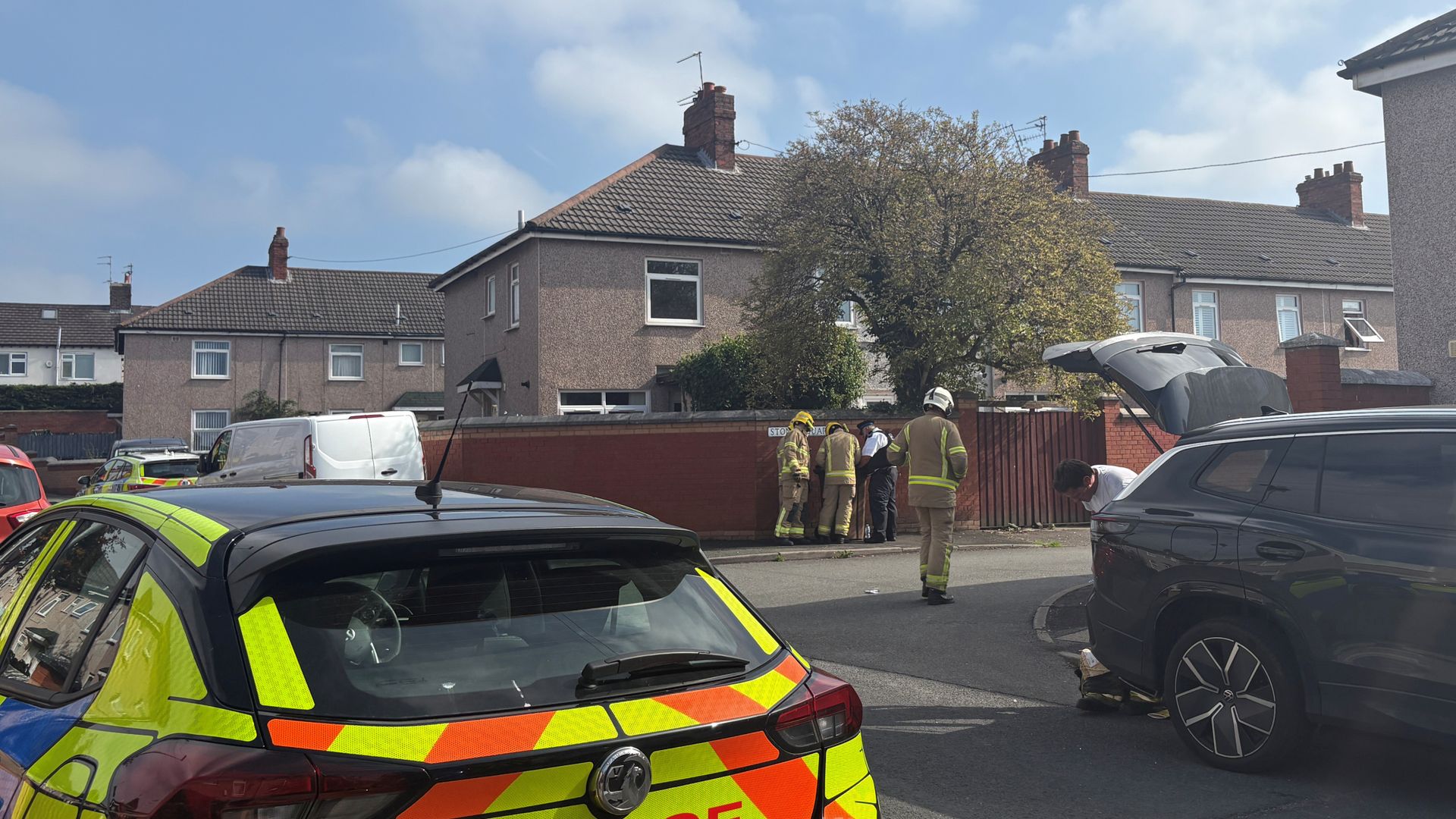
Four lives extinguished in a single nocturnal inferno on a quiet residential street in Merseyside force an uncomfortably harsh spotlight onto the grim realities of modern domestic fire safety. A woman and three children perished inside a burning house, leaving a community reeling and investigators sifting through scorched floorboards to understand how a home transformed into a death trap in a matter of minutes. When emergency services arrived, the scale of the disaster was already absolute. Public grief follows instantly, replaced by the harder, colder questions about smoke alarms, structural containment, response logistics, and the silent speed of residential fire.
The mechanics of a residential fire are widely misunderstood by the public. Popular culture portrays fires as slow-moving walls of bright orange flame that give occupants ample warning to escape. Reality is far more brutal. Modern household contents, synthetic fabrics, polyurethane furniture foam, and engineered wood products burn hotter and faster than traditional organic materials ever did. Within seconds of ignition, a localized flame can flashover into an all-consuming environment of toxic smoke and superheated gas. Carbon monoxide and hydrogen cyanide render victims unconscious long before actual flames touch their skin. In the Merseyside tragedy, the speed at which toxic gases filled the living spaces dictated the fatal outcome before neighbors even realized what was unfolding.
Investigating domestic fires requires looking beyond the immediate charred remnants to examine the systemic vulnerabilities that turn ordinary houses into hazards. Building regulations dictate fire-resistant materials, yet older housing stock across Merseyside and the wider United Kingdom often lacks modern containment barriers. Open-plan layouts, while architecturally popular, remove the traditional fire doors that historically bought precious minutes of evacuation time. Smoke alarms save lives, but only if they feature working batteries, are properly positioned, and are not disabled by residents frustrated by nuisance activations from cooking. Investigators working the Merseyside scene must determine whether early warning systems functioned, whether escape routes were compromised, and what specific ignition source triggered the disaster.
Local authorities and fire rescue services repeatedly push prevention campaigns, yet messaging frequently fails to penetrate high-risk households. Economic pressures compound the danger. As energy costs soar, families turn to alternative, sometimes dangerous heating methods, or delay maintenance on faulty electrical wiring and aging appliances. The socio-economic profile of neighborhoods heavily influences residential fire risk. Deprived areas often feature a higher concentration of rented properties where landlords lag on safety upgrades or tenants lack the agency to demand comprehensive fire risk assessments. Understanding the Merseyside incident demands acknowledging these uncomfortable economic realities rather than dismissing the tragedy as an unpredictable fluke.
Emergency response times remain a critical variable in survival rates, yet fire services face a decade of severe funding cuts, station closures, and resource stretching. When seconds separate life from death, the difference between a fire engine arriving in five minutes versus eight minutes is catastrophic. Central government austerity measures have forced fire and rescue services to operate with fewer personnel and reduced apparatus fleets. While firefighters on the ground display extraordinary valor rushing into burning structures, structural underfunding limits preventative community outreach and routine safety inspections that could catch hazards before they ignite.
Community resilience shatters overnight in the wake of such a disaster. Neighbors become amateur first responders, haunted by the helplessness of watching a house consume itself while waiting for sirens. Schools lose pupils, workplaces lose colleagues, and an entire street is cloaked in collective trauma. Memorials of flowers and handwritten cards pile up at police cordons, a ritualized response to an incomprehensible event. Yet these tributes quickly fade from public consciousness, leaving grieving families and traumatized survivors to navigate the bureaucratic aftermath of coroner inquests, insurance claims, and the agonizing void left by sudden loss.
Preventing future tragedies requires dismantling the complacency that treats domestic fires as rare anomalies rather than systemic failures. Landlord accountability must be rigorously enforced, with severe penalties for housing providers who neglect basic fire safety infrastructure. Public awareness campaigns need to shift from passive pamphlet distribution to active, targeted intervention in vulnerable communities, ensuring every home possesses operational detection equipment and a practiced escape plan. Until society treats residential fire safety with the same urgency as major infrastructure threats, families will continue to pay the ultimate price behind closed doors.