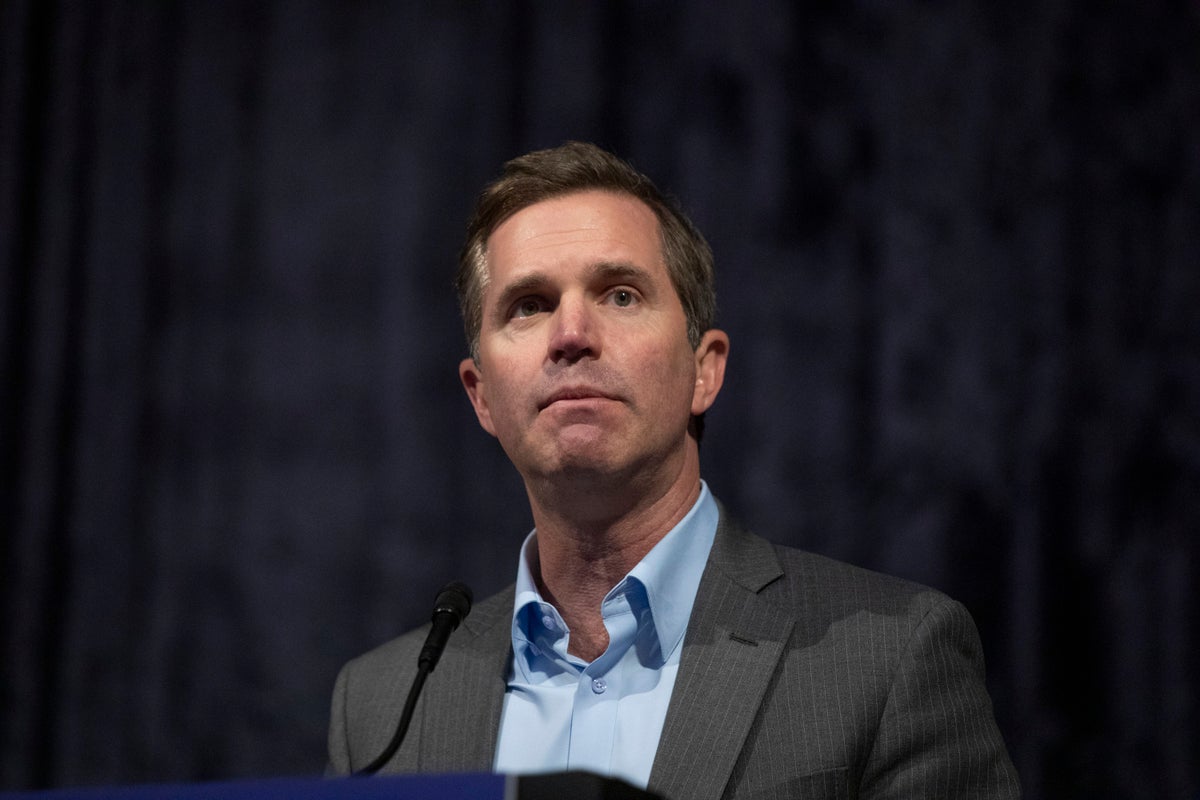
The press corps treats political relationships like high school homeroom. Reporters breathlessly track who texted whom, who picked up the phone, and who exchanged awkward glances in the cloakroom. When Kentucky Governor Andy Beshear admitted he had heard "absolutely nothing" from Mitch McConnell amid the Senator's well-documented health episodes, the media treated it as a scandalous indictment of modern partisanship.
They saw a frozen relationship. They saw petty tribalism. They missed the entire point. Meanwhile, you can explore related stories here: Tokyo and New Delhi Forge a Quiet Military Axis While Washington Watches.
Silence between a Democratic governor and a Republican Senate leader from the same state is not a bug in the political machinery. It is the most functional feature of the system.
The Myth Of The Required Phone Call
Every few months, pundits resurrect a quaint fantasy about American governance. The script demands that politicians rise above the fray, pick up a landline, and coordinate like statesmen of a bygone era. When they do not, editorial boards sound the alarm about the death of institutional norms. To explore the bigger picture, we recommend the recent report by The Guardian.
I have spent enough years watching power operate behind closed doors in Frankfort and Washington to know this is pure theater.
Political survival requires ruthless compartmentalization. Beshear runs the executive branch of a deeply red state while wearing a blue jersey. McConnell manages a massive federal legislative apparatus while fielding whispers about his cognitive stamina and physical footing. What exactly would a phone call between them achieve?
Would Beshear offer medical advice? Would McConnell consult the governor on federal judiciary nominations? Of course not.
Expecting daily check-ins between these two figures misunderstands what power actually is. Power is leverage, execution, and boundary-setting. Friendly chit-chat between ideological opposites does not pass a single infrastructure bill or fund a single highway project. Real governance happens through staff-level negotiations, bureaucratic pressure, and statutory mandates. It does not require personal warmth or reciprocal phone calls.
The Kentucky Paradox
Let us look at the actual data driving Kentucky politics instead of the emotional narratives pushed by cable news networks.
Beshear won re-election in 2023 by leaning into pragmatic, non-flashy executive competence while ignoring national culture-war flashpoints. McConnell has maintained a stranglehold on federal influence in the Commonwealth for decades by steering billions in defense contracts, flood relief, and transportation funding directly back home, completely divorced from whatever personal rapport he may or may not hold with local executives.
Neither man needs the other to do his job.
When reporters obsess over whether McConnell called Beshear after a freeze-up at a press microphone, they are projecting their own need for narrative closure. They want a human interest story where political actors either reconcile or declare open warfare.
The reality is far more mundane and far more efficient: radio silence is the professional courtesy of professionals who have nothing to say to one another.
The Insider Reality: Personal relationships in politics are vastly overrated by outsiders and vastly understated by those inside the room. When politicians stop talking publicly, it usually means the back-channel plumbing is either working quietly or entirely irrelevant.
Stop Mourning Institutional Norms That Never Existed
The lazy consensus in modern political commentary is that politics used to be civilized and now it is broken. This is historical illiteracy.
Read biographies of Kentucky politicians from the mid-20th century. Read about Happy Chandler or Alben Barkley. Political warfare in the Bluegrass State has always been bloodsport. The difference today is that every single microscopic interaction or lack thereof is broadcast in real time to an audience that treats politics like reality television.
When Beshear says he heard nothing, he is stating a logistical fact, not weeping over a broken friendship.
If McConnell were to call Beshear tomorrow, what changes? Does Medicaid expansion suddenly cost less? Does the Mountain Parkway get paved twice as fast? Does the Senate change its procedural rules?
No. The phone call would yield zero policy output. It would simply generate a five-second photo-op designed to trick naive voters into believing that systemic political polarization can be cured by a polite exchange about the weather in Louisville.
The Real Power Dynamic
Here is what is actually happening beneath the surface of the McConnell health narrative.
McConnell does not operate through the governor's mansion. He operates through a deeply entrenched network of state legislators, local power brokers, and federal appointees who outlast any temporary occupant of the executive suite. Beshear knows this. McConnell knows this.
Forcing an artificial dialogue between them would only serve the media's insatiable hunger for manufactured drama. By maintaining strict professional distance, both men preserve their respective brands. Beshear looks like the independent-minded manager focused on state business. McConnell looks like the federal titan insulated from local executive noise.
Stop demanding that your politicians pretend to like each other. Start demanding that they deliver results without needing a group hug to do it.