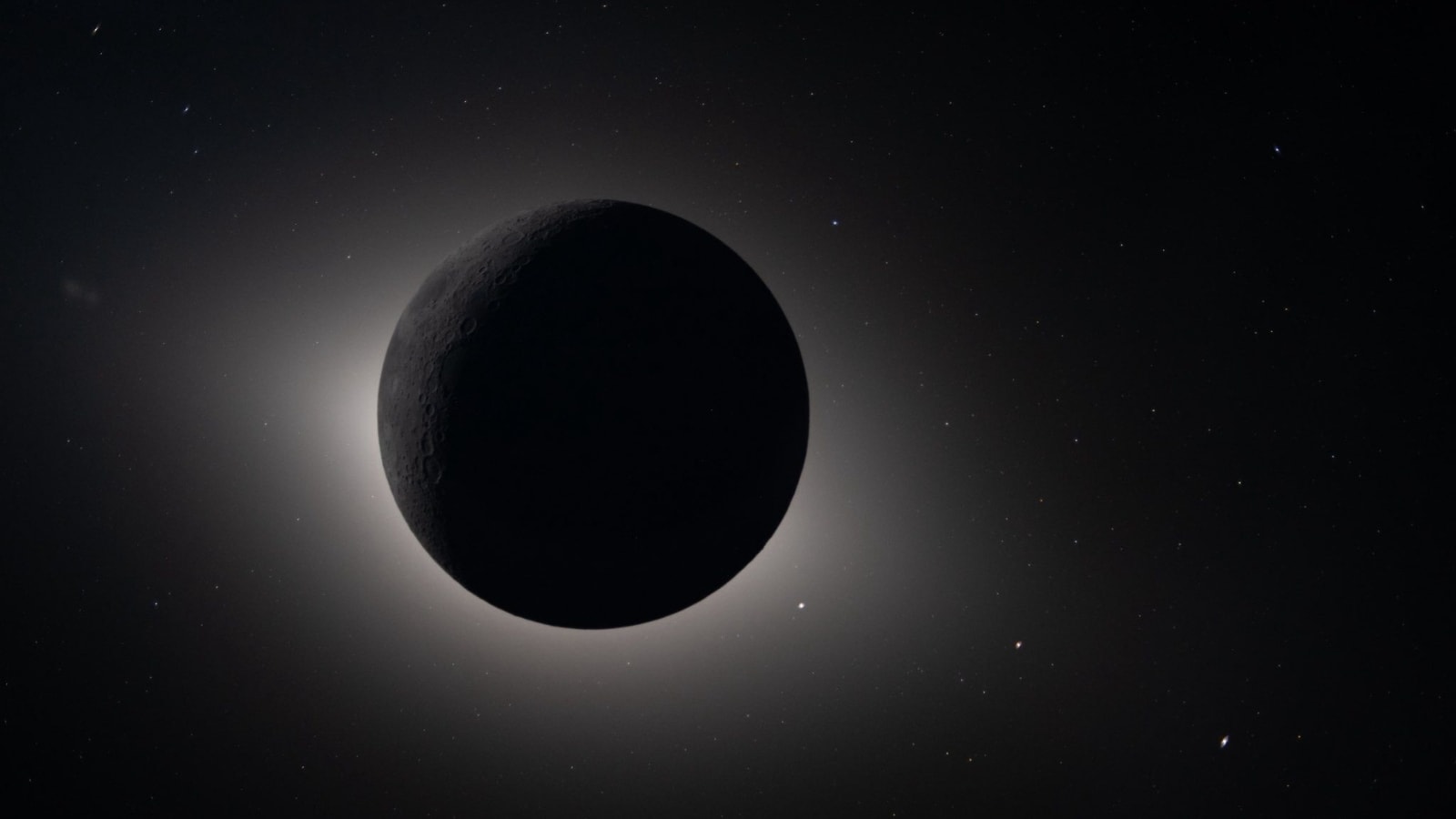
On August 12, 2026, the umbral shadow of the Moon will trace a high-latitude arc across the Earth, intersecting eastern Greenland, western Iceland, a sliver of northeastern Portugal, and northern Spain. Unlike mid-continent events that permit broad geographic viewing corridors, this trajectory presents acute logistical constraints, an exceptionally low solar altitude, and a compressed duration of totality. Extracting scientific and experiential value from the event requires a rigorous approach to positioning, atmospheric optics, and safety compliance.
The Geodetic Pathway and Temporal Constraints
The structural anatomy of any solar eclipse is governed by orbital mechanics, specifically the intersection of the lunar shadow cone with the Earth's rotating oblate spheroid. For the August 2026 event, the shadow initiates in the Arctic, sweeps south across the North Atlantic, and terminates near sunset across the Iberian Peninsula.
The primary variables determining the quality of observation are the duration of totality and the solar elevation angle.
- The Icelandic Sector: Observers positioned along the western coast of Iceland, including Látrabjarg and regions near Reykjavík, experience totality during the mid-afternoon, approximately four hours prior to local sunset. The solar altitude remains comparatively high, mitigating ground-level horizon obstructions. Maximum duration peaks off the western coast at two minutes and eighteen seconds.
- The Iberian Sector: In northern Spain and parts of northeastern Portugal, totality occurs immediately prior to sunset. While a low-altitude solar eclipse produces dramatic visual framing against terrestrial landscapes, it introduces severe operational vulnerabilities.
Atmospheric and Environmental Variables
The low solar elevation angle across Spain, where the Sun sits mere degrees above the horizon during totality, fundamentally alters the optical physics of the observation. Light passing through a thicker slice of the atmosphere undergoes heightened Rayleigh scattering and refraction.
Terrain profiles dictate success in this sector. Mountains, structural architecture, and dense vegetation situated along the western horizon can entirely occlude the corona during the brief window of totality. Observers must prioritize high-elevation vantage points with an unobstructed, zero-degree western horizon. Coastal cliffs or elevated interior mesetas provide the necessary line of sight.
Simultaneously, microclimates along the path dictate statistical probability of cloud cover. Atlantic-facing coastal regions in northern Spain frequently experience marine layer intrusions during late afternoon heating cycles. Inland positioning toward the high plains of Castile and León often yields superior meteorological stability, reducing the risk of localized cloud occlusion.
Optical Safety Protocols
The physiological mechanics of solar retinopathy demand uncompromising adherence to filtration standards. The human retina lacks pain receptors, meaning thermal and photochemical damage inflicted by focused solar radiation occurs without immediate sensory warning.
During all partial phases—which comprise the vast majority of the four-hour event window—direct ocular exposure to the photosphere requires certified solar filters meeting the ISO 12312-2 international standard. Standard neutral-density sunglasses, regardless of stated UV rating, transmit dangerous levels of infrared and visible light.
Optical instruments such as binoculars, spotting scopes, and telephoto camera lenses amplify light intensity exponentially. Attaching an uncertified filter to the eyepiece results in immediate thermal failure of the filter material and subsequent ocular trauma. Solar filters must be affixed securely to the objective (front) lens element of any optical device before light enters the assembly.
During the narrow window of absolute totality—when the lunar disc completely obscures the solar photosphere—filters must be removed to observe the faint coronal streamers and prominences. The immediate return of the diamond ring effect signals the absolute necessity of reinstating filtration hardware.
Correlated Astronomical Phenomena
The timing of the August 12, 2026 eclipse coincides with two distinct auxiliary phenomena that elevate the observational yield for prepared participants:
- Lunar Perigee Proximity: The Moon reaches a point close to perigee during this orbital node, increasing its apparent angular diameter. This expansion marginally increases the physical width of the umbral shadow and extends the duration of totality relative to apogee alignments.
- Perseid Meteor Integration: The peak of the annual Perseid meteor shower occurs on the night of August 12 into August 13. The rapid transition from the daytime eclipse into twilight and total darkness creates an exceptional dark-sky window prior to normal astronomical dusk, potentially allowing bright meteors to cross the darkened sky alongside first-magnitude stars and planets such as Venus and Jupiter.
Operational Execution
Positioning for this event demands a binary choice between the higher-altitude afternoon window in Iceland or the low-horizon, sunset-framed landscape of northern Spain. Logistics teams and individual observers must verify horizon clearance profiles weeks in advance, secure ISO-certified filtration media ahead of supply-chain bottlenecks, and establish secondary meteorological contingency sites to mitigate local cloud interference.