Xiao Chen wakes up at 6:30 AM, not because he has a meeting, but because the habit of ambition is harder to kill than ambition itself. He lives in a five-square-meter room in Hangzhou, a space so cramped his resume sits on the only chair he owns. For months, that piece of paper—boasting a degree in data architecture—was a reminder of a promise the economy seemed to have retracted.
He is one of millions. He is a data point. But lately, the data points are beginning to shift. If you found value in this piece, you might want to read: this related article.
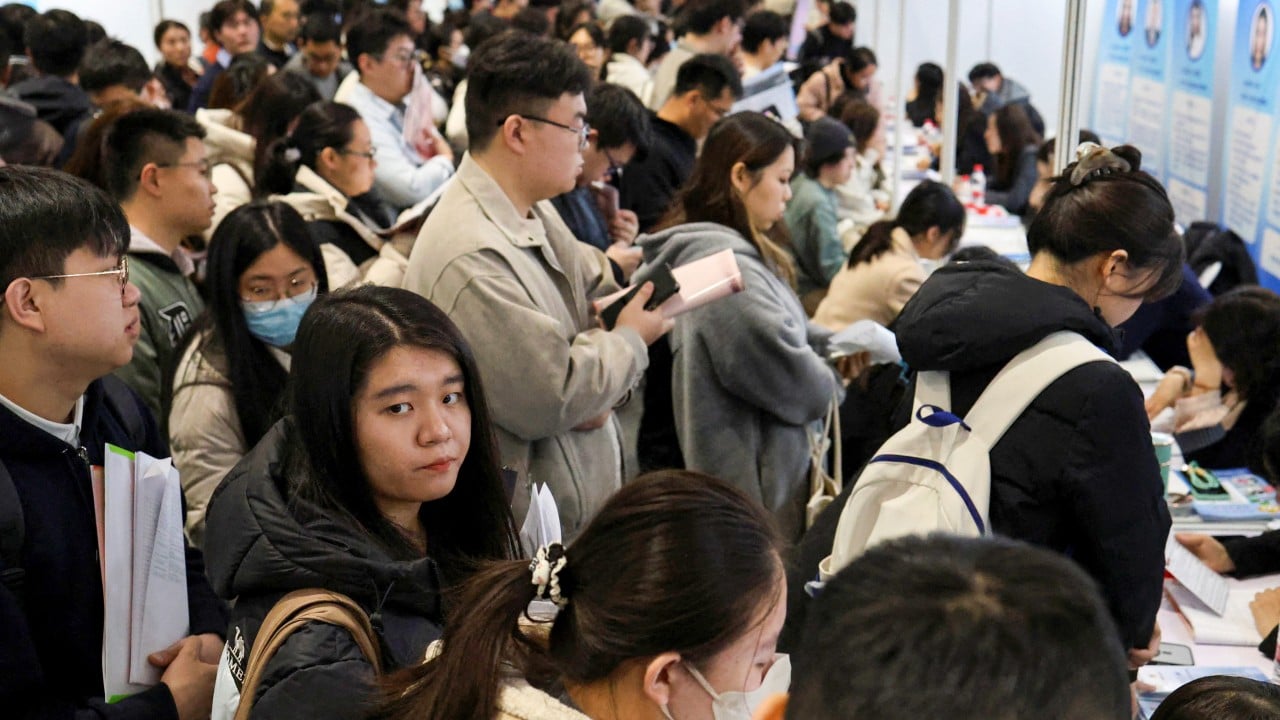
In February, the official figures from Beijing whispered something that many had stopped hoping for. The unemployment rate for those aged 16 to 24, excluding students, fell for the sixth consecutive month. It is a slow, rhythmic heartbeat returning to a body that many feared had gone cold. To a Western observer, a decimal point shift in a government report is a footnote in a financial terminal. To Xiao Chen, and to the millions of parents watching their "full-time children" occupy spare bedrooms, it is the first sign of a thaw after a long, brutal winter.
The numbers tell a story of mechanical correction, but the streets of Shenzhen and Shanghai tell a story of survival. We often talk about "the market" as if it is a weather system we can only watch through a window. In reality, it is the sum of every desperate pivot made by a twenty-something who realized their dream of a high-tech corner office was currently on hold. For another angle on this story, see the recent update from Business Insider.
The decline in joblessness isn't just about new factories opening their gates. It is about a massive, silent realignment of expectations.
Consider the "Lying Flat" movement that dominated headlines a year ago. It wasn't just laziness. It was a strike. It was a generation looking at the 9-9-6 work culture (9 AM to 9 PM, six days a week) and the skyrocketing cost of property, then looking at their entry-level salary offers, and simply deciding the math didn't work. They chose to stop. But humans cannot stay still forever. The current drop in unemployment reflects a new, grittier pragmatism.
The Blue-Collar Pivot
The shift isn't occurring where we expected it. The prestige of the "white-collar" desk job is being eroded by the necessity of the "blue-collar" paycheck.
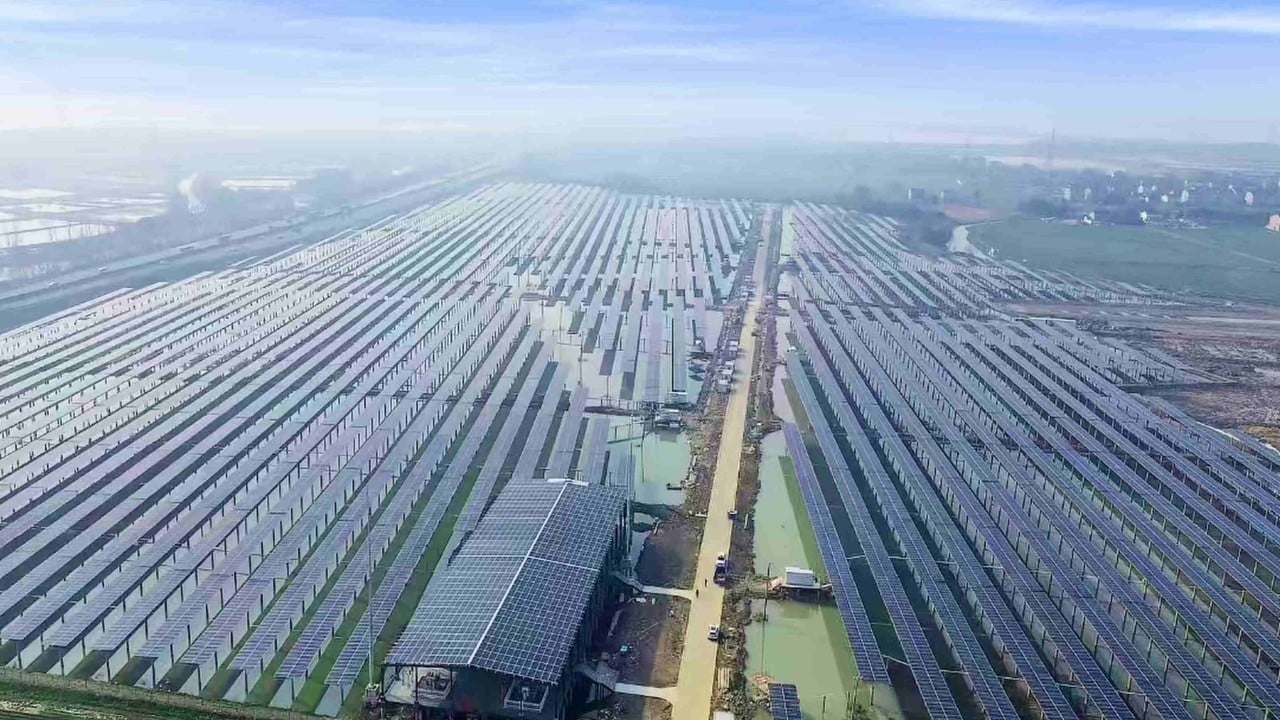
We are seeing a migration. Graduates who once scoffed at vocational work are now donning the uniforms of high-end manufacturing and specialized services. Government incentives have funneled billions into "Little Giant" firms—smaller, specialized tech companies that lack the name recognition of Alibaba or Tencent but possess the stability of state-backed industrial policy.
It is a trade-off.
You lose the beanbag chairs and the free artisan coffee of a Silicon Valley-style startup. You gain a steady wage in a battery component factory in Anhui. For the Chinese government, this is a strategic victory. They don't just want employment; they want useful employment. They want a workforce that builds chips and turbines, not one that optimizes ad algorithms for short-form video apps.
The Invisible Stakes of the Lunar New Year
February is never just another month in the Chinese calendar. It is the month of the Spring Festival, the largest human migration on Earth. It is also the moment of ultimate social accounting.
Every young person returning to their rural village or provincial town faces the "Trial of the Uncles." The questions are relentless. Where are you working? How much are you making? When are you buying an apartment? When the unemployment rate drops in February, it suggests that fewer young people had to face those questions with a bowed head. The timing is vital because the psychological health of the nation is tied to this homecoming. A downward trend over six months means that by the time the firecrackers were lit this year, a significant portion of that "ghost generation" had found a foothold. Even if that foothold is a job they didn't dream of, it is a place to stand.
But we must be careful with our optimism.
Statistics are a flashlight in a dark forest; they show you the path directly in front of you, but they don't reveal the wolves in the periphery. The "exclusion of students" from these figures is a crucial distinction. By removing those still in the ivory tower, the government provides a clearer picture of the active labor market, but it also masks the mounting pressure of the next graduating class.
This summer, nearly 12 million new graduates will pour out of universities. They are a tidal wave. The six-month decline in unemployment is the shoreline being reinforced before the surge.
The Price of the Recovery
What does this recovery feel like? It feels like exhaustion.
The jobs being filled are often in the "gig" economy or in grueling manufacturing roles. The competition remains so fierce that "involution"—a term for intense competition that yields no actual progress—remains the buzzword of the day. You might have a job now, but you are working twice as hard to keep it as your father did at your age.
The invisible cost is the delay of life. Marriage rates are cratering. Birth rates are at historic lows. When a young man like Xiao Chen finally finds a job after six months of searching, he isn't thinking about starting a family. He is thinking about his rent. He is thinking about the debt he owes his parents for his education.
The falling unemployment rate is a victory of stability over chaos. It is the sound of the engine catching after sputtering for years. But the car is still moving slowly, and the destination has changed. The "Chinese Dream" is being recalibrated from "Get Rich Quickly" to "Stay Employed and Useful."
Wait.
Watch the faces of the couriers weaving through Beijing traffic. Many of them hold degrees in philosophy or engineering. They are "employed." They are part of the falling percentage. They are the reason the chart looks healthy. They are also the reason the social fabric feels so taut, pulled to the absolute limit of its elasticity.
The story of February’s data isn't found in a spreadsheet. It’s found in the quiet sigh of a mother in Henan who just got a text from her son saying he’s signed a contract. It doesn't matter that it's for a logistics firm instead of a law firm.
He is off the streets. He is back in the system. The pulse is there. Faint, steady, and desperately fragile.
Xiao Chen eventually leaves his room. He walks past the rows of identical gray apartment blocks, blending into a sea of commuters. He isn't a headline anymore. He is just another person with a badge around his neck, heading toward a future that looks nothing like the one he was promised, but looks exactly like the one he has to build.