The friction of global transit often lives in the shadows of a passport stamp. We talk about borders as ink on paper, as lines drawn by treaties centuries ago. Yet, for millions who cross them daily, a border is a physical architecture of anxiety, cold concrete, and the relentless ticking of a clock.
Consider a hypothetical traveler named Liam, stepping off a shuttle with a heavy backpack and a tight schedule. His heart beats against his ribs not from fear of the unknown, but from the sheer weight of anticipation. He has fifty minutes to catch a connecting train across a boundary that splits two different worlds, two distinct legal systems, and two massive economic engines.
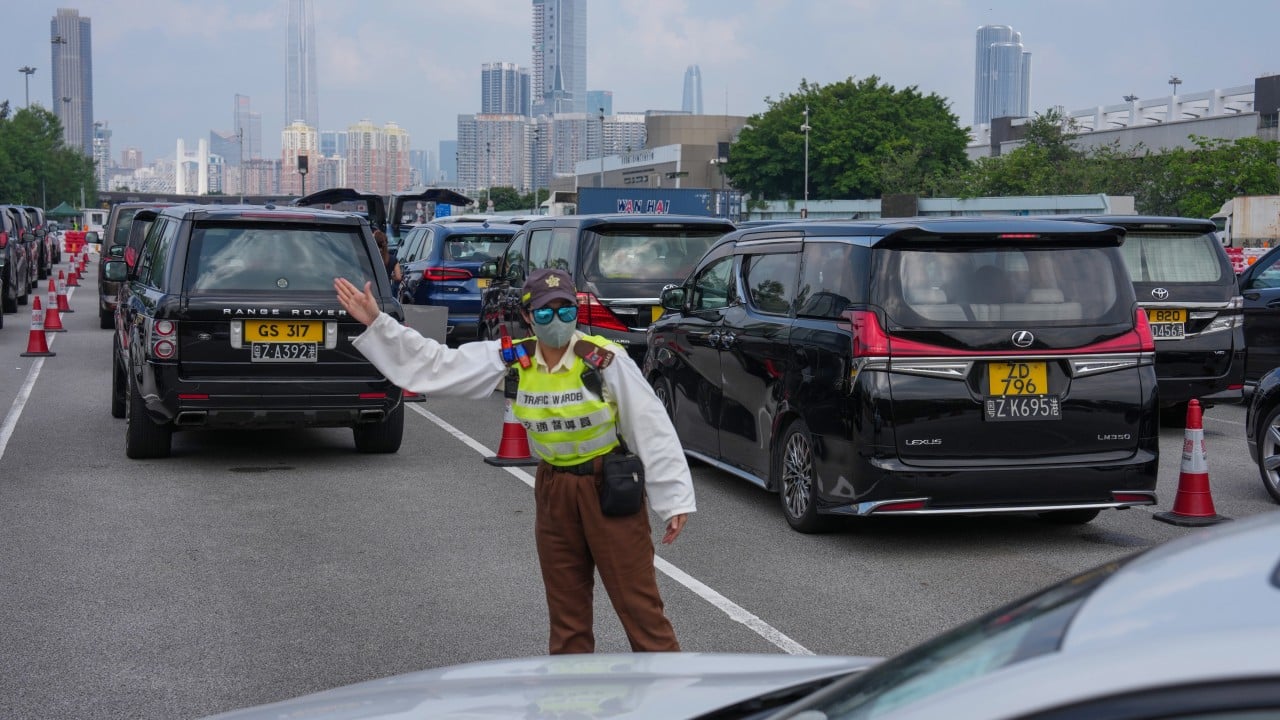
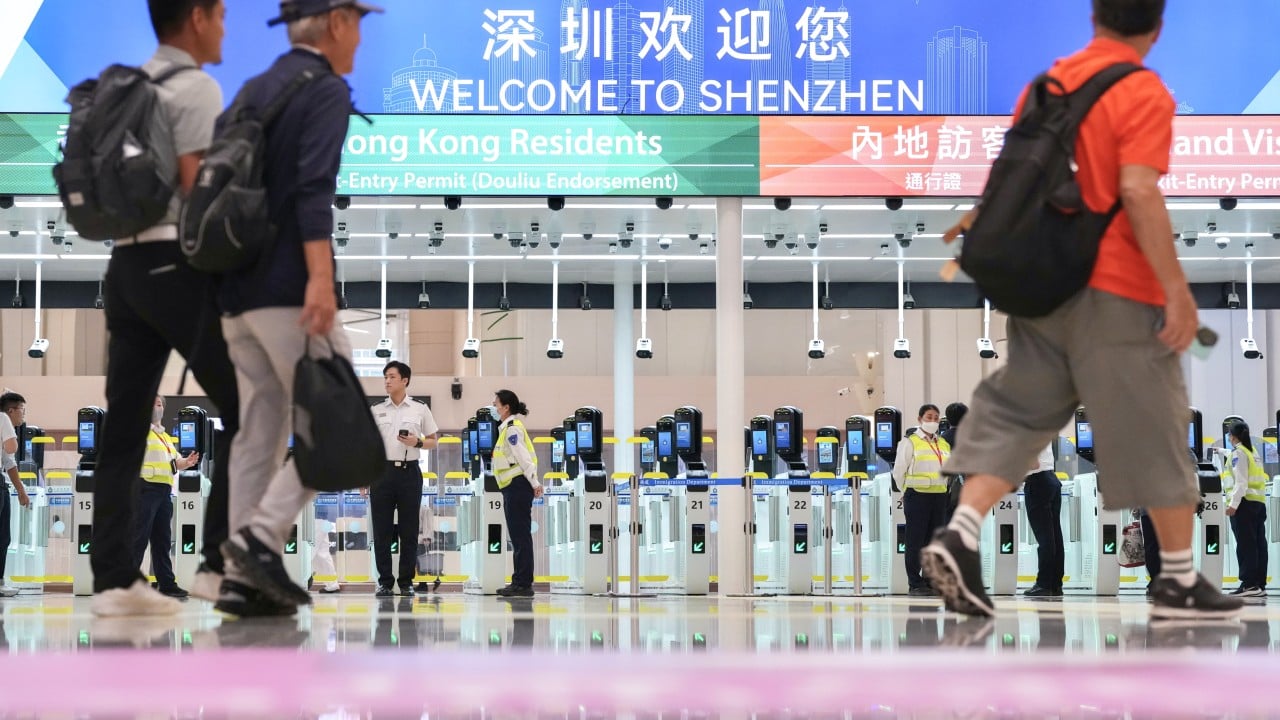
Huanggang Port stands as a monument to this modern friction. It is a vital artery connecting Shenzhen and Hong Kong, a place where the pulse of commerce and human movement beats with extraordinary urgency. Recently, headlines have praised the port for its technological efficiency—light speed checks, automated gates that flash green with ruthless speed, and biometric scanners that read faces in milliseconds.
Yet, walk through it, and a different reality emerges.
While the digital gates open with miraculous velocity, the physical journey to reach them can feel like an odyssey. The layout is vast, sprawling, and bewilderingly monumental. Travelers find themselves navigating cavernous halls, following distant overhead signs, and walking distances that test the endurance of anyone carrying luggage or nursing tired joints. It is a striking modern paradox. We have mastered the art of processing data instantly, but we still struggle to design human spaces that do not exhaust the people moving through them.
The Architecture of Transit
To understand why a port can be simultaneously lightning-fast and physically daunting, we have to look past the glowing screens and examine the concrete.
Massive infrastructure projects are designed with grand ambitions. They are built to handle future capacity, to absorb millions of frantic souls during peak holiday rushes without collapsing under the weight of human traffic. This requires scale. It requires wide corridors, soaring ceilings, and immense terminal footprints.
Scale, however, comes with a hidden human cost.
When a facility stretches across acres of land, efficiency becomes a geometric challenge. A scanner might take precisely 0.8 seconds to verify a passport. But if a traveler must walk a quarter of a mile through labyrinthine corridors, climb three flights of stairs, and navigate a poorly marked junction just to reach that scanner, the overall time lost is substantial. The bottleneck shifts from the digital software to the human skeleton.
We have all felt this mismatch. It is the frustration of waiting zero seconds for a transaction to clear, only to realize the parking lot is a thirty-minute walk away. At Huanggang Port, this spatial expanse creates a psychological weight. The efficiency of the technology contrasts sharply with the sheer physical effort required to traverse the facility.
The Human Element in the Machine
Behind every data point on a border authority's daily report is a person trying to get home in time for dinner, a merchant delivering vital goods, or a student crossing the divide for an early morning lecture.
For these travelers, speed is not an abstract metric. It is an emotional state. When you are rushing, every extra hundred yards feels like a mile. Every confusing directional sign feels like a deliberate obstacle.
The management at Huanggang faces an unenviable balancing act. Security demands space. Customs enforcement requires dedicated zones. Passenger separation necessitates physical barriers. Yet, the human experience cannot be treated merely as a logistical variable to be optimized on a spreadsheet.
Think about the sensory landscape of a major port of entry. The low hum of thousands of rolling suitcases. The sharp click of turnstiles. The announcements echoing in multiple languages, bouncing off polished stone floors. In such an environment, cognitive overload sets in quickly. When a layout is too vast, decision fatigue compounds the physical exhaustion. Travelers stop looking at the signs. They start following the crowd, hoping the collective instinct of the mob leads them to the right exit.
Sometimes it does. Sometimes it leads them into a holding area three concourses away from where they actually need to be.
The Path Forward Without the Buzzwords
Improving spaces like Huanggang does not require a reinvention of the wheel. It requires empathy in design.
Architects and urban planners are beginning to realize that the most successful transit hubs are those that respect human scale, even within massive footprints. Clear sightlines matter just as much as biometric algorithms. Intuitive wayfinding—using color, light, and natural pedestrian flow rather than endless banks of text-heavy signage—can reduce anxiety and cut transit times more effectively than upgrading software ever could.
Imagine walking into a terminal where the path is as clear to your instincts as a forest trail. Where the architecture guides your shoulders to drop instead of rising toward your ears. Where the speed of the digital check-in is matched by the effortless grace of the physical journey.
We are not quite there yet. For now, ports like Huanggang remain fascinating battlegrounds of extremes. They showcase the absolute pinnacle of technological capability operating side-by-side with the timeless, messy reality of human geography.
Liam finally reaches the exit, breathless, clutching his passport, having made his connection with minutes to spare. He steps out into the bustling air, feeling the unique adrenaline of transit. He won't remember the exact millisecond count of the facial recognition scanner. But he will remember the long walk, the sharp turn, the momentary panic of the vast, echoing hall, and the profound, simple relief of finally stepping outside.