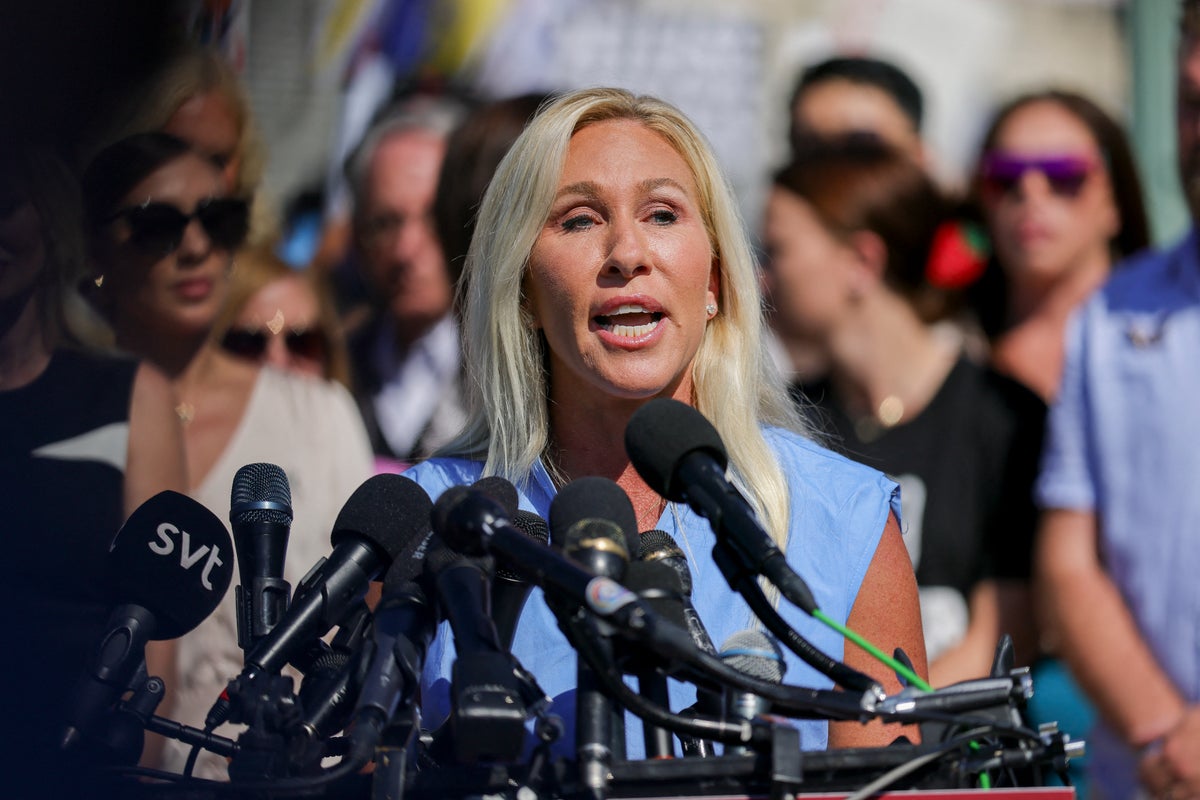
The political landscape just fractured in a way nobody saw coming. Georgia Representative Marjorie Taylor Greene, long considered one of Donald Trump’s most fiercely loyal defenders on Capitol Hill, openly lashed out at Defense Secretary Pete Hegseth. The trigger? The growing U.S. military conflict with Iran and the tragic deaths of American service members.
When Hegseth appeared to brush off media focus on the mounting casualties, accusing the press of trying to make the administration look bad, Greene lost her patience. She blasted his rhetoric on social media, screaming "Sacrifice?? WTF" and calling out what she described as a bloodlust for a senseless war.
This isn't just a standard Washington disagreement. It’s a massive ideological crack inside the MAGA movement itself, pitting America First isolationism against direct military action.
The Flashing Point That Split the MAGA Base
The tension exploded following Iranian drone and missile strikes that targeted U.S. forces in the region. The attack struck a tactical operations center, killing American troops and wounding dozens more. It marked a grim turning point in the newly erupted conflict, raising serious questions about troop protection and the actual strategy on the ground.
Instead of a solemn, unifying message from the Pentagon, Pete Hegseth went on the defensive. During a press briefing, he complained that the media was fixating on the deaths simply to damage the President politically. He claimed the U.S. was winning decisively and grumbled that "when a few drones get through, or tragic things happen, it's front-page news".
Greene didn’t hold back. Her public fury highlighted a deep frustration with how casually the administration seemed to handle the loss of American lives. For a base built on the promise of ending foreign entanglements and stopping endless wars, seeing a Republican Pentagon chief dismiss troop casualties as an annoying press narrative was the final straw.
Why the America First Loyalty Is Snapping
To understand why Greene turned so sharply, you have to look at the core promise of the political movement she represents. The original appeal of the Trump platform to millions of voters was its loud rejection of traditional neoconservative foreign policy. Voters were tired of the Bush-era interventionism that dragged the country into multi-decade conflicts.
Now, with Operation Epic Fury underway and U.S. bases in crosshairs, the reality of a new war is setting in. Hegseth justified the strikes by pointing to Iran's decades-long hostility and its massive conventional missile arsenal. But to anti-interventionist Republicans, this sounds exactly like the old Washington playbook they vowed to destroy.
Greene’s aggressive pivot shows that for some lawmakers, loyalty to the anti-war philosophy runs deeper than blind loyalty to administration officials. She isn't alone in her outrage, but her voice carries immense weight among grassroots conservative voters who feel betrayed by the sudden escalation.
The Growing Risk of a Wider Regional War
The Pentagon insists that this conflict is not endless. Yet, officials have simultaneously warned Congress and the public that more American casualties are likely. The conflict has quickly spilled across borders, with Iranian-backed groups exchanging heavy fire with U.S. and allied targets.
The administration argued that these military strikes were necessary because Iran was using its missile power to hold a gun to America's head. But critics note that intelligence briefings admitted there was no evidence Iran was planning an imminent, preemptive strike on the U.S. before the operations began. This gap between the administration's aggressive rhetoric and the actual intelligence has only fueled the fury of skeptics inside Congress.
If you are tracking the political fallout, watch how other populist lawmakers vote on upcoming military funding bills. The unified front that the administration relied on is gone. Lawmakers are forced to choose between backing the White House or standing by their promise to keep American troops out of foreign combat zones. Keep an eye on secondary troop deployments and defense budget debates over the coming weeks, as those votes will reveal exactly how deep this internal party rebellion really runs.
For a direct look at the administration's public positioning during this crisis, you can watch the Pentagon Press Update on the Iran Conflict, which outlines the official military stance on the escalating regional tensions and casualties.