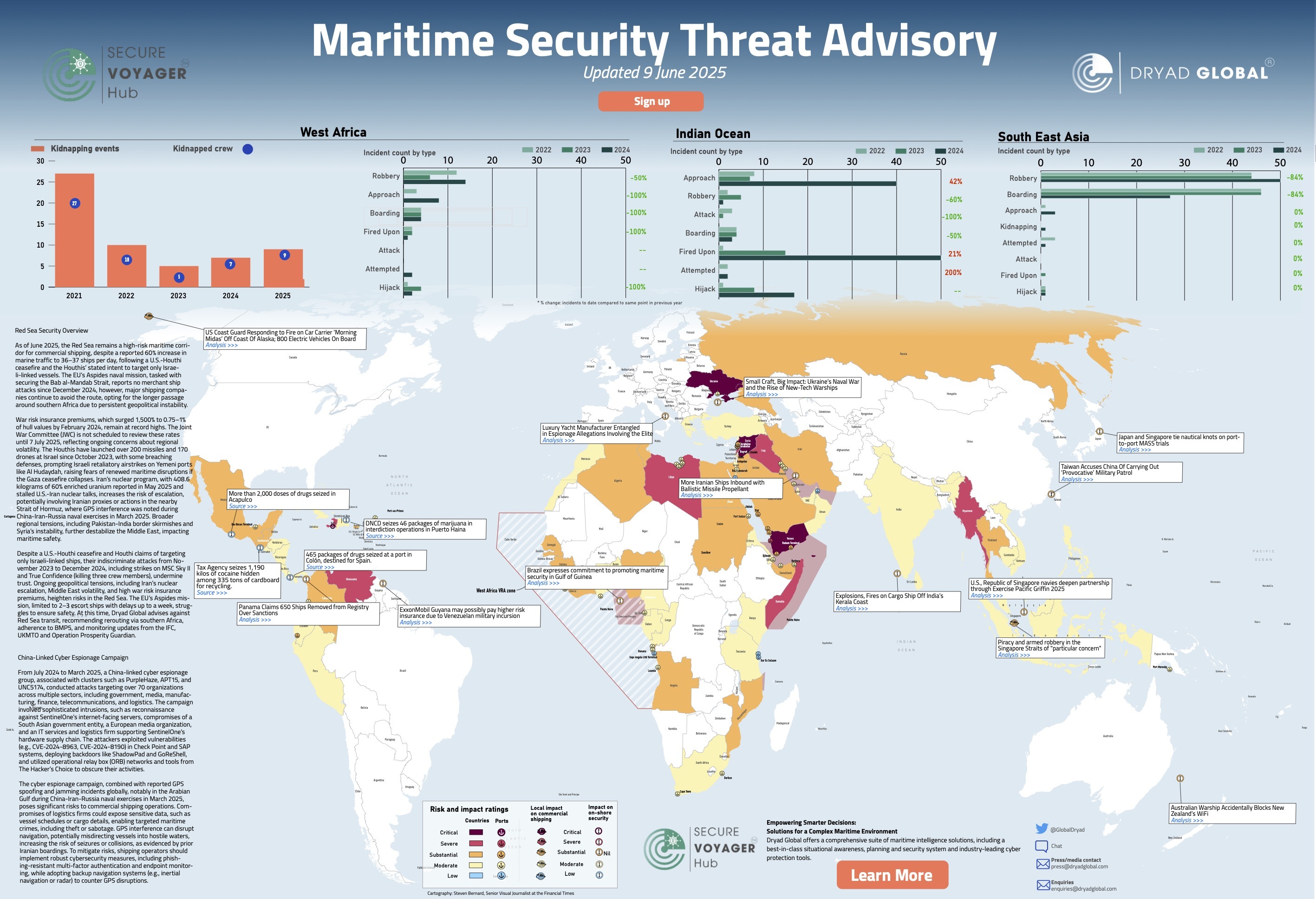
The simultaneous seizure of two commercial vessels carrying 22 Indian nationals off the coasts of Yemen and Somalia exposes structural vulnerabilities in contemporary maritime choke point defense. Rather than isolated criminal anomalies, the boardings of the Eritrea-flagged oil tanker M.T. Sibu 1 in the Gulf of Aden and the Cameroon-flagged cargo ship M/V LUTUF off Puntland demonstrate how overlapping regional conflicts create operational vacuums exploited by asymmetric actors. Maritime logistics corridors are failing to reconcile traditional naval deterrence with decentralized, low-signature pirate operations operating out of ungoverned coastal zones.
The Mechanics of Asymmetric Capture
Modern commercial shipping economics rely on continuous transit velocity and minimal crew footprints to optimize operational expenditure. This lean operating model creates inherent security vulnerabilities when vessels traverse high-risk areas like the Bab-el-Mandeb strait and the Somali basin. The recent incidents highlight a specific tactical playbook executed by boarding parties operating from low-profile skiffs.
- Vessel Profiling and Flag State Vulnerabilities: Both hijacked ships operated under flags of convenience and possessed limited organic defensive infrastructure, making them preferential targets compared to heavily hardened, state-monitored mega-tonnage carriers.
- Force Multiplication via Skiffs: Armed groups utilizing small, high-speed skiffs bypass radar cross-section detection thresholds, closing distances before conventional bridge teams can initiate evasive maneuvers or activate onboard citadel protocols.
- Strategic Cargo Targeting: The seizure of M/V LUTUF, carrying sensitive military and communications equipment bound for Mogadishu, indicates that modern pirate networks possess intelligence-gathering capabilities that extend beyond opportunistic theft to targeted cargo acquisition.
The Geographic Nexus of Instability
The convergence of maritime threats off Yemen and Somalia stems from a compounding security deficit. In the Gulf of Aden, international naval coalitions have spent months prioritizing missile and drone defense against regional state-aligned actors, inadvertently stretching surface action group coverage. This resource redirection creates operational windows for localized criminal syndicates.
Concurrently, the Puntland coastline of Somalia presents an entrenched sanctuary. Weakened local governance, combined with socioeconomic incentives for coastal populations, provides a stable logistical base for pirate action groups. The use of localized stimulants like khat and decentralized communication networks allows these groups to coordinate multi-vessel campaigns with minimal electronic footprint.
The Economic Impact on Seafarer Risk Exposure
The human element of these seizures centers disproportionately on nations providing the primary labor force for global merchant fleets. India, which supplies a substantial percentage of global maritime officers and ratings, absorbs the direct operational risk of these geopolitical flashpoints.
Shipowners and manning agencies face escalating insurance premiums and hazard pay requirements when routing crews through the Horn of Africa. However, economic pressures often override precautionary routing, forcing vessels into high-risk corridors where reactive military escorts cannot guarantee blanket coverage. The reliance on e-Navik marine casualty reporting systems and post-incident compliance audits offers regulatory accountability, but provides zero tactical deterrence during the critical window of an active boarding.
Operational Countermeasures and Systemic Realignment
Mitigating the recurrence of multi-vessel seizures requires a structural pivot from reactive naval deployment to predictive corridor hardening. Private maritime security companies must recalibrate threat assessments away from historical Somali piracy models toward hybrid threat environments where piracy intersects with regional state conflicts.
Vessel operators must implement mandatory pre-transit hardening measures, including acoustic hailing devices, high-pressure water monitors, and reinforced citadel construction, regardless of the vessel's registration flag. Concurrently, regional maritime security centers must institutionalize real-time intelligence sharing between commercial flag states and coalition naval forces to compress response times during the initial skiff-approach phase.