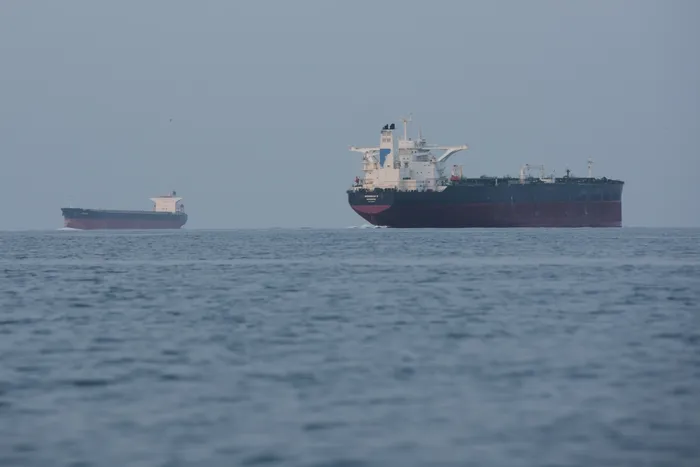
The intercept of an Iran-linked tanker by US naval forces in the Arabian Sea represents more than a localized security incident; it is a manifestation of the Persistent Interdiction Framework. This operational doctrine relies on the convergence of real-time signals intelligence (SIGINT), maritime domain awareness (MDA), and the physical imposition of sovereign navigational norms. When US forces turn back a vessel, they are not merely moving a ship; they are disrupting a specific supply chain node designed to bypass international sanctions and finance non-state actors.
The Mechanics of Kinetic Deterrence
Maritime interdiction operations (MIO) function through a three-stage escalation ladder. The goal is to achieve compliance without the expenditure of ordnance, preserving the legal high ground while achieving the strategic objective of cargo denial.
- Detection and Attribution: Modern interdiction begins thousands of miles from the physical intercept. Analysts correlate AIS (Automatic Identification System) data with satellite imagery to identify "dark" vessels—ships that have deactivated their transponders. Discrepancies between reported drafts (the depth of the ship in the water) and declared cargo weights serve as primary indicators of illicit transport.
- The Hail and Interrogation: Initial contact is established via bridge-to-bridge radio. The legal basis for the stop usually rests on "Right of Visit" as defined under international maritime law, triggered by suspicions of statelessness, piracy, or unauthorized broadcasting.
- Physical Positioning and Vector Alteration: By positioning a destroyer or littoral combat ship across the tanker's projected path, the US Navy creates a physical bottleneck. This maneuver forces the tanker's captain into a binary choice: comply with the redirection or risk a "Visit, Board, Search, and Seizure" (VBSS) operation.
The Economic Attrition Model
The decision to turn back a tanker rather than seize it reflects a calculated Cost-Benefit Arbitrage. Seizing a vessel requires a prize crew, legal processing in a friendly port, and the long-term storage of potentially hazardous materials. These actions incur high diplomatic and logistical costs.
Redirection, conversely, imposes immediate economic penalties on the sender:
- Fuel Burn and Opportunity Cost: Forcing a tanker to return to its port of origin wastes hundreds of thousands of dollars in bunker fuel and removes the vessel from the global "shadow fleet" rotation for weeks.
- Insurance Risk Premiums: Even "dark" tankers rely on tiered insurance structures. An interdiction event flags the vessel and its owner, often leading to the cancellation of remaining coverage and blacklisting by secondary ports.
- Contractual Failure: The failure to deliver cargo triggers a cascade of defaults within the financing network, effectively starving the underlying entity of expected liquid capital.
Architecture of the Shadow Fleet
The vessel in question likely operates within a decentralized network characterized by "flag hopping" and "shell ownership." To understand why these intercepts are frequent yet difficult to finalize, one must examine the Tri-Layer Ownership Structure.
Layer 1: The Registered Owner
Often a single-ship company based in a jurisdiction with minimal oversight (e.g., Panama, Liberia, or the Marshall Islands). This entity exists solely to hold the title to the ship, insulating the true stakeholders from legal liability.
Layer 2: The Technical Manager
A separate firm responsible for the daily operations, crew staffing, and maintenance. This layer ensures that the ship remains seaworthy enough to transit international waters while maintaining a degree of separation from the cargo's origin.
Layer 3: The Beneficial Owner
The ultimate recipient of the profits. In the context of Iran-linked shipping, this is often a state-affiliated enterprise or a front for the Islamic Revolutionary Guard Corps (IRGC). Identifying this layer requires deep-dive forensic accounting and the tracking of oil-for-goods swap agreements.
Tactical Limitations of Surface Intercepts
The Arabian Sea is a vast theater, and the US Navy faces a Coverage Gap Constraint. A single carrier strike group or independent steaming vessel cannot monitor every square mile. This creates "leakage" in the interdiction net.
The primary limitation is the Legal Threshold of Engagement. Unless a vessel is in violation of specific UN Security Council resolutions or the boarding is authorized by the flag state, US forces must often rely on "harassment" tactics or "persuasion" rather than direct seizure. This creates a cat-and-mouse dynamic where the tanker captain tests the resolve of the naval commander, often lingering in international waters until the fuel-to-risk ratio becomes unfavorable.
Regional Stability and the Strait of Hormuz Bottleneck
The intercept in the Arabian Sea is a pre-emptive strike against the Hormuz Escalation Cycle. Iran frequently uses its proximity to the Strait of Hormuz to threaten global oil transit as a counter-leverage against US sanctions. By conducting interdictions in the open waters of the Arabian Sea, the US Navy moves the point of friction away from the sensitive chokepoint, reducing the risk of a total maritime blockade.
This geography-based strategy forces the Iranian-linked entities to take longer, more exposed routes around the Horn of Africa or into the Indian Ocean, where US and allied surveillance assets have more time to establish a "pattern of life" for the vessel.
Structural Vulnerabilities in Counter-Smuggling Efforts
While successful, the "turn back" tactic reveals a significant bottleneck: the lack of global port cooperation. Many vessels turned back from the Arabian Sea simply loiter until they can conduct a ship-to-ship (STS) transfer in less monitored waters.
The STS Transfer Loophole remains the greatest challenge to maritime enforcement. Two ships meet in the open ocean; the "clean" ship takes the cargo from the "dirty" ship, effectively laundering the oil's origin before it arrives at a refinery. Without a massive increase in satellite-based loitering sensors, these transfers will continue to undermine the effectiveness of physical intercepts.
The strategic shift required is a transition from Kinetic Intercepts to Digital Blockades. Naval forces should prioritize the "Digital Twin" of the shadow fleet. By sanctioning the software providers, port agents, and bunkering services that these ships rely on, the US can effectively "ground" the fleet without ever firing a shot or moving a destroyer. The physical intercept in the Arabian Sea serves as the visible enforcement of a much larger, invisible regulatory net.
Success in this theater is measured not by the number of ships sunk, but by the increasing delta between the cost of smuggling oil and the market value of the oil itself. Once the logistical and insurance costs of evasion exceed the profit margin, the shadow fleet becomes economically unviable. Operations in the Arabian Sea are the primary tool for driving that cost toward the breaking point.



