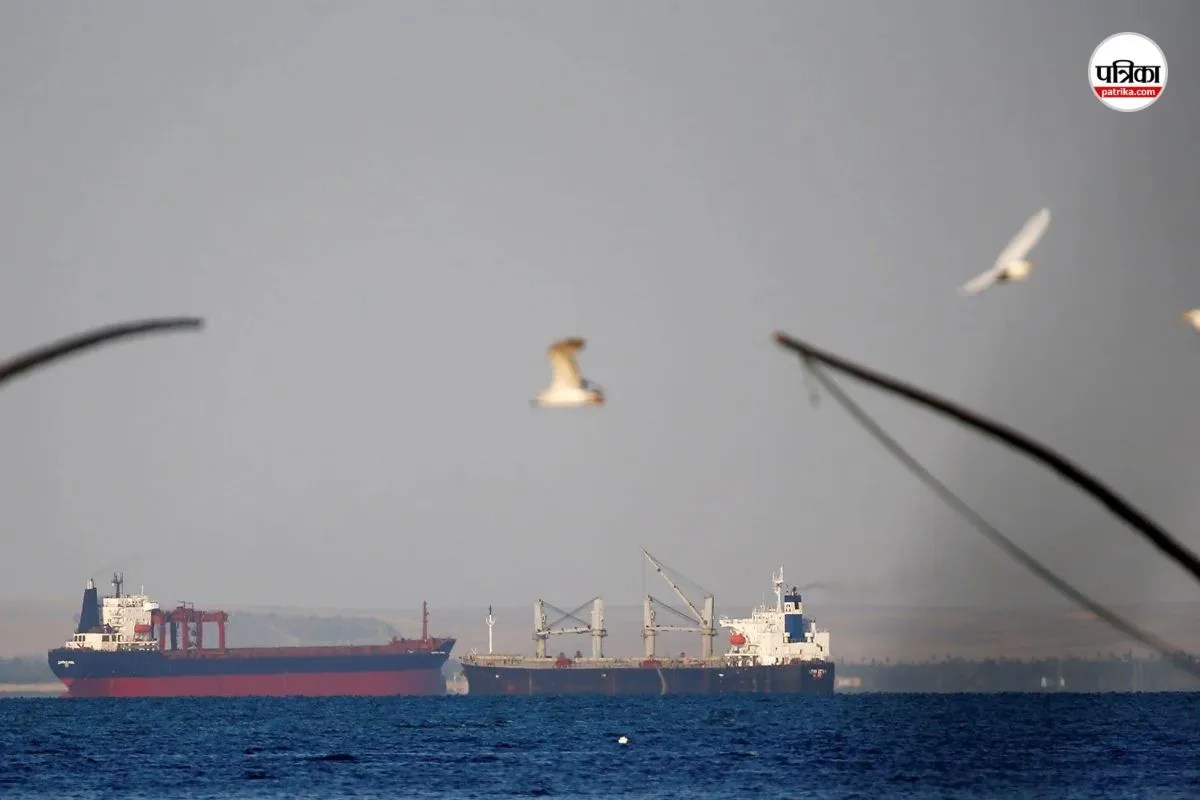
Falling crude prices rarely coincide with a surge in tanker strikes at a maritime chokepoint, yet late-2026 shipping data shows attacks around the Strait of Hormuz climbing toward record highs even as benchmark oil prices softened. Standard wire coverage treats that divergence as a surface contradiction between market sentiment and battlefield headlines. A rigorous strategic reading shows the opposite: declining crude revenue and naval pressure on export terminals alter Tehran's cost function, turning maritime interdiction from a price-spike lever into a bargaining chip and attrition tool.
Deconstructing the Competitor's Narrative
Wire reports covering the late-2026 flare-up around the Strait of Hormuz follow a familiar event-driven sequence: tally recent vessel incidents, note that roughly one-fifth of global crude normally passes through the waterway, cite softening oil prices tied to Gulf supply recovery or U.S. political shifts, and highlight blunt political statements from Washington and Tehran. That structure gives readers a chronological ledger of incidents, but it leaves three analytical gaps that obscure how the conflict actually operates.
The first gap is conflating incident counts with physical throughput collapse. Counting reported hits or mine strikes in a given month captures escalation intensity, not how many barrels clear the strait or how much effective supply leaves the market. Because commercial vessels increasingly turn off transponders, alter routes, or face naval blockades and escorts, headline attack tallies and gross pre-war shares (such as the historical 20% figure) do not automatically translate into a one-for-one barrel loss.
The second gap is treating oil price softness as an isolated market mood rather than a constraint that shifts strategic incentives. When crude prices slide on expectations of Gulf export recovery or reduced near-term U.S. escalation risk following midterm elections, Tehran's fiscal and export position faces compounding pressure from naval blockades and dwindling floating inventories. Under those conditions, raising transit risk in Hormuz is not merely an attempt to push spot oil higher; it is a way to impose friction costs on regional trade, test naval escorts, and extract concessions tied to blockade relief and sanctions.
The third gap is flattening asymmetric maritime tactics into generic "aggression." Reports mention missiles, projectiles, naval mines, transponder shutoffs, and blockade enforcement by both Iranian forces and the U.S. military. Without separating sea denial (raising transit uncertainty via mines and standoff strikes) from selective access control (routing warnings, escort friction, and port blockades), the reader sees noise instead of a structured contest over maritime chokepoints.
The Chokepoint Cost Function and Escalation Logic
To understand why tanker strikes intensify when crude prices dip, model the Strait of Hormuz through the Chokepoint Cost Function faced by three actors: Tehran, Gulf exporters and commercial ship operators, and naval powers enforcing or countering blockades.
Tehran's Revenue and Leverage Calculus
Known facts from reporting and market trackers establish that U.S.-Iran hostilities in 2026 have involved naval blockades on Iranian ports, severe pressure on Iranian oil export volumes, and shrinking floating crude availability outside blockade zones. Iranian officials have explicitly tied maritime restrictions to broader demands—halting military strikes, lifting naval blockades, and resolving sanctions disputes—while warning vessels away from what Tehran designates as unauthorized routes.
The educated hypothesis behind late-2026 escalation is that falling price expectations reduce Tehran's passive leverage. When oil markets price in calmer export flows or lower immediate escalation risk, diplomatic pressure on Washington and regional capitals eases. Escalating vessel strikes and mine claims re-injects tail risk into energy and shipping markets, forcing counterparties to price security and blockade persistence back into their calculations even when underlying supply balances look looser.
Shipping Friction vs. Spot Price Elasticity
Oil prices do not respond mechanically to every tanker incident. A ship hit or mine claim can lift crude benchmarks when traders fear prolonged disruption or infrastructure damage, yet prices can also retreat when alternative supply, improved Gulf export logistics, or diplomatic expectations outweigh near-term shipping scares.
Three variables govern how a Hormuz incident transmits into market prices:
- Transit volume elasticity: How many tankers actually cancel, delay, or reroute versus continuing under escort or revised routing.
- Inventory and spare-capacity buffer: Whether afloat crude, regional storage, or non-chokepoint flows absorb short-term delays without draining refineries.
- Infrastructure target credibility: Whether attacks remain confined to commercial hulls and mines in transit corridors or expand into export terminals and processing hubs.
Commercial operators experience these mechanics directly through non-price friction: higher war-risk insurance, longer transit times, route deviations, transponder deactivation risks, and crew safety exposure. Even when crude spot prices fluctuate or soften, elevated operational risk raises the cost of moving Gulf barrels.
Asymmetric Sea Denial Under Naval Blockade
When a state faces naval blockade pressure on its own ports, asymmetric maritime tools—mines, coastal missiles, drones, and traffic warnings—offer a low-cost way to contest a narrow waterway. Sea mines are particularly disruptive because a single reported strike or mine warning forces commercial masters and insurers to treat an entire corridor as hazardous, multiplying the operational burden on mine-countermeasure and escort forces.
At the same time, this tactic carries a verification and credibility trade-off. Military announcements of mine hits or traffic restrictions move markets immediately, yet unverified claims or selective enforcement can erode credibility over time if physical evidence or independent maritime tracking diverges from wartime statements.
Why Cause-and-Effect Chains Break in Chokepoint Crises
Surface reporting often assumes a direct chain: more tanker attacks -> less Gulf oil reaches market -> oil prices surge -> both sides rush to de-escalate. In practice, four structural mechanisms interrupt that chain.
1. Supply Recovery Can Offset Chokepoint Jitters
Analysts tracking energy markets have pointed to recovering Gulf export flows and shifts in perceived U.S. military escalation risk after midterm elections as drivers of downward pressure on crude prices, even amid ongoing tanker attacks. When physical barrels move more reliably than headlines suggest, traders discount transient maritime incidents faster than they would during a broad export outage.
2. Blockades Alter Bargaining Asymmetry
A naval blockade targeting a producer's ports compresses that state's export revenue and shrinks its available crude inventory. Rather than passively accepting revenue strangulation, the targeted state uses chokepoint disruption to impose reciprocal costs on regional shipping and signal that safe passage and broader regional calm are linked to blockade relief.
3. Transponder Darkening Blurs Risk Attribution
When vessels switch off Automatic Identification System (AIS) transponders or navigate contested corridors, maritime domain awareness degrades. That opacity creates two distinct hazards: ships risk entering mined or restricted zones without clear guidance, while analysts and insurers struggle to separate confirmed strikes, collateral damage, naval interdictions, and exaggerated claims.
4. Spillovers Hit Downstream Inputs Before Crude Peaks
Even when crude benchmarks pull back from earlier spikes, chokepoint friction ripples through refining margins, freight rates, natural gas and LNG shipping, and energy-intensive industrial inputs such as fertilizers and aluminum. A buyer focused solely on front-month crude price dips can miss rising landed-cost volatility across refined fuels and industrial supply chains.
Practical Playbook for Energy Buyers, Shippers, and Risk Teams
Navigating a high-friction chokepoint requires replacing headline reaction with disciplined operational controls.
- Separate headline price moves from physical transit metrics. Track actual vessel passage rates, escort availability, and regional loading delays alongside crude futures so a price dip does not lull procurement or logistics teams into ignoring route risk.
- Audit exposure across both crude and derivative supply chains. Map vulnerability not only to crude barrels, but also to refined products, LNG, freight surcharges, and chokepoint-sensitive industrial materials.
- Require multi-source verification before adjusting commercial commitments. Cross-check military claims and social-media reports against maritime monitoring agencies, naval advisories, and insurer notices before locking in spot purchases or canceling voyages.
- Build flexible routing and inventory buffers early. Pre-negotiate contingency sourcing, alternate discharge or loading windows, and buffer stocks while markets are calmer, because spot capacity tightens sharply once escalation accelerates.
- Tie diplomatic expectations to verifiable de-escalation triggers. Treat political rhetoric as noisy; watch for concrete changes in blockade enforcement, mine-clearing operations, and commercial transit advisories as the true signal of risk reduction.
Limitations of These Controls
No operational playbook eliminates tail risk in a contested strait. Naval escorts and mine countermeasures face physical constraints in confined waters, insurance markets can reprice or withdraw coverage abruptly, and sudden shifts in military targeting can invalidate routing assumptions overnight. Diversifying supply helps, but geography still limits how quickly Gulf volumes can be replaced at scale.
Strategic Recommendation for the Next Phase
Treat any dip in oil prices during active Hormuz tanker attacks as a temporary window to de-risk supply chains, not proof that the chokepoint crisis is resolving. Commercial operators and industrial buyers should use softer crude prices to lock in supply diversity, stress-test freight and insurance budgets against renewed mine and missile incidents, and anchor risk decisions to verified maritime traffic and blockade shifts rather than market calm.