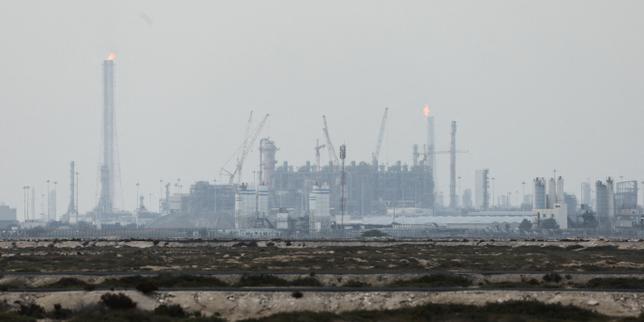
The ground does not forgive easily. It remembers every bite of the excavator bucket, every gallon of diesel spilled, every scar carved into its flank by men who measured worth in tons per hour. For decades, the 130-acre expanse sat like an open wound on the landscape. A gravel pit. Dust. Stone. Silence where birds should have been.
Then came the check.
It was signed by a man whose name will not make history books, emptying a bank account built through a lifetime of ordinary labor. Every dollar earned over forty years. Gone. Traded for a wasteland.
People called him a fool over coffee at the local diner. They pointed fingers at their temples, whispering about bad investments and fading wits. Why buy a hole in the ground when you can buy peace? Why trade security for rubble?
They did not understand the math he was running. His equations did not involve profit margins or return on investment. He was calculating the weight of a silent spring.
Look closely at what we leave behind. We pave over the meadows, straighten the creeks, and wonder why the air feels thin. We treat the earth as a warehouse with an infinite inventory. But every stripped acre represents a withdrawal from a bank account we cannot replenish.
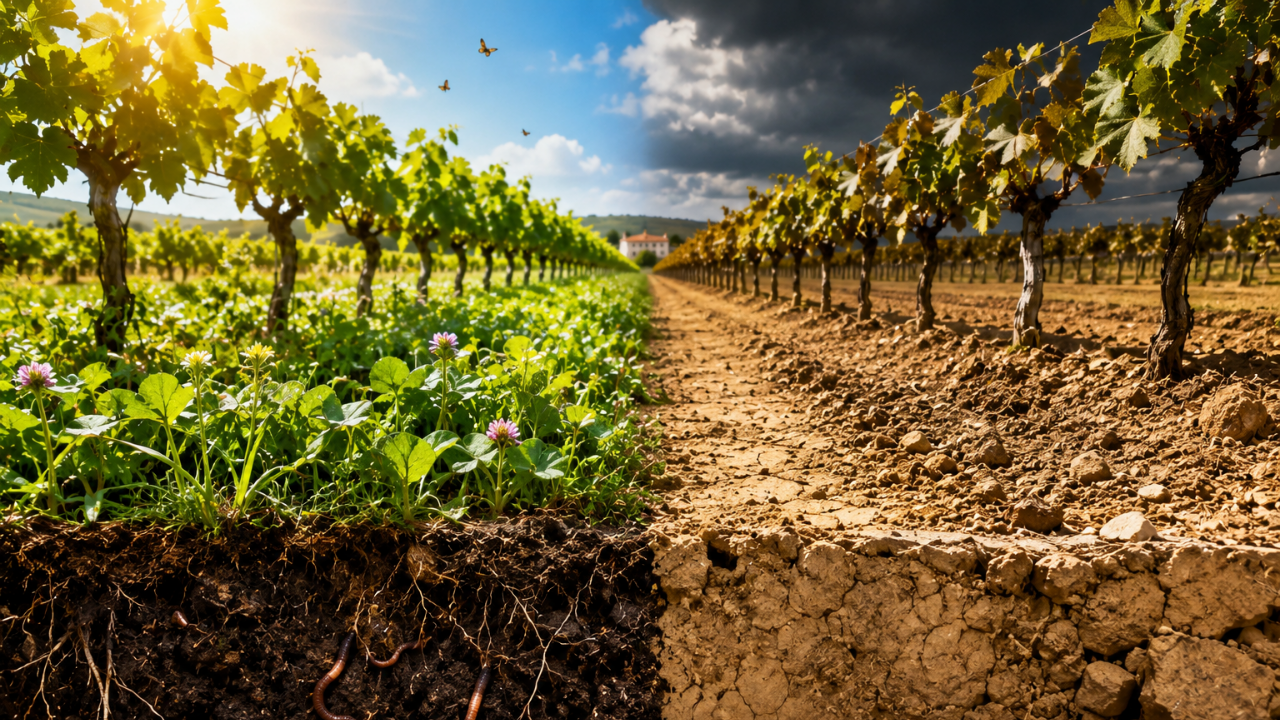
When he walked the perimeter of the pit for the first time as its owner, the wind tasted of grit. The soil was compacted so hard it could have passed for concrete. No earthworms. No clover. Just a skeletal gray expanse under a flat sky.
He didn't bring heavy machinery to build a mansion. He brought a shovel, a handful of native seed packets, and an obstinate refusal to accept that a ruined place had to stay ruined.
Restoration is not an event. It is an argument with time.
Consider the sheer scale of the inertia he had to break. Soil does not heal overnight. It takes organic matter, moisture, root systems, and a staggering amount of patience. During the first two years, nothing happened. The rain fell, the sun baked the clay, and the dust blew across the property lines. The neighbors watched, waiting for the weeds to take over, waiting for the county to step in.
Instead, he dug trenches by hand to catch the seasonal runoff. He hauled truckloads of decaying logs and scattered them across the barrens, creating artificial microclimates where moisture could hide from the sun. He wasn't gardening. He was performing emergency surgery on an ecosystem.
(Note: When evaluating ecological recovery of industrial sites, conservation scientists frequently point to hydrological restoration as the single most critical baseline step—without water retention, biological succession simply cannot begin.)
Nature is remarkably eager to return, if you give it half a chance.
By the third spring, the change was subtle enough to miss if you weren't looking. A patch of yellow sweet clover appeared near the old crushing site. Then came the solitary buzz of a bumblebee, looking for something that hadn't grown there in half a century. A killdeer nested in the gravel, trusting the camouflage of the gray stones.
He spent his days walking the property, boots grinding against the remnants of industry. He didn't talk much to visitors. Mostly, he watched.
We live in an age that demands instant gratification. If an app doesn't load in two seconds, we discard it. If a project doesn't yield results by the second quarter, we pivot. This man spent his entire life savings on a gamble that would not pay out fully until he was likely in the ground himself. That is a rare kind of defiance. It is an investment in ghosts and descendants.
The turning point came during a torrential July downpour five years in. In the old days, a storm like that would have sent a torrent of silt straight into the nearby creek, choking the aquatic life downstream. But the trenches he dug, now choked with thick native grasses and deep-rooted shrubs, held the water. They drank it. The land swelled, soaked, and held.
Within a decade, the transformation crossed the threshold from hopeful to undeniable.
The gravel pit is gone. In its place is a dense, undulating patchwork of wetlands, wildflower meadows, and young hardwood forests. The heavy machinery noise has been permanently replaced by the raucous chatter of red-winged blackbirds and the evening chorus of spring peepers. Deer move through the tree lines at dawn. Beavers have taken over the lower basin, engineering their own complicated domesticity out of the willows he planted.
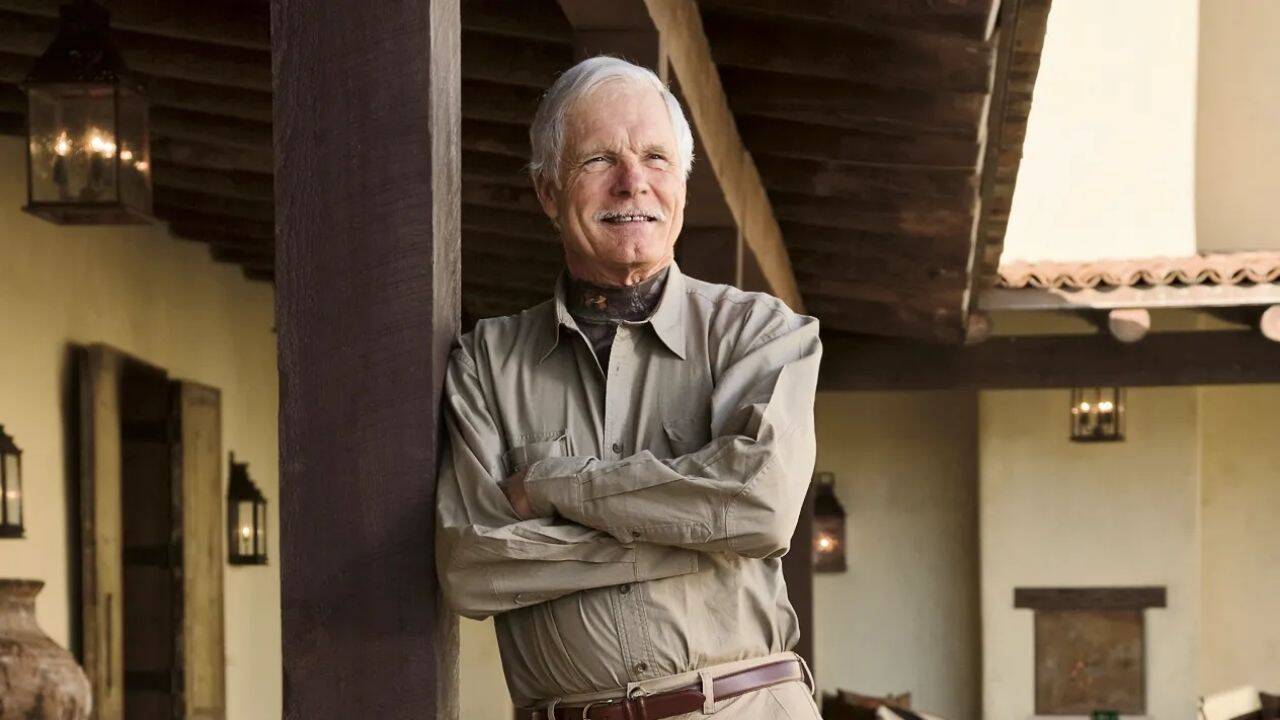
He sits on a weathered wooden bench near the edge of the central pond now, watching a great blue heron spear the water with surgical precision. His bank account is empty. His hands are permanently calloused, his back permanently bowed.
He looks wealthier than anyone on the Forbes list.
We measure our lives by square footage, portfolio balances, and the accumulation of things that rust. We hoard currency as if security can be stored in a vault. But the true wealth of a life is measured by what you manage to wake up before you leave.
The earth does not care about your title. It cares about your roots. And somewhere out there, in the quiet spaces between the trees, a retired worker is listening to the frogs sing in a pond he built with his bare hands, knowing the world is a little less empty than it was before he got here.