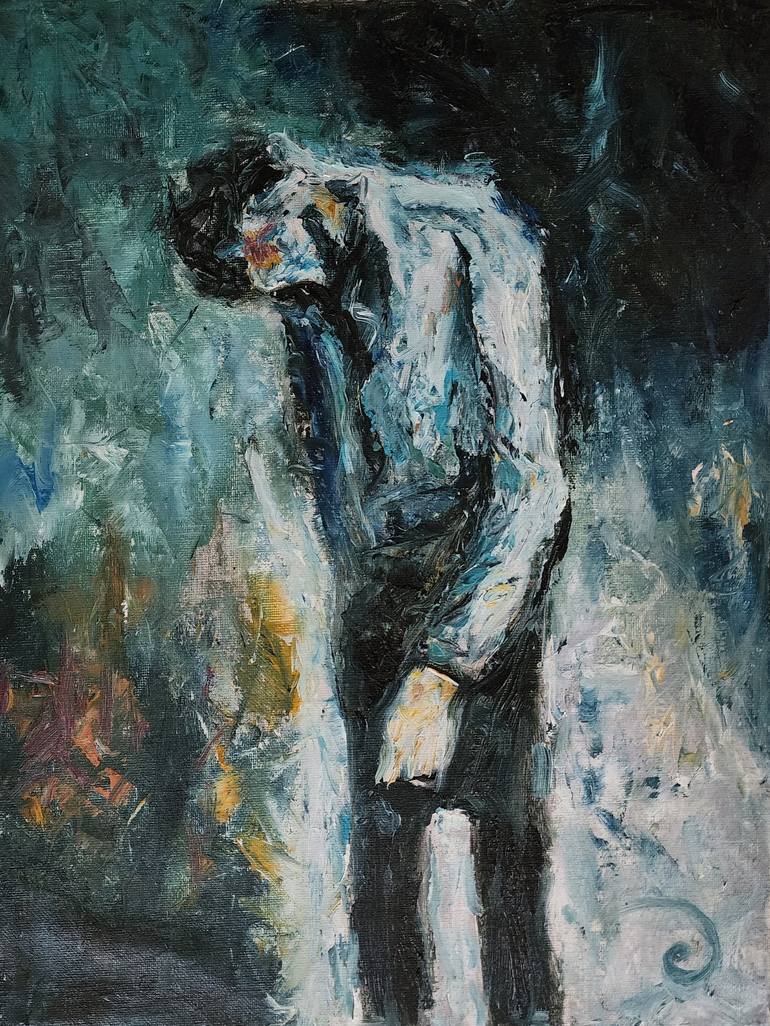
The earth does not warn you. It simply forgets to hold still.
One moment, you are pouring morning coffee, the steam curling against the kitchen window, the radio murmuring a forgotten tune. The next, the floor turns to liquid beneath your socks. The walls groan—a sound like a ship’s hull splintering in a freezing sea. Plates shatter. Dust chokes the air until day turns to a bruised, sulfurous twilight. Then comes the silence. A heavy, suffocating quiet that feels heavier than the debris itself.
Below the rubble of what used to be a bustling neighborhood in central Colombia, Maria is breathing.
Or rather, she is trying to.
To understand what happens when a sudden tremor tears through the Andean foothills, you have to look past the dry wire reports. You have to look past the casualty counts flashed on cable news networks. You have to shrink the world down to a space forty centimeters wide, where concrete slabs lean against each other in a fragile, weeping arch.
Darkness. Absolute and heavy.
In moments like this, time stops measuring itself in minutes. It measures itself in heartbeats. Every shift of debris outside sounds like an approaching avalanche, threatening to collapse the small air pocket keeping her alive. Her fingers, scraped raw and bleeding, trace the cold edge of a fallen beam. She is not thinking about geopolitics, or fault lines, or seismic magnitudes. She is thinking about her daughter’s laughter. She is bargaining with the dark.
Miles away, the machine begins to turn.
Disaster response in mountainous terrain is a masterclass in controlled chaos. When the ground ruptured, seismographs in Bogotá registered the violent spike instantly. Within minutes, emergency coordination centers flickered to life. But algorithms and satellite feeds cannot dig through tons of shattered masonry. Human hands must do that.
Consider what happens next: the race against the clock.
In rescue operations following a major Colombia earthquake, the first forty-eight hours dictate the entire narrative of survival. It is called the golden window. After that, dehydration, internal injuries, and secondary collapses turn rescue missions into recovery operations. Every second counts. Yet, the geography fights back. Landslides block narrow mountain passes. Bridges sag precariously over swollen rivers. Emergency responders do not just battle nature; they battle isolation.
Rescue workers arrive not as an anonymous army, but as desperate neighbors in uniform. Among them is Mateo, a veteran search-and-rescue specialist whose boots are caked in the red clay of the region. He has seen this before. He knows the math of survival, and he hates it.
"Quiet!" he barks into the swirling dust, raising a hand.
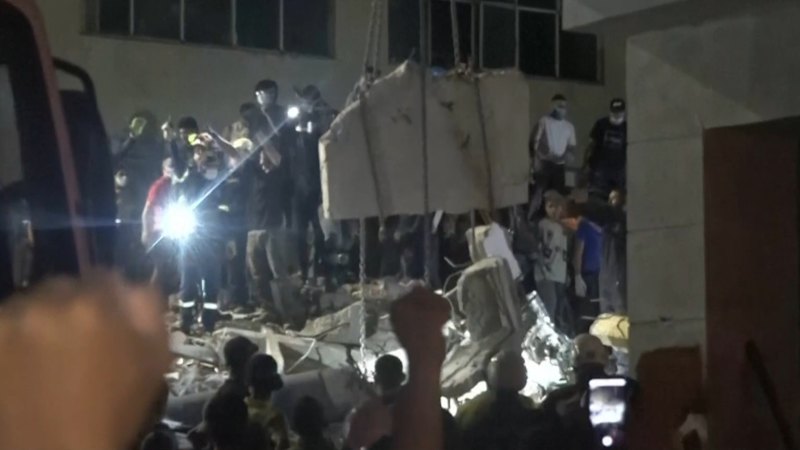
The heavy machinery grinds to a halt. The frantic shouts of onlookers fade. Fifty people hold their collective breath, turning the street into a sea of statues. Mateo drops to his knees, pressing his ear against a jagged slab of concrete. He holds an acoustic listening device, a sensitive probe designed to catch the faint whispers of life beneath the ruins.
Silence.
The wind howls through the valley, carrying the smell of crushed mortar and damp earth. Mateo closes his eyes, tuning out the chaos of his own mind. He visualizes the physics of the collapse—how floors pancake, how hollow spaces form beneath heavy furniture, where a human body might find refuge.
Tap. Tap.
It is barely audible. A rhythmic, ghostly percussion against stone.
A sound that defies the weight of the mountain.
Cheers erupt behind Mateo, but he quiets the crowd with a sharp gesture. Hope is a fragile thing; false alarms can break a rescue team faster than fatigue. He speaks into his radio, his voice steady, though his hands tremble.
"We have a signature. Sector four. Bring up the hydraulic jacks, carefully. We have movement."
What follows is agonizingly slow. Modern rescue is not about brute force. It is a game of microscopic margins. Move a beam an inch too far to the left, and the entire structure shifts, crushing the very life you are trying to save. Every heave of the hydraulic spreader is met with the metallic shriek of stressed steel.
Beneath the rubble, Maria hears the mechanical whine. It vibrates through the stone, traveling straight into her bones. Fear spikes—what if their tools bring the ceiling down? But then she hears human voices. Muffled, distant, but undeniably real. She gathers the last reserves of her strength, scraping her knuckles against a rusted pipe.
Clink. Clink.
Up above, Mateo hears the metallic echo. They are close. So close.
The physical toll of these operations is rarely captured in headlines. Rescuers work for twenty, thirty hours straight without sleep, driven by adrenaline and the haunting knowledge that every minute brings them closer to a tragedy. Their shoulders ache; their lungs burn from the concrete dust that settles deep into their chests. It is a grueling, intimate dance with mortality. You look into the abyss of another human being's worst day, and you pull them back by sheer willpower.
A crack of light cuts through the darkness.
For Maria, the blinding white glare of the rescue flashlight is the most beautiful thing she has ever seen. Dust motes dance in the beam like tiny stars. A gloved hand reaches down through the jagged gap, warm and steady.
"I've got you," a voice says. "You're safe now."
They pull her out inch by inch, cradling her bruised body as if she were made of glass. When she finally emerges into the mountain air, the sunlight hits her face, sharp and warm. She gasps, tasting oxygen that doesn't taste like dust.
Down in the valley, the aftershocks continue to rumble, tiny tremors that remind everyone the earth is still restless. But the streetlights flicker back on. Blankets are wrapped around shivering shoulders. Cups of hot, sweet coffee are passed from hand to hand.
The mountain tried to swallow them whole. It failed.