The air inside the summit dining room is always exactly sixty-eight degrees, but it never feels cool. It feels heavy. It tastes faintly of beeswax polish, expensive veal, and the distinct, metallic tang of collective anxiety.
When the world’s most powerful leaders sit down at a G7 summit, they are not just politicians meeting for a working lunch. They are actors trapped in a high-stakes theater where every involuntary eye twitch is analyzed by intelligence agencies, and every forced smile is broadcast to a watching planet. If you enjoyed this article, you might want to read: this related article.
This year, the seating chart is a geopolitical minefield.
Imagine the sheer physical awkwardness of the room. On one side of the white linen sits a man who spent the last several months using his massive social media megaphone to publicly humiliate, mock, and threaten almost every person at the table. On the other side sit the targets of those tirades. They cannot walk away. They cannot log off. They have to pass the salt. For another perspective on this story, refer to the latest update from Al Jazeera.
Donald Trump is back at the table, and the global diplomatic corps is holding its collective breath.
The Geography of Grudges
Diplomacy is usually built on a foundation of polite hypocrisy. Leaders pretend to like each other for the sake of global stability. They exchange pleasantries, compliment each other’s national cuisines, and sign communiqués that their staffers spent six months arguing over.
But the current dynamic defies every traditional rule of the game. We are witnessing an unprecedented experiment in international relations: what happens when personal insults meet hard power?
Consider the French delegation. Emmanuel Macron has spent years positioning himself as the sophisticated counterweight to American populism. He prides himself on intellectual nuance, historical depth, and European strategic autonomy. Yet, he now faces an American president who has openly mocked his poll numbers, criticized his trade policies, and treated the traditional Franco-American alliance like a bad real estate deal.
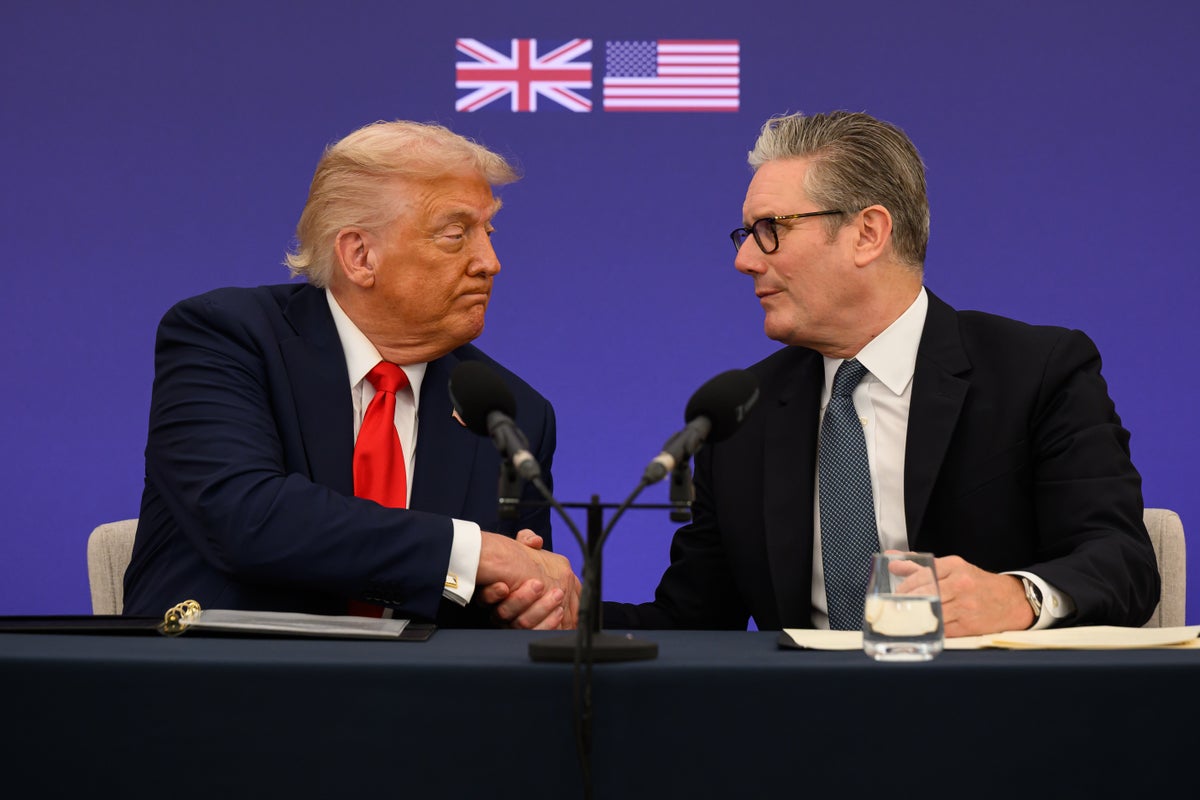
The tension is not abstract. It is palpable in the way a handshake lasts a fraction of a second too long, or how a gaze deliberately fixes on a water glass to avoid eye contact across the flowers.
Then look at the British. The Special Relationship has always been a comforting myth that both sides of the Atlantic tell themselves to feel safer in a dangerous world. But that myth stretches to a breaking point when the American commander-in-chief uses his platform to berate British leadership, weigh in on their domestic elections, and question their defense spending.
The diplomats in the back of the room know the stakes. They stand by the velvet curtains, clutching their leather briefcards, watching the body language like hawks. When Trump leans back in his chair and crosses his arms, the entire room shifts its weight. It is a masterclass in dominant psychology. He knows he has spent months attacking these people, and more importantly, he knows they know he does not care.
The Architecture of the Threat
To understand why this dinner is so excruciating, you have to understand how international power actually works. It is not just about armies and gross domestic product. It is about predictability.
For seventy years, the Western world operated on a simple assumption: the United States would defend its allies, support open markets, and maintain the global rules of the road. That assumption allowed Europe to rebuild after World War II, allowed Japan to become an economic powerhouse, and created the modern global economy.
Trump’s rhetoric acts as a wrecking ball to that predictability. When he threatens to slap 20% tariffs on European cars, he isn't just talking about trade balances. He is threatening the livelihoods of factory workers in Stuttgart and logistics managers in Rotterdam. When he suggests that the U.S. might not honor NATO’s mutual defense clause for countries he deems "delinquent," a cold shiver runs through the Baltic states and Warsaw.
Hyperbole? Perhaps. A negotiating tactic? Often.
But for the leaders sitting at that table, it feels like a gun on the sideboard. They are forced to play a game where the rules change mid-turn, dictated by the mood of a single man who views international relations not as a network of shared values, but as a series of binary wins and losses. You are either the hammer or the anvil.
The View from the Other Side
It is easy to paint this scenario as a simple story of a bully disrupting a polite club. But that misses the deeper, more unsettling truth that makes this summit so fascinating.
Trump’s critiques, however crudely delivered, often tap into real, systemic frustrations that many Americans share. For decades, Washington has complained that European allies were free-riding on American defense spending, using the U.S. security umbrella to fund generous domestic social programs while neglecting their own militaries.
When Trump rants about trade deficits or NATO bills, he is channeling a profound domestic exhaustion with the burdens of global empire. The leaders at the table know this. They hate the way he says it, but they cannot entirely deny the underlying math.
This creates a complex psychological dynamic. The European leaders are defensive because they feel insulted, but they are also vulnerable because they know their own public opinions are fractured. They are dealing with their own rising populist movements at home, leaders who look at Trump’s style and see a blueprint for their own political survival.
So, how do you handle a counterpart who thrives on chaos?
The strategies at the table vary wildly. Some try the flatterer’s approach, attempting to appeal to the American president’s ego with lavish state visits and public praise. Others try the legalistic defense, coming armed with charts, data, and trade statistics to prove that the alliance is mutually beneficial.
None of it seems to work for long. The data is pushed aside. The flattery is accepted as a due entitlement, then forgotten when the next policy dispute arises.
The Invisible Ghosts in the Room
As the courses are cleared and the coffee is poured, the conversation turns to the burning crises of the day. Ukraine. The Middle East. Supply chain vulnerabilities. The rise of assertive authoritarian powers in the East.
These are the moments where personal awkwardness must yield to grim reality. The tragedy of the current fracture is that the world has rarely needed a unified Western alliance more than it does right now.
While the democratic leaders argue over past insults and trade tariffs, rival powers are watching closely. They see every public disagreement, every hesitant joint statement, and every cold shoulder as a sign of decay. They gamble on the idea that the West is too fragmented, too self-absorbed, and too exhausted to stand firm when the pressure mounts.
The real tragedy is that everyone at the table knows this.
They know that the internal bickering is a luxury they can ill afford. Yet, the human ego is a stubborn thing. It is incredibly difficult to sit opposite someone who has publicly questioned your competence, insulted your intelligence, or threatened your nation’s economic survival, and then calmly negotiate a unified strategy on global security.
The dinner drags on. The translations take time, stretching out the silences, making the space between words feel vast and dangerous.
The Final Bill
When the summit ends, there will be a family photo.
The leaders will stand on a riser, arranged by protocol and seniority. They will look toward the cameras. They will smile because the photographers demand it, and because the markets need to see stability.
Trump will likely stand near the center, a towering physical presence, looking entirely unfazed by the storm of his own creation. The others will adjust their jackets, offer tight, practiced smiles, and try to look like they are in control of history.
But the photo will be a lie.
The real story of the summit is found in the unscripted moments—the heavy silence before the main course arrives, the deliberate clearing of a throat, the way a leader's hand grips the edge of the table as the man across from them begins to speak. The Western alliance used to be held together by a shared belief in a common destiny. Tonight, it is held together by something far more fragile: the sheer, agonizing necessity of sharing a room with a man you cannot afford to ignore, but cannot bring yourself to trust.