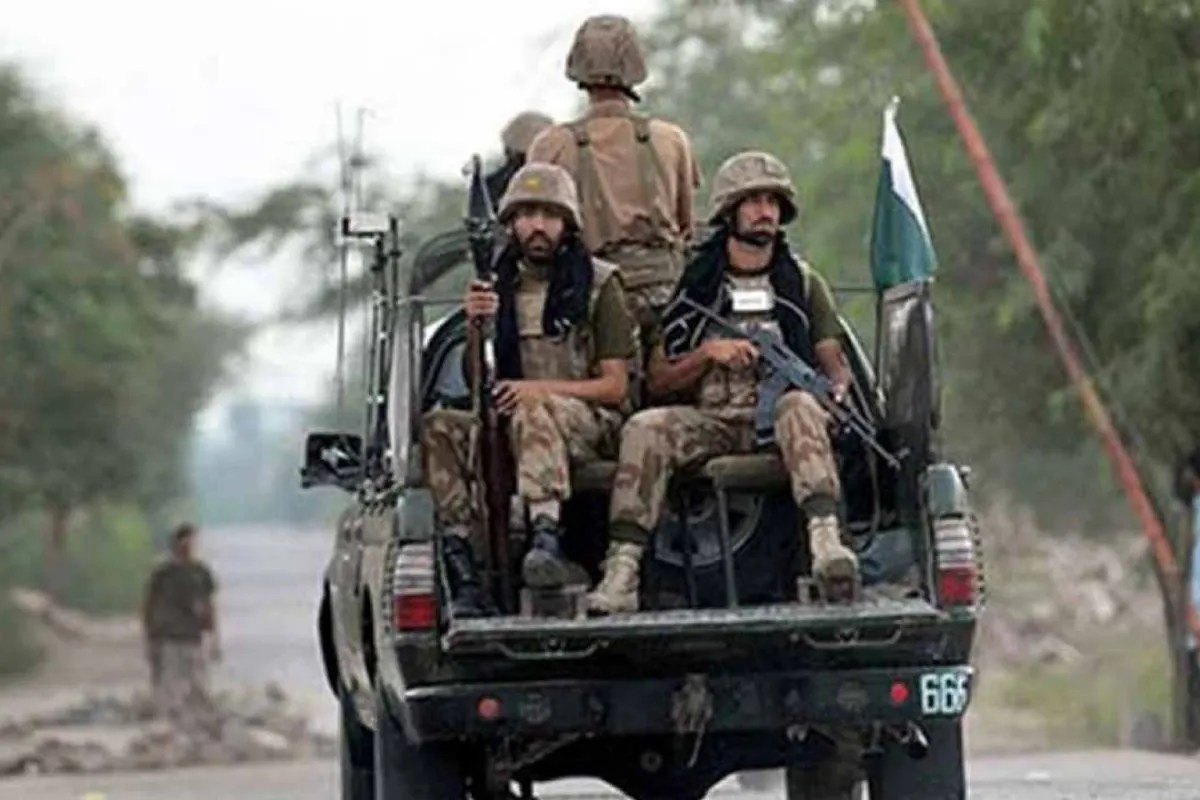
The wind does not ask permission to cross the Durand Line. It sweeps down from the rugged peaks of the Hindu Kush, carrying the scent of dry earth, old dust, and the quiet, unending tension that has defined the borderlands for generations. In the high valleys where the shadows stretch long before midday, silence is rarely peaceful. It is a weighted thing. A prelude.
Dawn broke over the rugged terrain of Balochistan with a pale, cold light. For the villagers living in the shadow of these border ridges, morning usually arrives with the sound of bleating goats or the rhythmic scrape of a wooden plow. Today, however, the morning arrived with the sharp, unmistakable crack of gunfire that shattered the thin mountain air.
Seven.
That was the number whispered through the local communications lines before the smoke had even cleared from the rocky gullies. Seven armed fighters belonging to the Tehrik-i-Taliban Pakistan, known widely as the TTP, had reached the end of a very long, very dark road.
To understand why seven lives ending in a remote border skirmish matters, one must look past the dry military bulletins that flash across television screens in Islamabad or Peshawar. A cold statistic in a morning dispatch represents an entire ecosystem of fear that has plagued the region for years. The TTP is not an abstract political philosophy; it is an insurgency woven into the rough fabric of local geography, leveraging porous borders, difficult terrain, and deep-seated grievances to sustain a campaign of violence against the state.
Consider the landscape. These are not manicured suburbs or well-paved metropolitan avenues. These are vertical worlds. Vertical cliffs, hidden caves, and ancient smuggling routes that have been used by empires, armies, and outlaws for centuries. When Pakistani security forces launched this particular intelligence-based operation, they were not merely engaging an enemy in a tactical firefight. They were navigating a labyrinth where every boulder could conceal an ambush, and every shadowed ravine could hide an explosive device.
The operation itself was born long before the first trigger was pulled. Months of surveillance, intercepted communications, and quiet intelligence work preceded the dawn raid. In modern counter-terrorism, the dramatic firefight is only the final, violent punctuation mark on a very long sentence written by analysts, informants, and scouts operating in the shadows.
When the elite units moved in, the element of surprise was their primary currency. In terrain like this, defensive advantage always rests with those who hold the high ground. To dislodge entrenched combatants requires precision, immense physical endurance, and a willingness to step directly into the line of fire.
The exchange was fierce, brief, and absolute. For all the sophistication of modern weaponry, combat in these altitudes remains an intensely raw, human experience. It is the smell of cordite mixing with wild thyme. It is the dry rattle of stones kicked loose by running boots. It is the heavy breath of soldiers carrying heavy gear up steep inclines where thin air burns the lungs.
When the dust settled and the peaks grew quiet once more, seven militants lay dead. Weapons, ammunition, and explosive materials were recovered from the site—physical proof of plans that would now never be executed, attacks that would now never make the morning news as tragedies for innocent civilians.
Yet, as the helicopters lifted off and the valley returned to its eerie, wind-swept stillness, a profound question hung in the air. What does victory actually look like in a conflict without a conventional front line?
Insurgencies do not surrender because a single cell is dismantled. The TTP has proven resilient, adapting to pressure by fragmenting into smaller, decentralized units that melt back into the civilian population or retreat across international boundaries when cornered. Every successful operation is a vital shield raised to protect the populace, but it is also a reminder of the relentless vigilance required to keep the darkness at bay.
The soldiers who walked back down the mountain path won't talk much about glory. In places like this, glory is a luxury for those who watch from a distance. For the men on the ground, survival is the immediate victory, and the protection of their homeland is the quiet burden they shoulder with every step.
Night is falling again over the border ridges. The temperature drops sharply, turning the sweat on the rocks into a thin, icy glaze. The wind returns, howling through the passes, indifferent to politics, indifferent to ideology, indifferent to the seven lives that ended just hours before. The mountains remain. The border remains. And the watch continues.


