When a swarm of long-range drones starts tearing up the skies over an election center or skimming past commercial airliners, it's pretty clear the old rules of modern conflict are out the window. Ukraine's escalating campaign of deep-strike drone operations targeting the Russian capital isn't just a military tactic anymore. It's a calculated strategy to bring the reality of a grinding war directly to the doorsteps of everyday citizens who spent years trying to ignore it.
If you look back at how this conflict started, the idea of hundreds of explosive-laden aircraft hitting targets hundreds of miles inside Russian territory sounded like science fiction. Now, it's a regular Tuesday. You might also find this related story interesting: Who Actually Gets Hit When Trump Signs Off on Russia Sanctions From Hell.
Why Distance No Longer Protects Moscow
For a long time, the Kremlin's strategy relied on a simple geographic illusion. You keep the fighting near the border, you draft soldiers from distant rural provinces, and you let Moscow stay cozy, wealthy, and politically detached. But drone technology changed the math completely. Low-cost, long-range systems don't care about traditional air defense buffers. They slip under radar sweeps, hug terrain features, and use basic guidance packages to reach critical nodes.
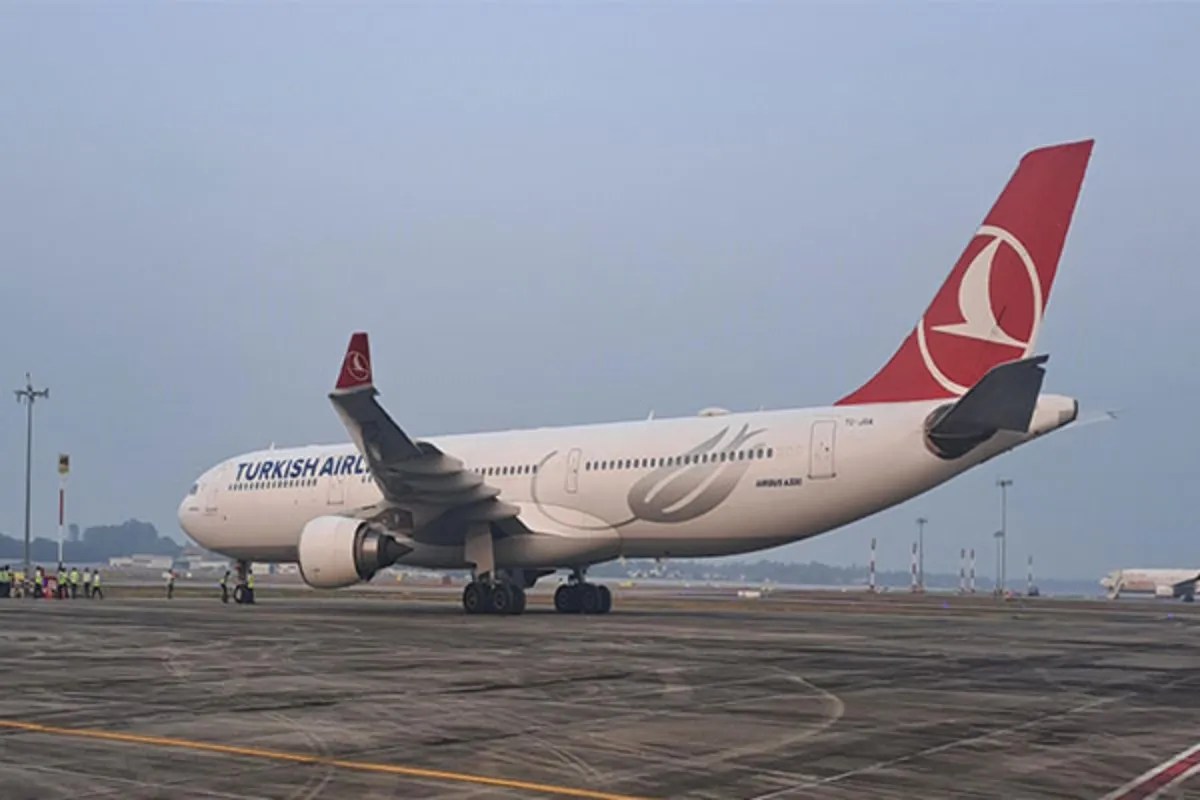
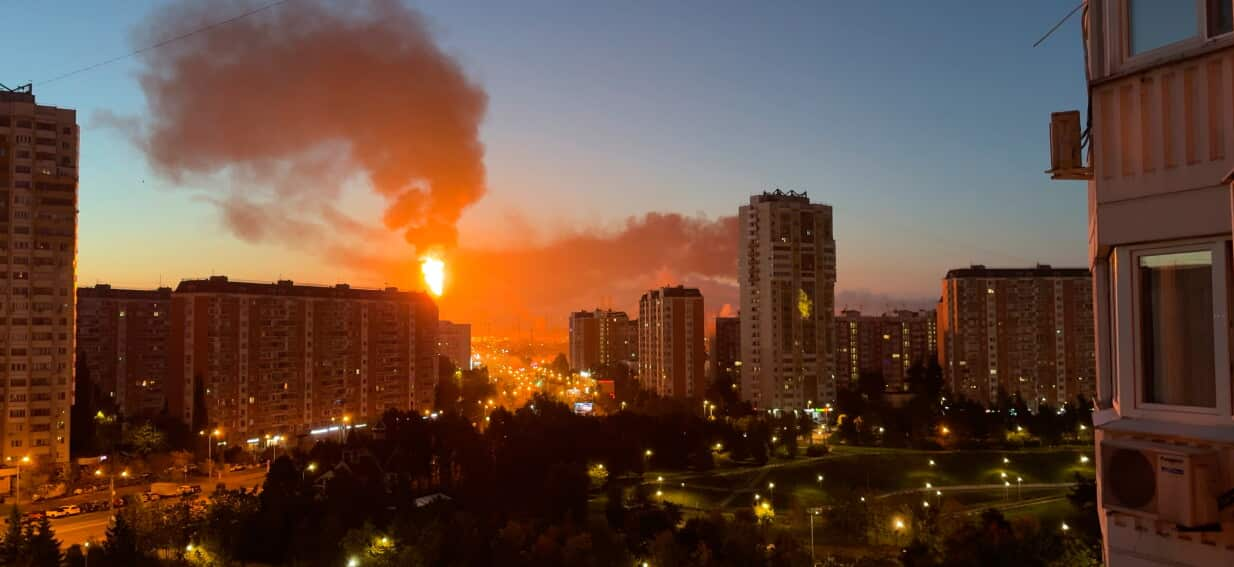
When authorities report massive waves of incoming aircraft—sometimes numbering in the hundreds during high-stakes political moments like national elections—the goal isn't just military destruction. It's psychological disruption. Moscow's major airports get grounded. Refineries catch fire. Smoke plumes rise where morning commutes usually dominate the skyline. As reported in detailed reports by NBC News, the results are worth noting.
The Economic and Strategic Toll
Beyond the political theater, these strikes target the machinery keeping the Russian state running. Energy infrastructure remains a primary objective. Refineries, fuel depots, and industrial hubs take heavy hits, causing local shortages and forcing the government to divert air defense batteries away from the front lines in Ukraine to protect prestige assets closer to home.
You can't defend every square mile of airspace with expensive surface-to-air missiles. When an asymmetric weapon costs a fraction of the interceptor fired at it, the defender loses the economic battle over time. That math is precisely what Kyiv is exploiting.
The public reaction tells the real story. Footage of civilian apartment windows blown out in the Moscow region or debris scattered across airport tarmacs strips away the clean, sanitized version of the war broadcast on state television.
What Comes Next in the Air War
As long-range guidance systems get smarter and production scales up, expect these deep strikes to become even more frequent. The psychological shield protecting major Russian urban centers has cracked permanently, and neither side has any incentive to stop scaling up the tech.