For decades, chronic traumatic encephalopathy possessed a terrifying exclusivity. You could only secure the diagnosis after you were dead. Pathologists sliced open brain tissue, hunted for microscopic clumps of hyperphosphorylated tau protein choked around small blood vessels, and handed grieving families a posthumous verdict. That absolute barrier is finally cracking. Researchers across specialized academic medical centers are closing in on living biomarkers, blood assays, and advanced molecular imaging designed to spot the signature damage while a patient can still breathe.
This breakthrough carries a dark weight. When medical science gains the power to name a progressive neurodegenerative condition in a living person without a definitive cure or an absolute method to halt its spread, it opens a Pandora's box of psychological fallout, diagnostic overreach, and a clinical stampede that routinely outpaces factual certainty.
The Anatomy of a Ghost Disease
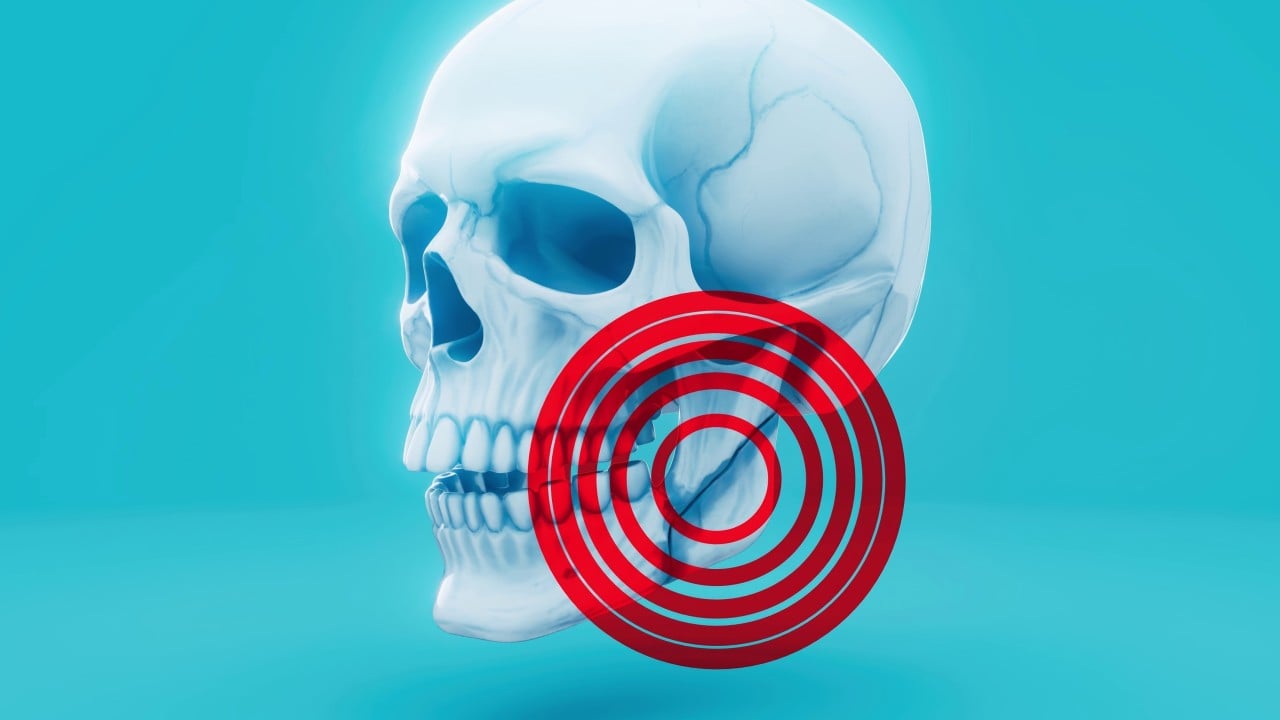
To understand why diagnosing this condition in the living remains such a perilous pursuit, one must look at what happens inside the cranium during repetitive impact. Unlike a severe concussion—which arrives with flashing lights, dizziness, and a clear moment of trauma—chronic traumatic encephalopathy builds through accumulation. Hundreds or thousands of subconcussive blows sustained over years on a football field, inside a boxing ring, or during military deployment rattle the brain tissue against the rigid interior of the skull.
Shearing forces tear microscopic axons. Blood vessels rupture on a microscopic scale. In response, structural proteins begin to malfunction. Tau proteins detach from microtubules, fold incorrectly, and aggregate into toxic tangles. These tangles spread slowly through the cortex, choking neural pathways and killing brain cells long after the athlete has hung up their cleats or the soldier has returned home.
For a long time, neurologists could only guess at the cellular wreckage. They relied on retrospective histories of head trauma, behavioral changes, memory loss, and explosive irritability. But guessing is not science. Without a physical signature identifiable in a living patient, the field languished in a grey zone of suspicion and denial.
Chasing Shadows with Tracers and Blood
The recent shift centers on molecular tools designed to catch tau accumulation before the tissue fails entirely. Scientists are deploying specialized positron emission tomography scans using radioactive tracers designed to bind specifically to abnormal tau proteins. When the scanner lights up, it purportedly shows where the protein deposits are clustering in the living brain.
Simultaneously, laboratories are examining fluid biomarkers. Blood and cerebrospinal fluid tests now measure neurofilament light chain, a protein that leaks into circulation whenever nerve cells are actively damaged, alongside specific phosphorylated tau variants. These assays offer a numerical readout for ongoing neurodegeneration. A blood draw replaces the autopsy knife.
The appeal is obvious. Patients who have spent years suffering from cognitive decline, mood swings, and erratic memory finally receive an explanation that does not rely on hand-waving or psychiatric dismissal. Families caught in the purgatory of unexplained behavioral changes get a medical name for the enemy.
Yet the transition from research cohorts to standard clinical practice is fraught with peril. The human brain is a notoriously complex organ, and it rarely displays its pathology in isolation.
The Diagnostic Minefield of Overlap
The central crisis facing neurologists attempting to diagnose chronic traumatic encephalopathy in living patients is the immense overlap with other conditions. Tau protein aggregation is not exclusive to head trauma. It is the defining hallmark of Alzheimer's disease, frontotemporal lobar degeneration, and several other primary tauopathies.
When a 55-year-old retired lineman walks into a clinic complaining of severe memory lapses, depression, and executive dysfunction, a positive tau scan or elevated blood biomarker does not automatically point a finger at past hits to the head. It points to tau accumulation. Sorting out whether that accumulation stems from athletic trauma, early-onset Alzheimer's, chronic post-traumatic stress disorder, or simple aging is an exercise in statistical probability rather than absolute certainty.
Misdiagnosis carries catastrophic consequences. If a patient suffering from treatable major depressive disorder or chronic traumatic stress is mistakenly handed a definitive label of an irreversible, degenerative brain disease, the psychological impact can be immediate and devastating. The medical establishment risks creating a self-fulfilling prophecy of despair, where patients abandon hope because a biomarker test flagged a protein that might have been influenced by entirely different metabolic or psychiatric factors.
Furthermore, the commercial sector has already sniffed out an opportunity. Private clinics are rushing to market unvalidated diagnostic panels and speculative imaging packages to desperate athletes and veterans. They offer certainty where none exists, charging thousands of dollars for interpretations that mainstream neuropathologists view with deep skepticism.
The Weight of a Premature Verdict
Medicine has always wrestled with the ethics of diagnostic capability. Should you test for a disease you cannot treat? When that disease carries severe social stigma, behavioral manifestations, and a historical association with despair and suicide, the question becomes sharper.
Giving a living patient a high-probability label of chronic traumatic encephalopathy changes the trajectory of their remaining years. It transforms every forgotten word, every flash of temper, and every headache into evidence of an inexorable slide into dementia. Autopsy studies have revealed cases where individuals lived with significant tau pathology for decades without showing clinical symptoms until late in life, while others with seemingly minor pathology suffered severe psychiatric decline. The correlation between the physical deposit and the human experience remains stubbornly unpredictable.
Researchers are currently hammering out formal clinical criteria under the banner of traumatic encephalopathy syndrome, attempting to establish rigorous guardrails for when a living diagnosis can be responsibly discussed. They emphasize that the current tools are probabilistic. They indicate risk and correlation, not an absolute sentence.
The drive for answers is understandable. Millions of dollars and thousands of careers are tied to understanding the long-term cost of contact sports and military service. But the rush to validate living diagnoses risks reducing complex human suffering down to a single protein stain. Science is pushing past the old boundary that required a dead brain to understand the living cost of violence. As it crosses that line, the burden of proof grows heavier, and the danger of getting the answer wrong increases with every patient who sits across the desk waiting for a verdict.