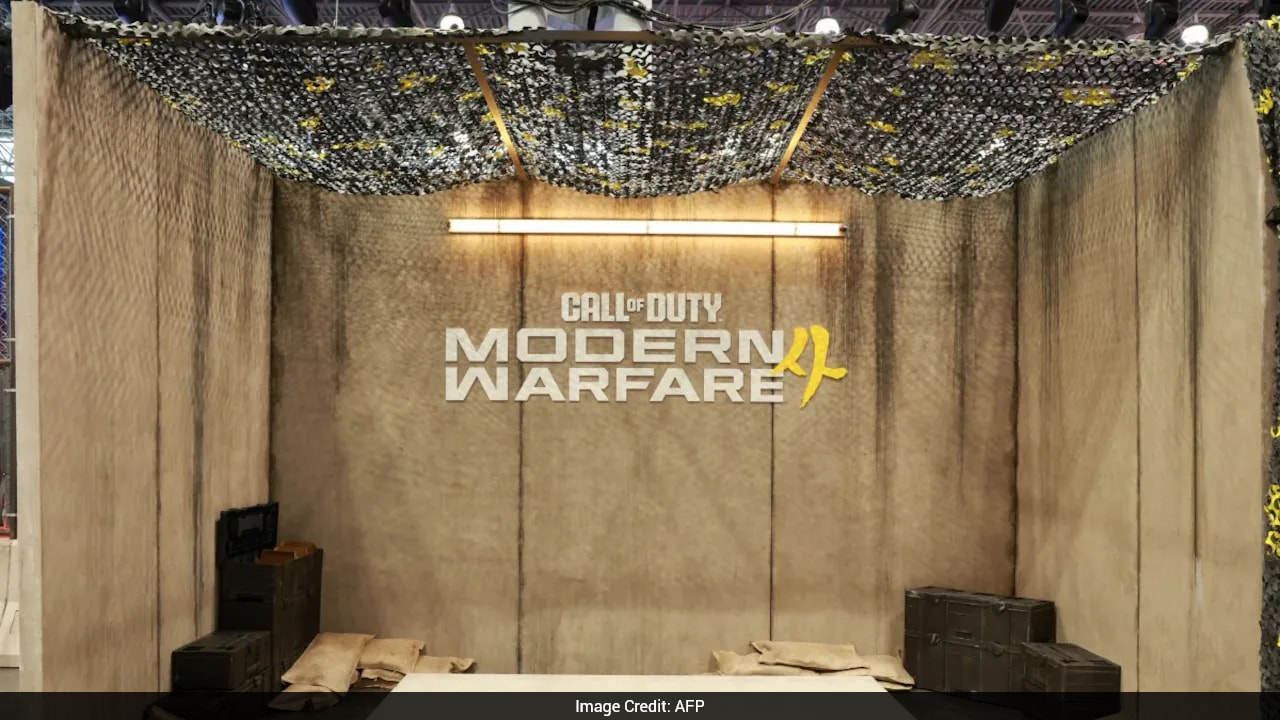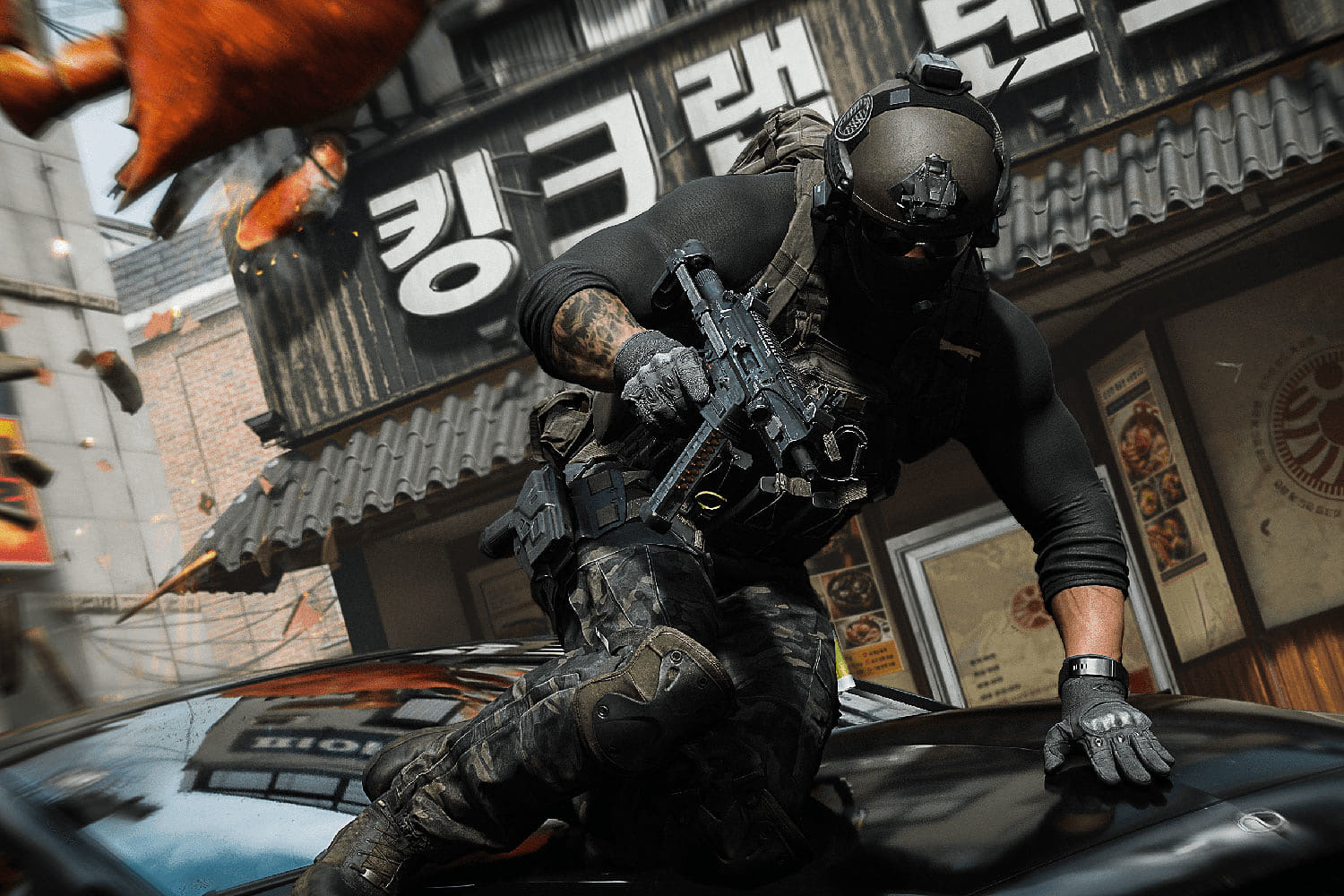
Live-service game development operates on multi-year production schedules that frequently collide with real-world tragedies, forcing publishers into rapid, high-cost content excision to prevent brand equity erosion. When Activision removed real-world footage referencing the 2022 Itaewon crowd crush in Seoul from promotional materials for Call of Duty: Modern Warfare II, the decision exposed a structural vulnerability in modern entertainment pipelines: the inability to isolate topical marketing assets from core game builds once a global release cycle enters its terminal phase.
Standard coverage treats this incident as a simple public relations misstep resolved by a quick edit. That framing misses the underlying operational mechanics. Removing content days before or immediately after launch is not a matter of deleting a video file; it is an emergency supply chain intervention involving localized asset tracking, platform certification bottlenecks, and reputational risk mitigation across disparate cultural markets.
The Structural Friction of Real-World Realism
Military shooters rely on hyper-realism to drive player immersion and justify premium price points. This design philosophy creates an inherent operational hazard. Development teams pull reference photography, audio recordings, and news-style broadcast assets years in advance to ground fictional conflicts in recognizable geopolitical reality.
Because AAA development cycles span three to five years, assets created during pre-production sit in repositories long before a game ships. By the time a title reaches final certification, the geopolitical and cultural context surrounding those assets has often shifted. In the case of the Seoul tragedy, the inclusion of real-world disaster imagery in a marketing or in-game broadcast sequence transitioned overnight from background texture to an acute reputational liability.
This creates a specific operational bottleneck:
- Asset Entanglement: Promotional trailers and in-game cinematic sequences frequently share a unified asset pipeline. Extracting a single sequence requires auditing both external marketing channels (YouTube, social media, broadcast television) and internal game files (cutscenes, environmental textures, localization audio).
- Asynchronous Cultural Sensitivity: Global publishers distribute identical builds across dozens of territories. An asset that registers as generic background noise in North America can trigger severe regulatory scrutiny, consumer boycotts, or platform delisting in South Korea.
- Certification Latency: Modifying compiled console builds requires passing first-party certification checks from Sony and Microsoft. While promotional trailers can be pulled from digital storefronts within hours, altering in-game assets demands a day-one patch or server-side hotfix, compressing quality assurance timelines from weeks to hours.
The Cost Function of Late-Stage Content Excision
When a publisher executes an emergency removal of controversial content, the financial impact extends well beyond the labor hours required to re-edit a trailer. Management must calculate the trade-off between immediate remediation costs and long-term brand damage.
The direct costs are operational. Video editors, localization engineers, and quality assurance testers must be pulled from post-launch support schedules to scrub the offending material, verify that its removal does not break narrative continuity or trigger software crashes, and re-upload compliant files across global content delivery networks. If the asset is embedded in physical disc prints already shipped to retail warehouses, the publisher must deploy a mandatory day-one update, risking negative user friction for players with limited bandwidth.
The indirect costs are reputational and commercial. South Korea represents one of the highest-grossing PC and mobile gaming markets globally, with strict cultural expectations regarding corporate sensitivity to national tragedies. Allowing the footage to remain live would have alienated a high-value demographic, damaged relationships with regional distribution partners, and invited formal intervention from South Korea’s Game Rating and Administration Committee (GRAC).
Deconstructing the Outcry-to-Action Pipeline
The speed at which Activision moved from public backlash to content removal demonstrates how modern community feedback loops dictate executive decision-making. Unlike traditional media, where audience sentiment is measured through delayed sales data or focus groups, gaming ecosystems provide real-time telemetry on brand sentiment.
- Detection: Community members or regional journalists identify the sensitive asset within hours of a trailer drop or early-access stream.
- Amplification: Social media algorithms prioritize high-emotion outrage, pushing localized criticism from regional forums (such as Korean community boards) into global gaming press within a single news cycle.
- Escalation: Regional brand managers flag the sentiment spike to corporate communications and legal teams, bypassing standard middle-management review chains.
- Triage: Executive leadership evaluates whether the asset is mechanically essential to the product. Because the Seoul footage served an atmospheric rather than a gameplay function, its removal carried zero impact on core user retention.
- Execution: Marketing teams pull the master video files, issue a standardized acknowledgment, and push replacement assets to distribution partners.
Operational Limitations of Reactive Auditing
Relying on public outcry to catch culturally sensitive material is a broken risk-management model. It forces companies into a defensive posture where every correction is public, permanent, and attached to negative press coverage. However, preemptive auditing carries its own structural limitations.
No internal review board can predict every real-world tragedy that might occur between asset creation and product launch. A scene depicting a crowded urban transit hub or a natural disaster is standard fare in action entertainment until an identical event occurs in the physical world days before release. Over-correcting by sanitizing all real-world parallels strips military and thriller franchises of the gritty authenticity their core audiences demand.
Furthermore, automated asset-tracking systems struggle to flag contextual sensitivity. Software can detect copyrighted music or prohibited symbols, but it cannot evaluate whether a three-second news clip mirrors a recent humanitarian crisis. That evaluation requires human judgment from regional specialists who possess deep cultural fluency—a resource many publishers underfund until a crisis forces their hand.
Institutionalizing Pre-Release Cultural Triage
To prevent future emergency edits, publishers must shift cultural risk assessment from a reactive public relations function to an integrated stage-gate within the production pipeline.
- Isolate Real-World Archival Media: Development teams should tag all external news footage, real-world architecture scans, and historical references inside asset management software. Tagging allows engineers to locate and swap high-risk files within minutes rather than manually scrubbing terabytes of raw project data.
- Establish a 72-Hour Pre-Launch Hold: Marketing and legal teams must conduct a mandatory geopolitical and news-cycle audit 72 hours before any major trailer release or content patch. This final check ensures that promotional beats do not inadvertently collide with breaking global disasters.
- Empower Regional Veto Authority: Regional brand leads in key territories—such as Seoul, Tokyo, and Berlin—must hold direct escalation pathways to executive producers during the final 30 days before launch. Giving local teams the authority to flag sensitive imagery prior to public release eliminates the reputational cost of public backtracking.