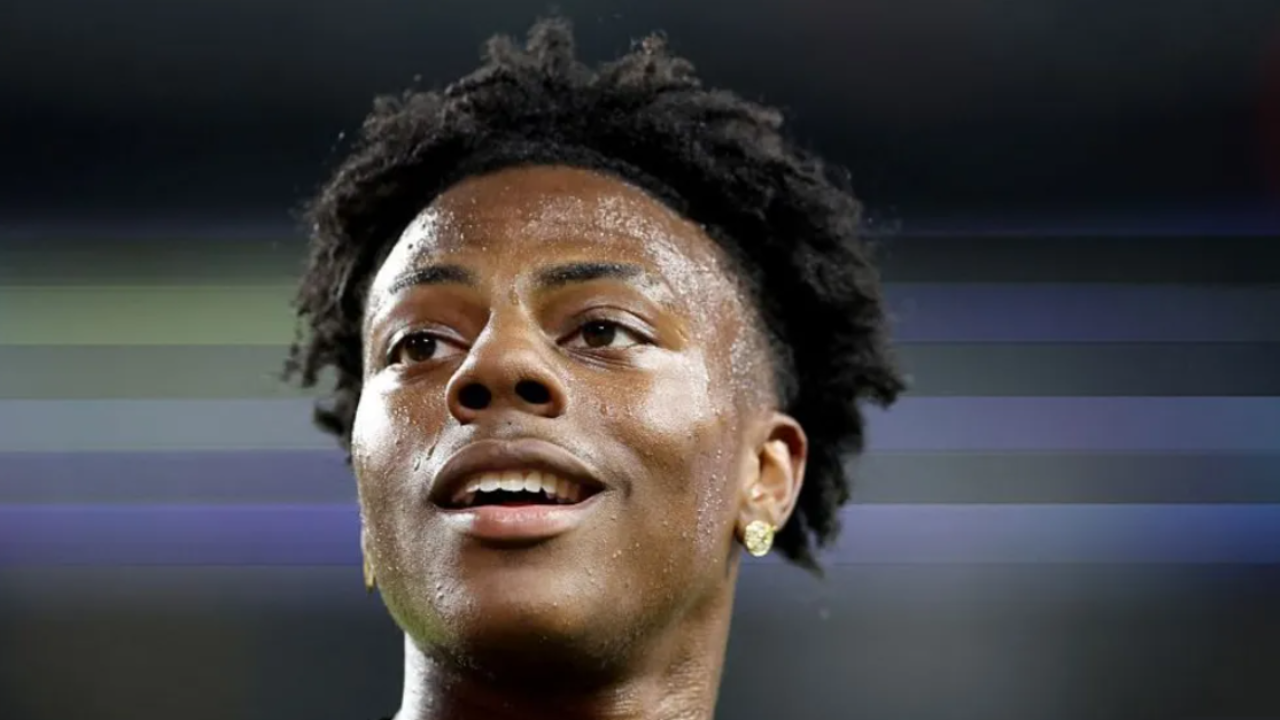
Stop looking at the 2022 tournament as the final chapter. Everyone thought the storybook was completely finished when he lifted the trophy in Qatar, but Lionel Messi just blew up the history books again in Arlington, Texas. By punching in two goals against Austria at AT&T Stadium, he didn't just carry Argentina into the 2026 knockout rounds. He became the most prolific scorer in men's World Cup history, standing alone at 18 tournament goals.
Think about the sheer absurdity of doing this at 38 years old. Most players are dynamic analysts or enjoying beach retirements at this age. Messi is busy breaking a 12-year-old record held by German clinical striker Miroslav Klose.
If you think this record is just another casual milestone that will fall in a few tournaments, you're deeply mistaken. The standard narrative says modern attackers have it easier with expanded tournament formats, but what Messi is doing right now defies normal physical regression. He has scored all five of Argentina's goals in this tournament. Five. He's not riding the bench or poaching garbage-time penalties. He's the entire engine.
What Most People Missed in the Drama Against Austria
Everyone will look at the final 2-0 scoreline and assume it was a routine day at the office. It wasn't. Honestly, it started out as a nightmare that would have broken a lesser player's composure.
In the ninth minute, Lautaro Martinez drew a clear penalty after getting tangled up with Xaver Schlager and Stefan Posch. Messi stepped up. The stadium went completely silent. Then, he uncharacteristically dragged his left-footed shot wide of the right post. It was a shocking blunder. He has now missed spot-kicks in three consecutive World Cups, leaving his regulation penalty record at a mediocre 4 for 7.
Messi's 2026 World Cup Performance So Far
Opponent    Goals Scored    Match Impact
Algeria     3               Hat-trick in 3-0 opening victory
Austria     2               Broke Klose's record in 2-0 win
Total       5               100% of Argentina's tournament goals
But elite sports psychology isn't about being perfect. It's about what you do thirty minutes after a disaster. In the 38th minute, Thiago Almada dummy-let Facundo Medina's sharp pass run straight through the box. Messi didn't even blink. He caught Austrian keeper Alexander Schlager moving the wrong way and stroked a first-time shot from 20 yards out into the bottom-left corner.
That was goal number 17. The record was his. He added the 18th in stoppage time, sliding to hammer home his own blocked rebound.
The Physical Reality of Longevity at 38
Let's talk about expertise and physical durability because this is where standard sports commentary falls flat. Scoring 18 goals requires playing in an immense volume of deep tournament runs. Monday night was Messi's 28th World Cup match, extending his own all-time appearance record.
To put that in perspective, look at how Klose built his 16-goal tally. The German forward did it across four tournaments, wrapped up by winning the 2014 final against Messi's squad. Klose was an incredible, old-school penalty-box predator who benefited from playing in a hyper-consistent German machine that reached at least the semifinals in every tournament he played.
Messi's journey spans six distinct tournaments over two decades, starting as a long-haired 18-year-old coming off the bench to score against Serbia and Montenegro in 2006. He survived the chaotic Diego Maradona coaching era in 2010, the heartbreak of 2014, the tactical disaster of 2018, and the intense pressure cooker of 2022.
Maintaining elite tactical relevance across 20 years isn't just about talent. It's about brutal adaptation. The burst of pace he used in 2014 is gone. Instead, he reads space like a grandmaster. Against Austria, he spent large chunks of the match seemingly walking, conserving energy, waiting for the exact micro-second Almada would create an opening.
Can Anyone Actually Catch Him
If you want to look at the data objectively, there is only one real threat to this record on the planet right now: Kylian Mbappé.
The French captain entered the summer sitting on 14 World Cup goals. He's younger, faster, and plays for a nation that produces world-class talent on a production line. Klose himself pointed this out recently, noting that the expanded 48-team field gives modern strikers far more opportunities to pile up numbers against weaker group-stage opponents.
But assuming Mbappé will just breeze past 18 goals ignores the fragile nature of football careers. A single bad knee injury, a drop in national team chemistry, or a couple of premature knockout exits can end a pursuit instantly. Messi's record isn't just a number; it's a monument to avoiding major injuries and staying motivated after winning literally everything else in the sport. He even surpassed legendary Brazilian star Marta's mark of 17 goals, making him the absolute premier scorer across the entire history of global tournament football.
If you're tracking this race, watch the efficiency metrics rather than just the raw totals. Messi is currently operating at a blistering rate in 2026, scoring five goals from just ten total shots on target across his appearances against Algeria and Austria.
If you want to see exactly how he manufactured the record-breaking moment, the tactical footage tells the whole story. The way he adjusted his body shape before Medina's pass even reached the box is a masterclass in anticipation.
Your best next step to understanding his evolution is simple: stop watching the highlight reels of his 2012 dribbles. Go watch a full 90-minute tape of his current performances. Pay attention to his off-the-ball movement. Watch how he manipulates opposing center-backs without even touching the ball. That's the real blueprint behind why this record will likely stand for decades.