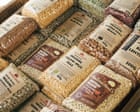
British shoppers are currently being fed a comforting, financially illiterate fairy tale by mainstream food writers. The lazy consensus dominating supermarket aisles right now is simple: swap expensive meat for humble jumping beans and lentils to protect your wallet while upgrading your plate. Publications point to soaring inflation and tighter household budgets, declaring that dry chickpeas and canned kidney beans represent the ultimate weapon for the cost-of-living crisis.
It is a completely romanticized narrative built on total economic ignorance.
I have spent the last fifteen years auditing supply chains, analyzing retail margins, and watching families burn through their free time trying to cook dry pulses from scratch because a lifestyle blogger told them it saves pennies. The math falls apart the moment you factor in opportunity cost, time, and hidden nutritional bioavailability.
Stop treating legumes as a magic bullet for household poverty. You are not saving money; you are simply shifting your expenses from your grocery bill straight into your gas and electricity accounts.
The True Cost Of Cheap Protein
Let us look at the raw unit economics that the mainstream media conveniently ignores. A bag of dry lentils costs pennies per kilo. On paper, it looks like an unbeatable bargain. But dry lentils do not arrive on your plate ready to eat. They require sorting, soaking, and extended boiling.
Imagine a scenario where a working parent earning the national average wage spends ninety minutes across a week soaking, rinsing, and simmering various batches of pulses to prep family meals. When you calculate the hourly value of that labor against the actual caloric yield and protein absorption rates, dry legumes stop looking cheap. They look like a regressive tax on your free time.
And what about canned varieties? Convenience costs a massive premium. The price of canned baked beans and chickpeas has spiked over recent years. By the time you buy enough convenience tins to match the protein density of a discounted block of tofu or a markdown chicken thigh, the financial advantage evaporates entirely.
The Biological Catch Nobody Mentions
Nutritional evangelists love to quote raw protein percentages on a food label. They look at a 100-gram serving of dry beans, see twenty-something grams of protein, and declare it a direct substitute for animal tissue.
Biology does not care about label math. Plant-based protein is notoriously locked behind complex anti-nutrients like phytic acid, tannins, and lectins. These compounds bind to minerals like iron, zinc, and calcium, sweeping them right through your digestive tract before your body can absorb them. Unless you are properly sprouting, fermenting, or aggressively pressure-cooking these ingredients, your actual net nutrient absorption is a fraction of what is printed on the package.
Amino acid profiles present an equally stubborn wall. Legumes lack sufficient quantities of methionine and cysteine. To get a complete amino acid profile required for true muscle protein synthesis, you have to combine them with grains. You are forcing your digestive system to process massive amounts of complex carbohydrates just to hit the same anabolic trigger that a single egg or a strip of mackerel achieves effortlessly.
The Culinary Empathy Gap
Food writers love writing about beans because they do not have to feed exhausted children at 6:30 PM on a Tuesday.
Kids reject unseasoned, mushy pulses for evolutionary reasons. Human biology is wired to seek out energy-dense fats and easily digestible proteins. Shoving a bowl of bland, watery lentils in front of a tired toddler is a recipe for behavioral warfare and food waste. When three-quarters of the pot ends up in the bin because nobody wants to eat it, your cost-per-serving calculations instantly double.
I see this constantly in urban households attempting radical diet overhauls to cut spending. They buy a pantry full of exotic grains and bulk beans, cook them once with zero culinary flair, realize it tastes like wet cardboard, and order takeaway instead. The financial damage of that single takeaway wipes out three months of supposed savings from the bulk bean aisle.
What You Should Do Instead
If your actual goal is surviving food inflation while improving your physical health, you need to abandon the bean obsession and pivot toward real efficiency.
- Embrace frozen fish and poultry: Supermarket freezer aisles are packed with frozen white fish fillets, chicken wings, and minced turkey sold at a fraction of the fresh counter price. They require zero prep, have near-zero food waste, and deliver highly bioavailable protein without the anti-nutrient baggage.
- Target the markdown clock: Stop buying ingredients based on recipes. Buy based on supermarket clearance algorithms. Hitting the store during final markdown windows yields whole cuts of meat and dairy at prices that make dry lentils look like a luxury item.
- Treat legumes as flavoring, not the foundation: Use beans and lentils as texture enhancers, thickeners, or side dishes rather than the core protein anchor of your meal. A handful of red lentils works brilliantly to body up a vegetable soup, but forcing them to carry your daily nutritional requirements is a losing battle.
The obsession with cheap pantry staples is a symptom of a culture that values looking frugal over living efficiently. Your kitchen is not a test kitchen for Victorian-era survival tactics. Stop treating your dinner plate as a poverty badge.