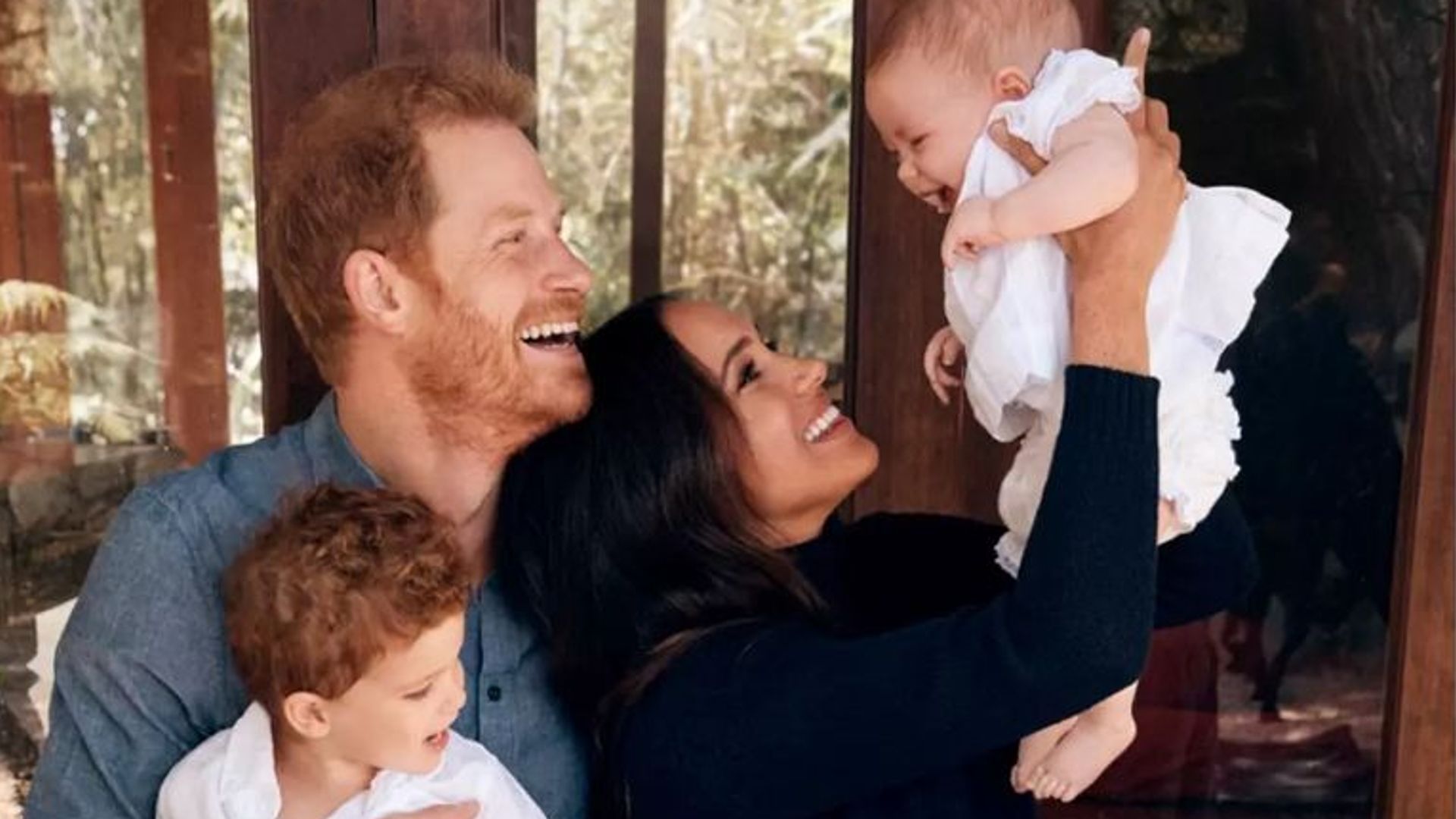
King Charles wants to see his grandchildren. That's the narrative driving the latest wave of royal headlines after reports surfaced that the Duke and Duchess of Sussex have been offered a suite of royal rooms for their upcoming UK visit. On paper, it sounds like a classic olive branch. The King, currently navigating ongoing cancer treatment, hasn't seen seven-year-old Prince Archie or five-year-old Princess Lilibet in person since the late Queen Elizabeth II's Platinum Jubilee back in 2022.
But if you think this offer means the royal rift is magically healing, you're missing the real chess game happening behind the palace walls. Meanwhile, you can explore related events here: The Weight of an Open Door.
The Sussexes are slated to travel from California to Britain next month to kick off the one-year countdown for the 2027 Invictus Games in Birmingham. Harry also has commitments lined up with his long-term patronages, WellChild and Scotty’s Little Soldiers. It marks a massive moment. It’s the first time the entire family is expected to cross the Atlantic together in four years. Yet, the offer of a royal roof over their heads isn't just about family harmony. It’s a logistical and public relations minefield for everyone involved.
The Real Reason Frogmore Mattered
Let's clear up a major misconception right away. When King Charles asked Harry and Meghan to vacate Frogmore Cottage in 2023, it wasn't just a petty eviction notice. It radically altered Harry’s legal standing regarding his personal safety. To understand the full picture, check out the excellent article by Bloomberg.
Inside the Windsor estate, Frogmore offered automatic, high-level security perimeter protection. Once the keys were handed back, the Sussexes effectively lost their permanent, secure British base.
Now, the King has reportedly opened the doors to a royal residence—with whispers pointing toward an apartment inside Buckingham Palace or rooms on the wider royal estate. Superficially, it solves the housing problem. But it doesn't solve the core issue that has kept Harry awake at night.
That issue is RAVEC.
The Executive Committee for the Protection of Royalty and Public Figures (RAvec) handles who gets taxpayer-funded police protection. Harry has been locked in a bitter, multi-year legal battle with the Home Office over their decision to strip him of his automatic security detail when he stepped down as a working royal in 2020.
Palace insiders are quick to clarify that while the King can offer a bedroom, he cannot command the Metropolitan Police. The Home Office operates independently on this. Charles has made no private security undertakings. So, while the couple has a safe place to sleep, the moment they step outside the palace gates for an Invictus event in Birmingham, their security status becomes a complicated, case-by-case assessment.
Why accepting the offer is a gamble for the Sussexes
Harry famously told reporters last year that he couldn't see a world where he would bring his wife and children back to the UK without adequate protection. He loves his country, but he fears for his family's safety.
So, what changed?
Harry recently filed a formal request for a fresh risk assessment with Home Secretary Shabana Mahmood. Reports suggest his security arrangements are actively being reviewed for this July trip, creating conditions that sources close to the Duke describe as a pathway for a "safe return."
But accepting the King's offer of royal rooms isn't a simple "yes." It puts the Sussexes in an incredibly tight spot.
- The Privacy Trap: Staying on a royal estate means living under the direct surveillance of the institution they spent years escaping. Every entrance, every exit, and every visitor would be logged and monitored by royal staff.
- The PR Corner: If they reject the offer and choose a private, high-security hotel or a friend's estate, they look ungrateful. The British press will paint them as cold-hearted rebels refusing a sick grandfather's wish to see his grandkids. If they accept, they yield control of the narrative back to the Palace.
What this means for King Charles
For the 77-year-old monarch, time is a heavy factor. Dealing with cancer treatment while trying to manage a fragmented family and a slimmed-down monarchy is no small feat. He hasn't seen Archie and Lilibet since they were toddlers. He wants a relationship with them. It's that simple.
During a tense meeting after Prince Philip's funeral, Charles reportedly begged his sons, "Please, boys. Don't make my final years a misery."
By offering accommodation, Charles positions himself as the magnanimous patriarch. He did his part. He opened the door. The ball is now entirely in Harry and Meghan's court. If the children don't come, or if the family stays elsewhere, the blame for the continued estrangement shifts entirely off the monarch's shoulders.
It is also worth noting that Prince William remains entirely estranged from his brother. The Prince of Wales is not part of this hospitality offer. Any meeting that happens next month will likely be a brief, private pocket of downtime between the King and Harry’s immediate family. Don't expect a grand, unified royal photo op.
Your move, Sussexes
If you're tracking this royal saga, don't look at the offer of a room as a sign that Spare has been forgiven or that the Netflix documentaries are forgotten. Look at it as a strategic operational offer.
The next move belongs to Harry. He must weigh the genuine desire to let his children see their grandfather against the very real, unresolved anxieties of British security. To make this trip work without a public relations disaster, the Sussexes need to secure explicit, written confirmation of their temporary RAVEC protection status during public engagements before they step onto that plane from California. Relying on palace hospitality alone won't keep his family safe on the streets of Birmingham.