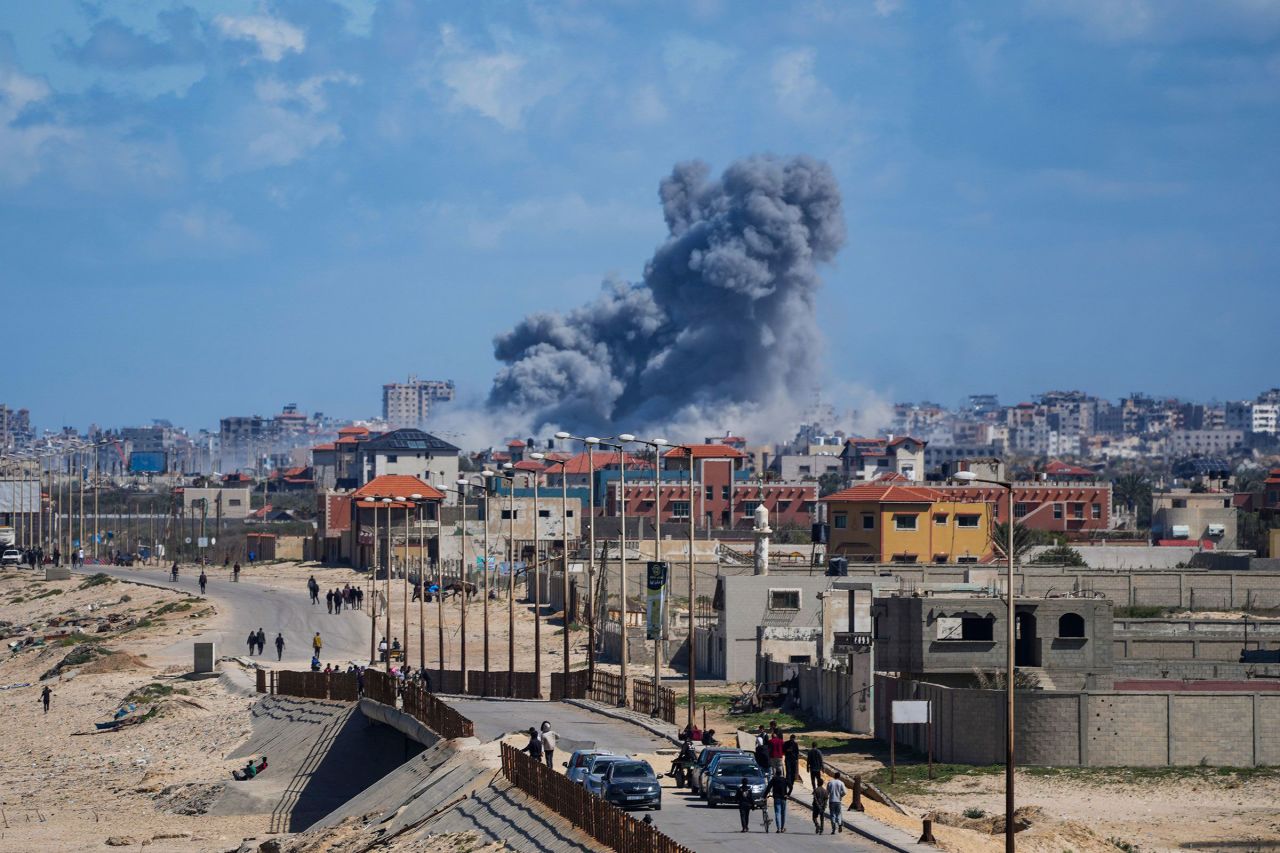
The path toward a sustainable ceasefire in Gaza feels more like a mirage with every passing day. On Wednesday, at least 10 people were killed in a series of targeted Israeli airstrikes. These events don't just add to a staggering death toll that has now surpassed 73,000. They actively dismantle the trust required to keep negotiations alive.
If you've been following the situation closely, you know the cycle. International envoys visit the region to push for a drawdown, yet the tactical reality on the ground continues to escalate. Just this week, U.S. negotiators reportedly pressed Israel to reduce the intensity of its operations. The response from the ground was immediate and devastating.
The Cost of Targeted Operations
The Israeli military maintains that these strikes are strictly operational. They argue that Wednesday’s actions specifically targeted Hamas commanders involved in the October 7, 2023, attacks or those currently planning new maneuvers against Israeli troops. One strike occurred in Nuseirat, hitting a Hamas company commander, while another slammed into a police station in Gaza City.
From the military’s perspective, this is a security necessity. They claim these individuals pose an imminent threat that cannot be ignored even during ceasefire discussions. But for those caught in the blast radius, the distinction between a "targeted militant" and a civilian is often nonexistent. The strike on the Gaza City police station alone reportedly killed nine people, including a 13-year-old girl.
You don't have to be a military analyst to see the problem here. When you strike crowded areas—whether a police headquarters or a seaside cafe—collateral damage isn't just a possibility; it's a statistical certainty.
Why Negotiations Are Stalling
Hamas hasn't remained quiet. They’ve condemned the strikes as a "new war crime," pointing to them as proof that Israel has no intention of honoring ceasefire agreements. It’s a rhetoric that plays well with their base, but it also creates a convenient off-ramp for those who want the talks to fail.
Meanwhile, U.S. envoy Jared Kushner’s recent push for a drawdown was met with a clear rejection from Prime Minister Benjamin Netanyahu. When the political leadership ignores its strongest allies, the diplomatic pressure effectively evaporates. The result is a stalemate where the only things moving are the casualty numbers.
The Reality Beyond the Headlines
It’s easy to get lost in the back-and-forth between official statements. Israel says they are removing threats. Hamas says they are victims of occupation. But let’s look at what this actually means for the average person living in the Gaza Strip.
- Displacement is constant: Most of the two million residents have been displaced multiple times, living in makeshift tents that offer zero protection from aerial bombardment.
- Infrastructure is gutted: Strikes on public facilities like police stations—which often serve as de facto civil centers—deepen the chaos.
- The psychological toll: When children are being killed in cafes or while waiting for water, the trauma becomes generational.
The technical "ceasefire" that has been in place for months has failed to stop these sporadic, lethal bursts of violence. We are seeing a pattern where tactical military gains are being prioritized over the strategic necessity of a lasting peace.
If you're looking for signs of a turnaround, don't hold your breath. The current working groups in Cairo are struggling to move past the initial phases of discussion, hampered by disagreements over disarmament and international oversight. Until the actors on both sides decide that a political deal is worth more than the tactical satisfaction of a drone strike, the violence will keep forcing its way into the daily lives of those trapped in the middle.
There isn't a quick fix for a conflict that has calcified over nearly three years. The next step, however, is clear: international pressure must shift from polite requests for a drawdown to enforceable conditions that carry real weight for both parties. Without that, the headlines about the "latest 10" will just become the headlines for next week, and the week after that.
Israel’s war on Gaza: A targeted strike or an escalation?
This video provides a concise overview of the recent military tactics used by Israeli forces in Gaza and the subsequent impact on ongoing ceasefire negotiations.
http://googleusercontent.com/youtube_content/1