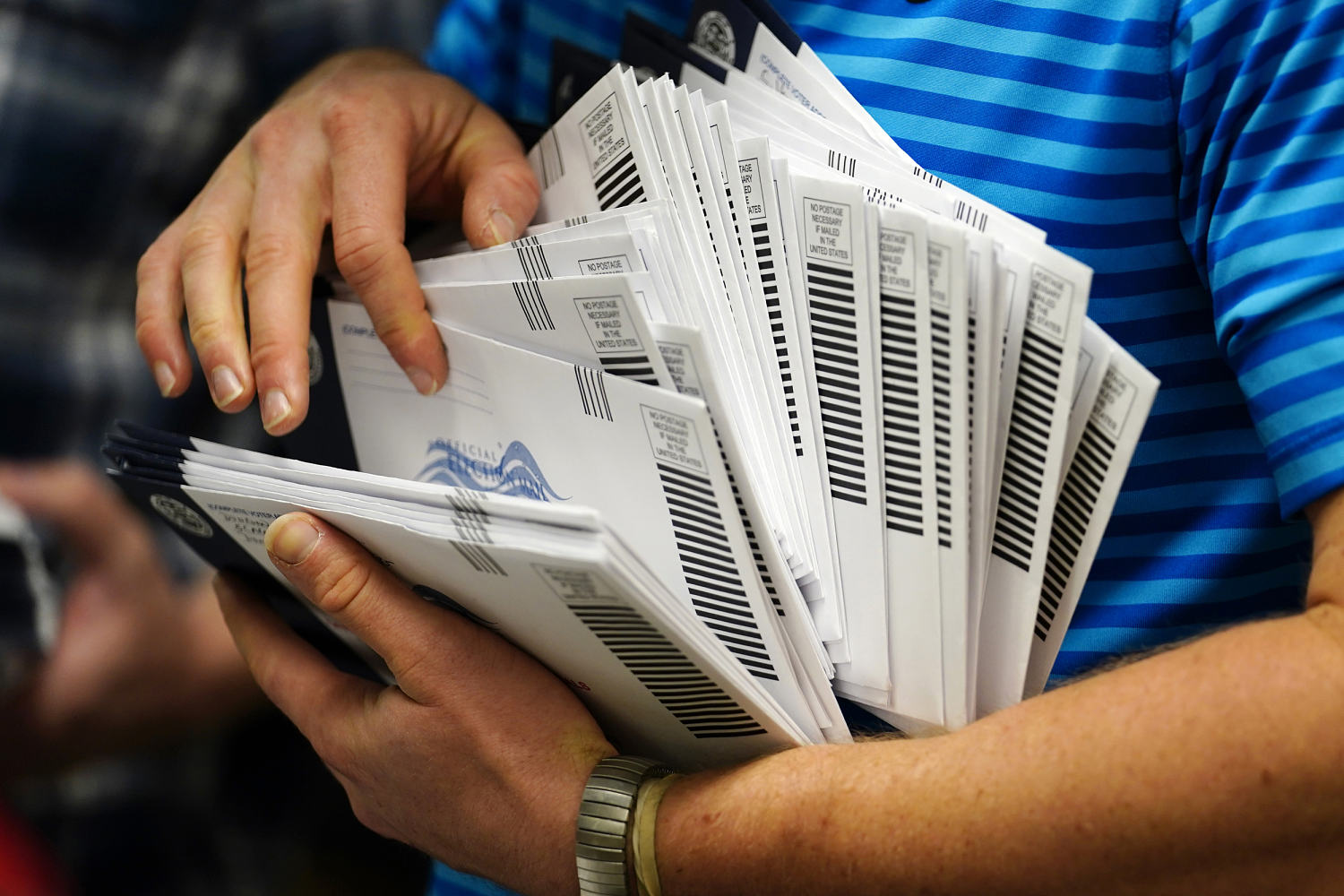
The legal war over how Americans cast their ballots just hit a frantic new gear. U.S. District Judge Indira Talwani extended a major block stopping the Trump administration from forcing the U.S. Postal Service to overhaul mail-in voting rules. This isn't just standard courtroom posturing. Ballots are literally heading out the door right now, with North Carolina dispatching its first wave.
If you've been trying to follow the ping-pong match between federal judges, the Supreme Court, and various state capitals, it's easy to get whiplash. Let's break down what's actually happening, why election officials are sweating bullets, and what this means for your autumn plans.
The Battle Lines Behind the Executive Order
Back in March, President Donald Trump signed an executive order aimed at tightly regulating mail-in ballots. The core argument from the administration centers on voter eligibility. Proponents of the restrictions argue that tighter oversight and specific screening measures are necessary to secure elections.
Civil rights groups, the League of Women Voters, and a coalition of Democratic attorneys general saw it differently from day one. They sued, claiming the order oversteps federal authority and tramples on states' constitutional rights to run elections. Judge Talwani agreed, issuing an injunction that prevents the Postal Service from refusing to deliver ballots based on non-compliance with the administration's new criteria.
The administration argues that pausing the rules causes irreparable harm, prompting emergency appeals to the Supreme Court. Yet, the logistics on the ground tell a brutal story.
Why Election Administrators Say Compliance is Impossible
Running an election is basically a massive supply chain challenge that takes months of meticulous planning. Local election boards print envelopes, calibrate tabulators, and test databases long before anyone fills in a bubble.
When the Postal Service introduces new mailing requirements, barcode mandates, and citizen list-matching rules at the eleventh hour, local offices face an impossible crunch. Changing envelope designs or matching databases across thousands of independent jurisdictions takes time.
Many local officials noted that even if the administration wins every single appeal, there physically aren't enough hours left on the calendar to implement the changes before millions of votes are cast. North Carolina already started mailing its ballots, and other states are right behind them. Throwing a wrench into the postal network while packets are actively in transit invites absolute chaos.
What Happens Next in the Courts
This legal saga is far from over. The Justice Department and administration lawyers are pushing hard, and the issue could easily bounce back up to the Supreme Court.
For now, though, Talwani's preliminary injunction holds firm. Millions of voters relying on postal delivery have temporary clarity as the midterms approach. If you plan on voting by mail, keep an eye on local deadlines and updates from your county election office, because the legal landscape can shift overnight.