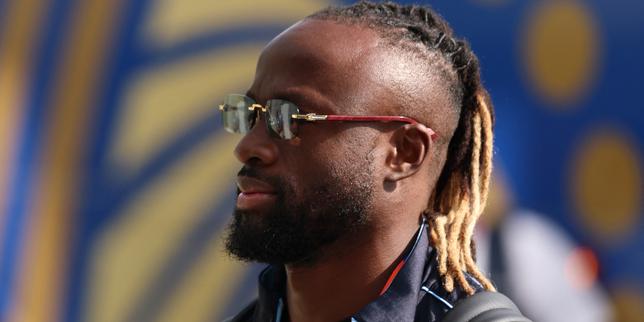
Formula One is sliding into an era of extreme consolidation. When Lando Norris committed his long-term future to McLaren through the end of 2030, it was more than a routine contract renewal for the reigning world champion. It slammed the door on a driver market that once defined the winter gossip columns.
Long-term mega-deals are rewriting how teams secure their assets. Norris joins Max Verstappen on a very short list of drivers locked into single-team fortresses for the remainder of the decade. This trend changes the strategic chessboard of Grand Prix racing. Learn more on a related subject: this related article.
The Anatomy of a Woking Fortress
The announcement came without warning during a family open day at the McLaren Technology Centre in Woking. Norris strolled out, confirmed he had signed on the dotted line, and was promptly gifted an MCL39 chassis from his 2025 championship campaign. It was a theatrical touch for an organization that has spent the last several years clawing its way back from the midfield abyss.
Under the stewardship of Zak Brown and Andrea Stella, McLaren built an environment where their star driver felt zero temptation to look elsewhere. Norris admitted that while rival outfits came knocking, his door remained bolted. Additional reporting by NBC Sports highlights related views on the subject.
"There was interest from other teams, but there was no interest from me towards other teams," Norris noted.
That sentence dismantles the modern myth of the mercenary driver. In previous decades, a reigning world champion would use the media to flirt with Ferrari or Mercedes, driving up their market value in a high-stakes game of corporate poker. Norris bypassed the theatre entirely. Having entered over 160 races exclusively in papaya, he is betting his prime years on institutional continuity rather than chasing the shiniest badge on the grid.
The Financial Reality Behind the Headlines
Tabloid reports immediately threw around eye-watering figures, suggesting an annual payday close to the legendary retainers commanded by Lewis Hamilton and Max Verstappen. Norris was quick to deflate those rumors with dry pragmatism.
He acknowledged that his salary sits below the sport's top earners, justifying the discrepancy through career achievements.
- Max Verstappen: Locked with Red Bull into the 2030s on an elite-tier package.
- Lewis Hamilton: Commanding premium capital at Ferrari.
- Lando Norris: Positioning himself just below the tier-one ceiling, with performance escalators built in.
This wage structure reflects a calculated compromise. Norris trades absolute peak financial extortion for total technical alignment. He knows that tying up thirty million pounds a year per driver leaves a team with less headroom for wind tunnel development under the budget cap. By keeping his arrangement sustainable, he preserves the very resources required to keep the car competitive.
The Closing Window for Driver Movement
The broader paddock impact of this signing cannot be overstated. With Verstappen and Norris both anchored until 2030, the traditional musical chairs of Formula One free agency are effectively frozen. Ambitious youngsters climbing through the feeder series now face a grid choked by long-term structural contracts.
Teams no longer want the volatility of short-term relationships. Technical regulations shift dramatically, and car development requires multi-year feedback loops. A driver who understands the specific simulation quirks, steering loads, and differential maps of a Woking chassis is worth infinitely more than a faster rookie who needs twelve months just to adapt to the engineering language.
Norris sits fourth in the current standings, chasing down Mercedes driver Kimi Antonelli. The 2026 campaign has not been a straightforward coronation. McLaren has battled well-documented gremlins in slow-speed corners, proving that the car is still an evolving project rather than an unbeatable rocket ship.
Yet, this contract proves that faith in a multi-year project trumps the knee-jerk panic of a single developmental slump. Norris lived through the painful seasons when McLaren fought to escape the lower half of the top ten. He remembers the DNFs, the botched strategies, and the endless factory hours.
Stability is the rarest commodity in elite motorsport. By tying his fortunes to the team that nurtured him from his simulator days, Norris is betting that the institutional muscle memory built during those lean years will outlast any temporary technical deficit.
The rest of the grid has until the end of the decade to figure out how to break the papaya wall.