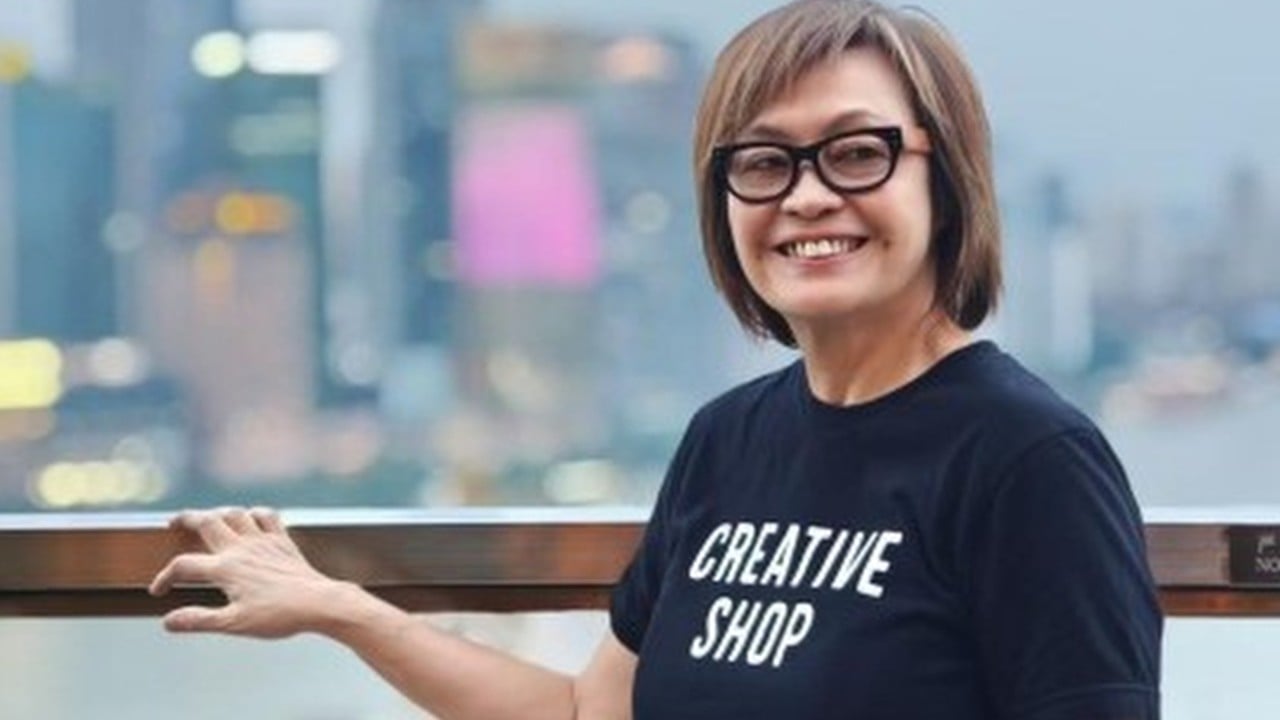
The advertising world lost one of its absolute heavyweights when Kitty Lun Kit-ying passed away at 71. If you only know her from standard industry obituaries calling her the queen of public service advertising, you are missing the point. She didn't just win awards. She shaped how generations of consumers in Hong Kong, Taiwan, and mainland China thought about integrity, social responsibility, and creative leadership.
Her sudden death following a swimming incident at a Fo Tan residential pool sent immediate shockwaves through global creative circles. Tributes poured in from former colleagues, international award bodies, and protégés. They weren't just standard corporate grief posts. They were raw acknowledgments of a mentor who outworked, out-thought, and out-classed almost everyone in the room.
Building a Career Without Compromise
Born and educated in Hong Kong before earning her master's degree in advertising from Syracuse University, Lun started her journey as a copywriter at Leo Burnett. That foundation mattered. She understood the power of a single sentence long before algorithms began dictating digital content strategies. From there, she climbed through executive creative director roles at McCann-Erickson and Euro RSCG, proving that creative brilliance and fierce business acumen could actually coexist.
Most agency chiefs protect their billables and play it safe. Lun went the other way. When she took the helm as chairman and CEO of Lowe China in 2006, the agency was struggling. She didn't just rebuild it; she turned it into a powerhouse. By 2014 and 2015, Lowe China was the most awarded agency in the country, sweeping international festivals and capturing global attention with campaigns like the Cannes Gold-winning Human Traffic Sign project. She demanded high standards because she knew her teams were capable of them.
The Mind Behind Hong Kong's Conscience
You cannot talk about public service advertising in Hong Kong without running straight into Kitty Lun's footprint. During the 1990s, she earned the title of the mother of public service advertising by tackling topics most marketers wouldn't touch.
Her work for the Independent Commission Against Corruption didn't rely on dry lectures. She used brilliant, surreal scenarios—like claiming a black screen was white or describing a contaminated cup of water as clean—to expose the absurd logic of rationalizing corruption. For the government's youth crime prevention drive, her "Life Has No Take 2" campaign resonated deeply with teenagers because it spoke their language without talking down to them.
She cared about the truth. Just months before her passing, during a commencement address at Hong Kong Baptist University's School of Communication, she gave a warning about relying too heavily on artificial intelligence. She used AI daily, but she knew its limits. She reminded graduates that an algorithm cannot walk down the streets of Mong Kok, sit with drug addicts, or listen to the desperate realities of marginalized youth. Real empathy cannot be prompted into existence.
Bridging Traditional Agencies and Big Tech
Instead of retiring when traditional agency models shifted, Lun made a bold pivot in 2016. She joined Facebook—now Meta—as the head of Creative Shop for Greater China. Moving from a legacy agency network into platform-side tech requires a specific kind of mental flexibility. Most senior executives resist that kind of disruption. Lun embraced it, scaling creative standards for mobile platforms and later taking on regional responsibilities across Southeast Asia.
She documented her philosophy early in her 2013 book, Advertising Without Lipstick, stripping away the superficial gloss of the industry to focus on grit, talent, and hard work. She pushed for gender balance in creative leadership long before it became a standard corporate checklist item, hosting the groundbreaking Cannes Lions forum "Beyond Mad Men" in 2011.
The industry will miss her sharp critique, her infectious energy, and her refusal to accept mediocre work. If you want to honor her legacy, stop leaning entirely on automated tools for your creative strategy, step away from your desk, and actually talk to people.