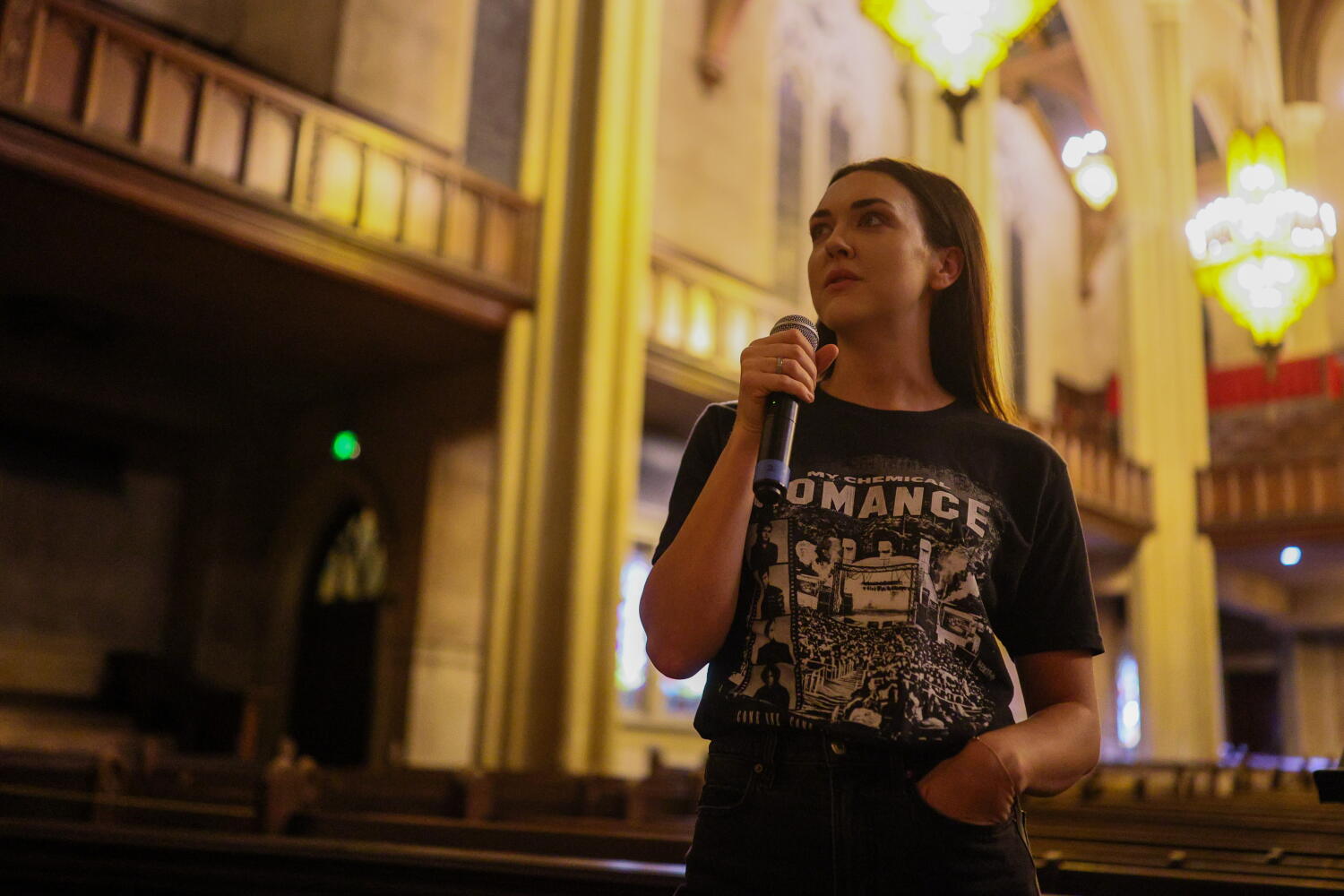
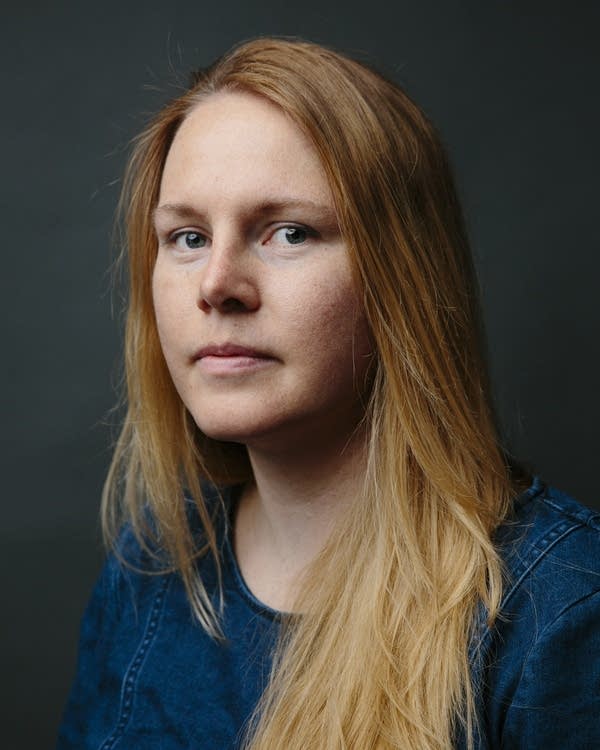
Finishing a 284-page novel is not a career pivot for a veteran utility comedian; it is a structural hedge against the volatility of episodic work. Profiles of Kirk Fox around the release of his debut dirtbag-noir novel Palmdale and his return to Sterlin Harjo's television series The Lowdown tend to frame his trajectory as a quirky, serendipitous string of anecdotes—teaching tennis in affluent Los Angeles neighborhoods, stumbling into stand-up and character acting, and finally completing a book that proves he can finish a long-form project. That narrative is charming, yet it treats three distinct disciplines as separate lucky breaks rather than examining how labor, status, and narrative friction transfer across them.
A more rigorous way to read Fox's career is through portfolio diversification under high income variance. Stand-up comedy, recurring or guest television roles, and long-form fiction each carry a different ratio of upfront time investment to delayed or lumpy payout. When a performer relies heavily on auditions, room-to-room stand-up sets, and seasonal casting cycles, creative output can easily fragment into high-frequency, low-permanence units: a ten-minute set, a day-player scene, a podcast appearance. Completing a novel alters that cost structure by forcing sustained, self-directed execution where no casting director, showrunner, or live crowd supplies immediate validation.
Deconstructing the Standard Profile Logic
Conventional entertainment profiles built around a quote like "I've worked hard to get where I'm not" rely on an underdog-to-multihyphenate arc. In that familiar framing, self-deprecation does heavy lifting: the subject insists they lacked a master plan or natural genius, yet somehow accumulated credits across stand-up, sitcoms, prestige television, film, and now crime fiction.
That framing leaves three analytical gaps:
- Conflating luck with access mechanics: Calling a career accidental obscures how informal social ties and service roles operate inside entertainment hubs like Los Angeles. Teaching tennis in places like Beverly Hills or Bel Air puts an instructor inside private spaces with people who hold creative or financial capital, creating proximity even when formal industry access is uneven.
- Treating completion as a purely psychological milestone: Saying that finishing a book builds self-belief captures the emotional payoff, not the operational shift. Long-form writing requires batching effort over months without market feedback, which trains a different executive muscle than rapid-iteration stand-up or on-set improvisation.
- Ignoring genre fit: Choosing "dirtbag noir" set in the high desert around Palmdale is not an arbitrary stylistic whim for a comic actor known for abrasive, flawed, or slightly unhinged characters. Crime fiction rewards moral compromise, sharp dialogue, and dark irony—precisely the tonal territory where a seasoned character comic already operates with high fluency.
The Three Pillars of a Utility Performer's Output
To understand why a working comic writes a gritty father-daughter detective novel rather than a conventional memoir or inspirational guide, it helps to separate the mechanics into three pillars: Proximity Capital, Iteration Cadence, and Tonal Arbitrage.
Proximity Capital and Weak-Tie Bridges
In project-based industries, careers rarely advance along a straight ladder. Instead, they move through weak ties and adjacent service transactions—contexts where two people interact regularly without a formal hiring contract on the table. When a tennis instructor works with writers, directors, or industry figures, the transaction is ostensibly physical skill instruction, not pitching or networking. Yet repeated one-on-one contact builds familiarity and lowers social friction.
This is a known mechanism in labor economics and creative-industry sociology, though it is an educated hypothesis to claim how much of Fox's specific television or film work stemmed from court-side relationships versus traditional representation and auditions. What is clear structurally is that adjacent activities reduce the isolation of waiting for phone calls while keeping a performer embedded in active social loops.
Iteration Cadence Across Mediums
Stand-up comedy operates on high-frequency feedback loops. A comic tests a premise on stage, observes audience timing immediately, trims dead weight, and adjusts delivery night after night. Acting on a television set sits in the middle: preparation is often compressed, collaboration is collective, and a scene must serve the director's edit and the show's broader arc.
Novel writing flips the cadence entirely. A 284-page book demands low-frequency, high-cumulative output. A chapter written in week two might not pay off until page two hundred, and there is no live room telling the writer whether a subplot sags. For a performer accustomed to immediate room dynamics, finishing a manuscript tests endurance and structural planning rather than quick-wittedness.
Tonal Arbitrage Between Comedy and Noir
Comedy and noir share a structural secret: both depend on expectation disruption and moral friction. Hardboiled and noir crime stories traditionally lean on bleakness, cynicism, and fatalism. When a comic writer injects grime, absurdity, and bruised interpersonal dynamics—such as a flawed father and his sharp, skeptical daughter crossing paths on a messy high-desert case—the result is tonal arbitrage.
Instead of competing head-on with straight-faced procedural thrillers on grimness alone, the writer uses humor to keep bleakness readable and uses noir stakes to give comedic defects real consequences. The risk of this approach is tonal whiplash: if jokes undercut danger too cheaply, suspense collapses; if the crime plot becomes too grim, the comedic voice feels bolted on.
Cause-and-Effect Chains Conventional Profiles Miss
Profiles often list credits in sequence—stand-up, television roles, podcast appearances, a novel, another season of a series—as if time itself were the cause of progression. Looking at cause and effect reveals tighter trade-offs.
First, high visibility in character roles creates both recognition and typecasting pressure. Memorable supporting turns in recognizable shows give an audience an instant handle on a performer's energy. At the same time, casting departments often anchor on the exact persona that worked previously. Writing original prose gives a performer authorship control over voice, pacing, and character interiority that a supporting acting credit rarely grants.
Second, self-directed writing competes directly with income-generating gig work. Every hour spent outlining chapters, revising prose, or editing scenes is an hour not spent traveling for live sets, taking meetings, or chasing near-term acting opportunities. That trade-off explains why many working comedians talk about writing a book for years without finishing one: the opportunity cost is real, and the financial return on a debut novel is uncertain.
Third, cross-media visibility reinforces itself only when quality holds up. Appearing on television or podcasts can bring curious readers to a book launch, and publishing a novel gives interviewers a fresh angle beyond standard career recaps. Yet curiosity clicks only convert into sustained readership if the prose delivers narrative momentum on its own terms.
Tactical Playbook for Multihyphenate Creatives
For writers, actors, and comedians trying to expand from short-form or episodic work into long-form projects without stalling out, the underlying mechanics translate into a concrete sequence:
- Audit your feedback lag before starting. Identify whether your primary craft rewards fast external feedback (live sets, short sketches, client sprints) and design a weekly quota for your slow-feedback project so silence does not stall momentum.
- Anchor the setting and premise in lived friction. Choose an environment and interpersonal dynamic whose tensions you already understand intuitively—such as mismatched partners, generational friction, or marginal settings—rather than chasing a trendy subgenre you find tedious.
- Protect unbilled deep-work blocks. Schedule fixed calendar windows for drafting and revision before filling the week with promotional chatter, casual favors, or low-leverage tasks.
- Calibrate tone at the scene level. Check whether humor relieves tension earned by the plot or merely deflects from stakes that have not been established yet.
- Sequence promotion around concrete release milestones. Tie public appearances and interviews to tangible deliverables—a finished manuscript, a release date, a returning screen project—rather than vague declarations of intent.
Limitations and Failure Modes
No career framework removes risk in creative markets. Even disciplined execution cannot guarantee commercial breakout success in publishing or television, where distribution algorithms, timing, festival or platform appetites, and sheer luck still shape outcomes. A performer who leans too heavily into solo writing can also lose sharp stage or on-set instincts if live reps drop off for too long. Conversely, a creator who treats a side project as a cure-all for industry frustration often burns out before reaching a finished draft.
The sharpest strategic move for a seasoned performer-writer is to treat long-form work as permanent intellectual property built alongside active performance reps, using live and screen work to fund and sustain life while using authored fiction to own a distinct creative voice over the long term.