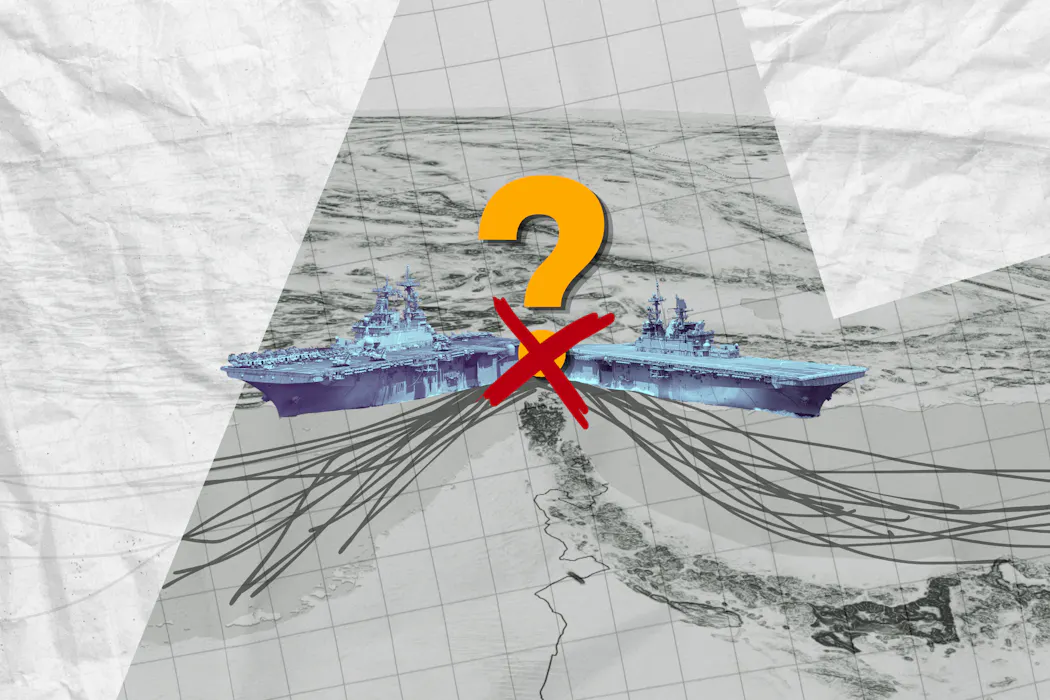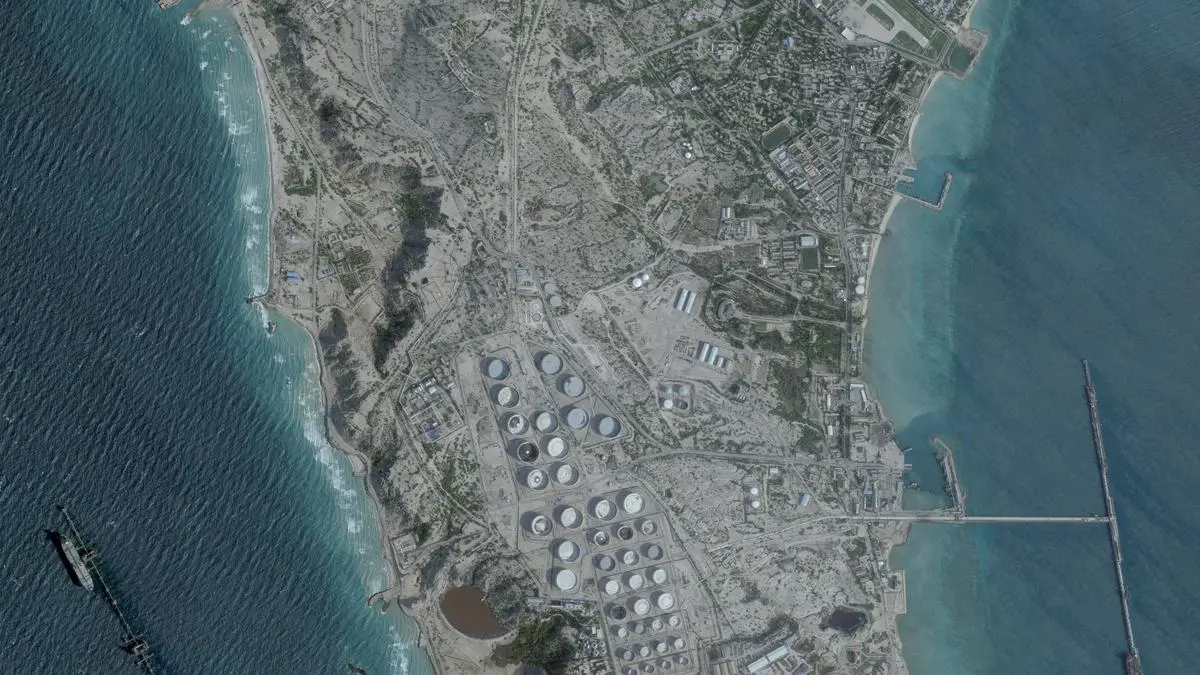
Kharg Island is the single point of failure for the Iranian economy, facilitating approximately 90% of the nation’s crude oil exports. To understand the strategic calculus of the United States under a Trump administration, one must view this 20-square-kilometer limestone island not as a mere geographic feature, but as a critical node in a high-stakes energy logistics system. Disruption here does not just impact Iran; it recalibrates the global Brent crude pricing floor and shifts the leverage of the "OPEC Plus" alliance. The fundamental vulnerability of Iranian state power lies in the high concentration of infrastructure within a localized, defensible but targetable maritime zone.
The Infrastructure of Dependence
The operational capability of Kharg Island is defined by two primary loading terminals: the T-Jetty on the eastern side and the Sea Island on the western side. The T-Jetty is a wooden and steel structure capable of docking tankers up to 275,000 deadweight tonnage (DWT). The Sea Island, conversely, is designed for Very Large Crude Carriers (VLCCs) up to 500,000 DWT. Learn more on a related issue: this related article.
The logistical flow follows a rigid path: crude oil travels via three 42-inch and one 52-inch undersea pipelines from the mainland (specifically from the Ganaveh pumping station) to the island’s massive tank farm. This farm holds a storage capacity of roughly 28 million barrels. The "Three Pillars of Kharg's Dominance" are:
- Depth Advantage: The natural deep-water anchorage allows the world’s largest tankers to dock without the need for offshore single-point mooring (SPM) systems, which are slower and more weather-dependent.
- Storage Buffer: The 28-million-barrel capacity acts as a shock absorber for production fluctuations or brief maritime delays.
- Gravity-Fed Loading: The elevation of the storage tanks allows for rapid, gravity-assisted loading of tankers, minimizing the electricity required for high-volume pumps.
If these pillars are compromised, Iran lacks a viable immediate alternative. The Jask terminal, located outside the Strait of Hormuz, remains limited by infrastructure constraints and lacks the throughput capacity to replace Kharg. Further analysis by TIME explores comparable views on this issue.
The Cost Function of Disruption
A "maximum pressure" strategy under a Trump administration focuses on the economic cost function of Iranian exports. The objective is to drive the "netback" price—the revenue Iran receives after shipping, insurance, and "sanction-evasion" discounts—to a level below the cost of production.
Disrupting Kharg Island increases this cost function through three specific mechanisms:
1. Insurance Risk Premia
Maritime insurance is predicated on risk assessment. Even without a kinetic strike, the mere credible threat of an embargo or blockade at Kharg forces "dark fleet" operators to demand higher premiums. When the perceived risk of vessel seizure or damage increases, the pool of available tankers shrinks. This scarcity allows remaining shipowners to charge a "sanction premium," which Iran must absorb by lowering its base crude price to remain competitive for Chinese independent refiners (Teapots).
2. Physical Throughput Constraints
A kinetic or cyber-electronic disruption of the Ganaveh pumping station—the mainland heart that feeds Kharg—would render the island’s storage tanks useless. Without a continuous feed, the 28-million-barrel buffer would be exhausted in approximately 15 to 20 days at current export levels. This creates a hard ceiling on how long Iran can maintain its primary revenue stream during a period of heightened tension.
3. Diplomatic Leverage of the Spare Capacity
The effectiveness of a strategy targeting Kharg depends on the global supply-demand balance. In a market with high spare capacity (primarily held by Saudi Arabia and the UAE), the U.S. can aggressively target Iranian exports without triggering a global inflationary spiral. The Trump administration’s strategy hinges on the "Spare Capacity Offset." If the Gulf allies agree to fill the supply gap created by a Kharg disruption, the inflationary pressure on U.S. gasoline prices is mitigated, removing the domestic political barrier to aggressive action.
The Shadow Fleet and Sanction Evasion Logistics
Analyzing Kharg Island requires an understanding of the Ship-to-Ship (STS) transfer economy. Much of the oil loaded at Kharg does not travel directly to its final destination under an Iranian flag. Instead, it involves a complex sequence of obfuscation:
- AIS Disabling: Tankers turn off their Automated Identification Systems (AIS) "going dark" as they approach Kharg.
- Spoofing: Vessels transmit false GPS coordinates to appear as if they are in neutral waters while they are actually at the Sea Island terminal.
- Identity Re-branding: Oil is transferred to secondary vessels in the Malacca Strait or off the coast of Fujairah, often being rebranded as "Malaysian" or "Omani" blend.
A renewed Trump strategy would likely target the financial intermediaries and the "technical managers" of these shadow vessels. By blacklisting the entities providing Class Society certification and P&I (Protection and Indemnity) insurance to these specific ships, the U.S. can effectively "ground" the fleet that services Kharg Island.
Kinetic vs. Economic Interdiction
There is a distinct difference between "interdiction" and "destruction." The strategic goal is rarely the total physical demolition of the Kharg tank farm, which would cause an ecological catastrophe in the Persian Gulf and likely trigger a direct military escalation. Instead, the strategy focuses on "Functional Neutralization."
Functional neutralization involves targeting the peripheral but essential components:
- Loading Arms: The specialized articulated pipes that connect the pier to the ship. These are precision-engineered items that Iran cannot easily manufacture or replace under sanctions.
- Power Generation: The island requires significant localized power to operate the valves, fire suppression systems, and light-crude blending facilities.
- Undersea Pipeline Nodes: Small, localized disruptions to the pipelines connecting Ganaveh to Kharg are easier to execute and harder to repair than broad aerial bombardments of the tank farm.
The Strait of Hormuz Counter-Leverage
Iran’s primary counter-move to pressure on Kharg Island is the threat to close the Strait of Hormuz. However, this is a "suicide lever." Closing the Strait would halt not only the exports of Iran's enemies but also its own remaining trade. Furthermore, it would alienate China—Iran’s largest customer—by disrupting Chinese energy security.
The strategic reality is that Kharg Island is more of a hostage than a fortress. It is a fixed, immovable asset in a region where the U.S. and its allies possess superior maritime and aerial surveillance. The "Geography of Vulnerability" dictates that as long as 90% of Iran's revenue flows through a single point, the U.S. maintains the upper hand in escalation dominance.
Algorithmic Sanctions and the New Economic Warfare
The next phase of strategy involves "Algorithmic Sanctions." Rather than broad-brush embargoes, the U.S. Treasury can use real-time satellite imagery and AI-driven maritime tracking to identify every vessel docking at Kharg within minutes. By integrating this data with the global SWIFT banking system, the U.S. can issue "flash sanctions" against any entity involved in a transaction within 24 hours of the oil being loaded. This reduces the reaction time for sanction evaders, making the "Kharg route" increasingly unviable for all but the most risk-tolerant actors.
The technical bottleneck at Kharg is exacerbated by aging infrastructure. Decades of sanctions have prevented Iran from accessing the latest corrosion-resistant alloys and automated control systems from Western firms like Honeywell or Siemens. The system is operating at a high level of "Mechanical Stress," meaning even minor disruptions can lead to cascading systemic failures.
Tactical Playbook for Energy Hegemony
To execute a successful containment of Iranian influence, the strategic focus must shift from the oil itself to the "Logistics of Export."
- Target the Ganaveh-Kharg Link: Focus on the mainland pumping stations. Without the mainland feed, the island is a static museum of oil.
- Neutralize the Shadow Fleet Managers: Move beyond the ship owners to the technical managers and insurers based in jurisdictions like the UAE, Singapore, and Panama.
- Coordinate with Asian Refiners: Offer "Security of Supply" guarantees to Indian and Chinese independent refiners, providing them with subsidized alternatives to Iranian heavy crude to incentivize a pivot away from Kharg-loaded oil.
The endgame is not a single "game-changing" event, but a steady increase in the "Friction Coefficient" of Iranian trade. By making every barrel loaded at Kharg more expensive, more dangerous, and more difficult to sell, the U.S. effectively de-finances the Iranian state's regional ambitions without firing a shot. The island, once the crown jewel of the Pahlavi-era modernization, has become the primary tether through which the West exerts its will.
Would you like me to analyze the specific throughput capacity of the Jask terminal to determine if it could realistically serve as a "Plan B" for the Iranian energy ministry?